Maintaining clean air ducts is essential for healthy indoor air quality and efficient HVAC system performance. One of the most effective modern solutions for reducing contaminants is the use of UV light and microbial growth prevention technology. This approach targets harmful microorganisms such as mold, bacteria, and viruses that often thrive inside ductwork, especially in humid or poorly ventilated environments.
Microbial buildup in air ducts can lead to unpleasant odors, reduced airflow, and even health issues for building occupants. By integrating ultraviolet (UV) light systems into HVAC setups, property owners can significantly reduce these risks and enjoy cleaner, safer air. This article explores how UV technology works, its benefits, installation considerations, and how it compares to other air purification methods.
For those interested in broader strategies, our air duct mold prevention tips provide additional insights into keeping your HVAC system free from contaminants.
Understanding Microbial Growth in HVAC Ductwork
Air ducts provide a dark, moist environment that can become a breeding ground for various microorganisms. Mold spores, bacteria, and even viruses can settle and multiply on duct surfaces, especially if there is condensation or leaks. Over time, these contaminants can be distributed throughout the building whenever the HVAC system operates.
Common signs of microbial contamination include musty odors, visible mold around vents, and increased allergy symptoms among occupants. Left unchecked, these issues can compromise both comfort and health, making proactive prevention a priority for homeowners and facility managers alike.
How UV Light Technology Inhibits Microbial Growth
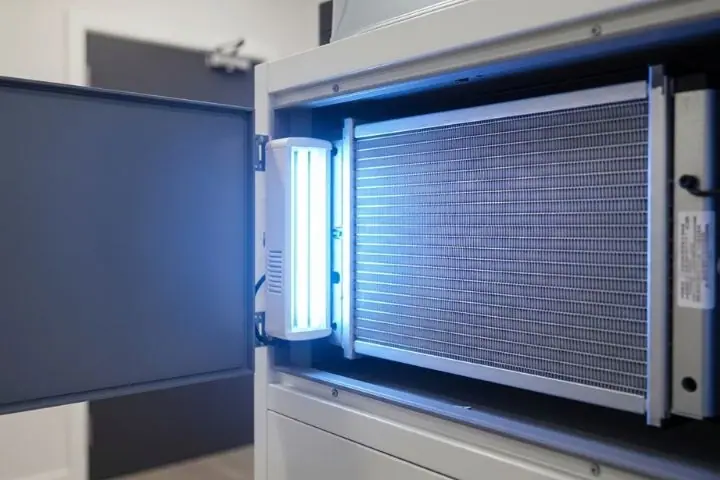
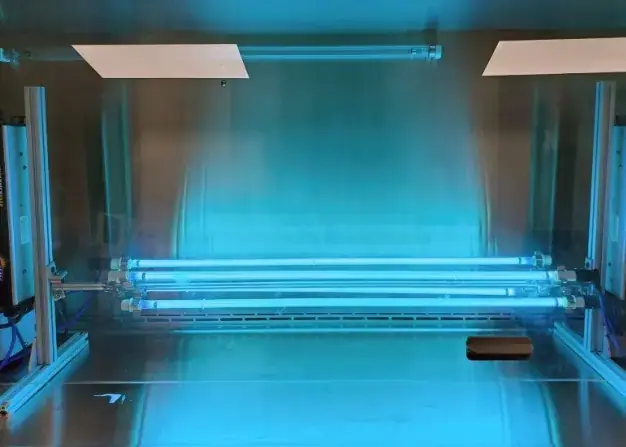
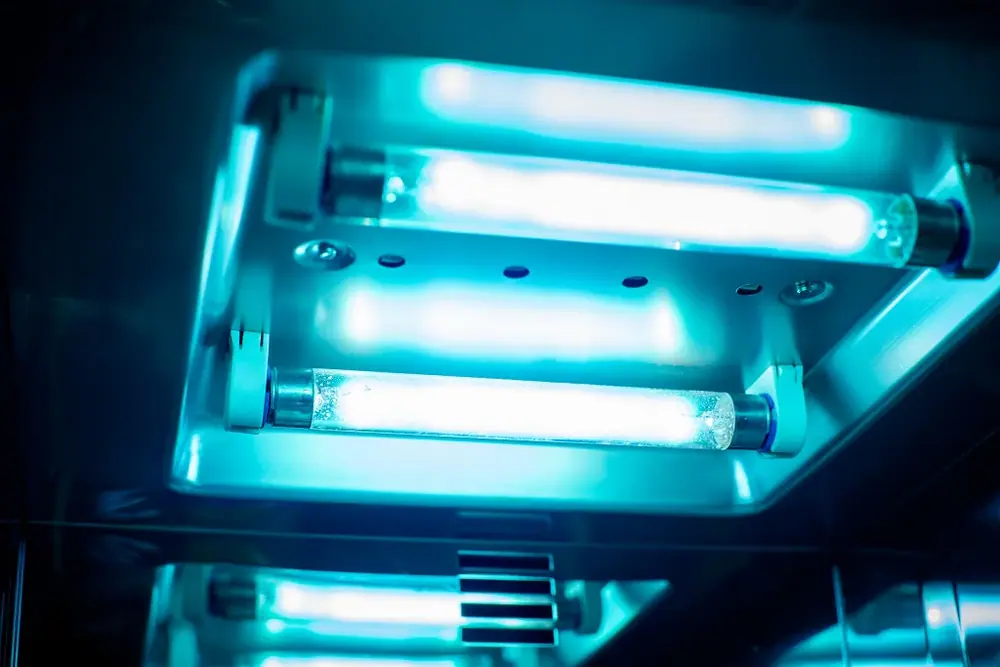
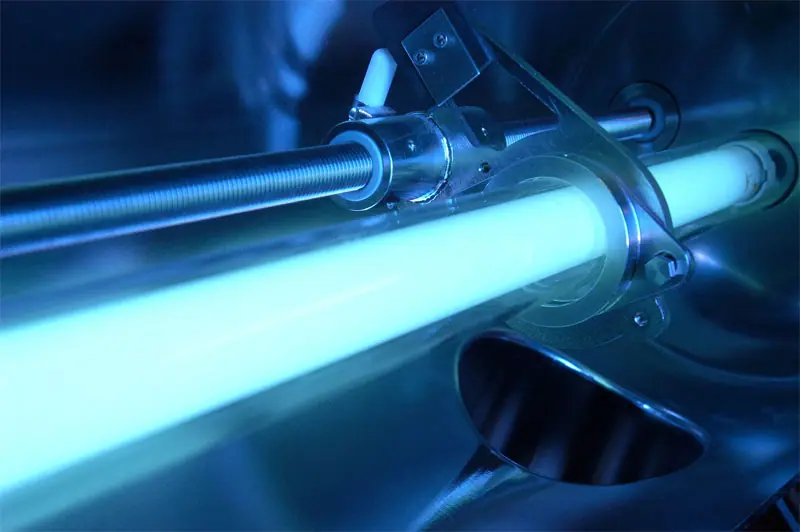
Ultraviolet germicidal irradiation (UVGI) uses short-wavelength UV-C light to disrupt the DNA and RNA of microorganisms, rendering them unable to reproduce or cause harm. When installed inside air ducts or near HVAC coils, UV lamps continuously expose passing air and surfaces to germicidal light, effectively neutralizing mold, bacteria, and viruses.
This method is particularly effective because it works in real time, preventing microbes from establishing colonies within the ductwork. Unlike chemical cleaners, UV-C systems operate silently and require minimal maintenance once installed.
Benefits of Using UV Light for Air Duct Sanitation
Implementing UV light and microbial growth prevention systems in HVAC ducts offers several notable advantages:
- Continuous Disinfection: UV lamps work around the clock to keep duct interiors free of active microorganisms.
- Improved Indoor Air Quality: By reducing airborne pathogens, UV systems help create a healthier environment for occupants, especially those with allergies or respiratory issues.
- Odor Control: Neutralizing mold and bacteria helps eliminate musty or unpleasant smells that can circulate through the building.
- Lower Maintenance Needs: With fewer contaminants accumulating, HVAC filters and coils remain cleaner for longer, reducing the frequency of deep cleaning or repairs.
- Energy Efficiency: Clean ducts and coils allow air to flow more freely, helping the HVAC system operate at peak efficiency and potentially lowering energy costs.
For a closer look at how UV solutions address mold issues, see our guide on mold in air ducts and UV light solutions.
Comparing UV Systems to Other Air Purification Methods
While HEPA filters and electrostatic air cleaners are effective at capturing particulates, they do not actively neutralize living microbes. UV-C technology complements these methods by targeting what filters can’t catch—namely, bacteria, viruses, and mold spores that may settle on duct surfaces or pass through the system.
Combining filtration with UV disinfection provides a comprehensive approach to air quality management. For those considering which solution is best, our resource on the best UV light for HVAC mold control offers detailed comparisons and product recommendations.
Installation and Maintenance Considerations
Proper installation is crucial for maximizing the effectiveness of UV systems. Lamps should be placed where microbial growth is most likely, such as near cooling coils or within main duct trunks. Professional installation ensures correct positioning, electrical safety, and compliance with manufacturer guidelines.
Maintenance typically involves periodic cleaning of the lamp and replacement every 12–24 months, depending on usage and manufacturer recommendations. Regular inspections help ensure the system continues to operate at optimal germicidal strength.
When to Consider UV Light for Your Air Ducts
Not every building requires UV disinfection, but certain conditions make it especially beneficial. Properties with a history of mold problems, high humidity, or occupants with allergies or compromised immune systems are prime candidates. If you notice persistent odors, visible mold, or increased dust, it may be time to explore UV solutions. For more on this topic, check our article on signs you need UV light in air ducts.
UV technology is also a proactive choice for commercial spaces, healthcare facilities, and schools, where maintaining optimal air quality is critical for occupant well-being and regulatory compliance.
Additional Resources and Expert Insights
For a deeper understanding of the advantages and science behind UV air purification, the benefits of UV light air purifiers are well-documented by industry experts. Combining this knowledge with practical steps, such as regular duct cleaning and moisture control, ensures a comprehensive defense against indoor air contaminants.
It’s also important to address all sources of contamination. For a broader overview of what can accumulate in your ductwork and how to address it, see our article on common air duct contaminants.
Frequently Asked Questions
How effective is UV light at preventing microbial growth in air ducts?
UV-C lamps are highly effective at neutralizing a wide range of microorganisms, including mold, bacteria, and viruses. When installed and maintained properly, they can significantly reduce microbial buildup and help maintain cleaner air ducts over time.
Is UV light safe for use in residential HVAC systems?
Yes, when installed by professionals and operated according to manufacturer guidelines, UV systems are safe for use in homes and businesses. The lamps are contained within the ductwork or air handler, preventing direct exposure to occupants.
How often should UV lamps in air ducts be replaced?
Most manufacturers recommend replacing UV lamps every 12 to 24 months, depending on usage and environmental conditions. Regular inspections and cleaning will help maintain optimal performance and ensure continued microbial control.