Indoor air quality is a critical factor in maintaining a healthy and comfortable home. Over time, air ducts can accumulate a variety of pollutants that not only affect the efficiency of your HVAC system but also impact the air you breathe. Understanding the most common air duct contaminants and the best strategies for removing them is essential for anyone concerned about respiratory health, allergies, or system performance.
This guide explores the typical pollutants found in ductwork, how they get there, and proven solutions for keeping your air clean. Whether you’re a homeowner or a facility manager, learning about these issues can help you make informed decisions about maintenance and upgrades. For those specifically interested in advanced solutions, such as UV light technology, you can read more about uv light for hvac mold control to see how these systems can help prevent mold and other contaminants from circulating through your home.
Understanding What Builds Up in Your Ductwork
Air ducts are designed to move conditioned air throughout your space. However, as air circulates, it can carry a range of particles and biological agents that settle inside the ductwork. Over time, these accumulations can become a source of indoor air pollution, especially if left unchecked.
Some of the most common air duct contaminants include:
- Dust and debris: Everyday dust, pet dander, and household dirt are easily pulled into ducts and can build up quickly.
- Mold and mildew: Moisture in the system creates the perfect environment for mold spores and mildew to thrive, especially in humid climates or after water damage.
- Pollen: Seasonal pollen can enter homes through open windows and doors and get trapped in the ductwork.
- Bacteria and viruses: Microorganisms can circulate through the air system, potentially impacting health.
- Insect and rodent droppings: Pests sometimes find their way into ducts, leaving behind droppings and other contaminants.
- Fiberglass particles: In older duct systems, insulation breakdown can release small fibers into the air stream.
Identifying which pollutants are present in your system is the first step toward effective remediation. If you notice musty odors, visible dust around vents, or increased allergy symptoms, it may be time to inspect your ductwork.
Health and Comfort Risks from Duct Contaminants
Accumulated pollutants in your HVAC system can have a direct impact on both health and comfort. Common air duct contaminants like mold spores, dust mites, and bacteria are known triggers for allergies and asthma. Prolonged exposure to these particles can worsen respiratory conditions and contribute to chronic symptoms such as coughing, sneezing, and headaches.
Beyond health, contaminated ducts can also reduce system efficiency. Blockages or heavy buildup force your HVAC to work harder, leading to higher energy bills and increased wear on components. In severe cases, mold growth inside ducts can create persistent odors that are difficult to eliminate without professional intervention.
For those who suspect their system may be harboring hidden threats, learning about signs you need uv light in air ducts can help you recognize when it’s time to take action.
Effective Solutions for Removing Air Duct Pollutants
Once contaminants are identified, several strategies can be used to restore clean airflow and improve indoor air quality. The most effective approaches combine regular maintenance with modern technology.
Professional Duct Cleaning
One of the most direct ways to address buildup is through professional duct cleaning. Trained technicians use specialized equipment to dislodge and remove dust, debris, and biological growth from the entire system. This process is especially important after renovations, pest infestations, or water damage.
Upgrading Air Filtration
High-efficiency filters are designed to capture fine particles before they enter the ductwork. Upgrading to HEPA or electrostatic filters can significantly reduce the amount of dust, pollen, and other contaminants circulating in your home. Regularly replacing filters is a simple but effective step in maintaining air quality.
UV Light Technology for Mold and Germ Control
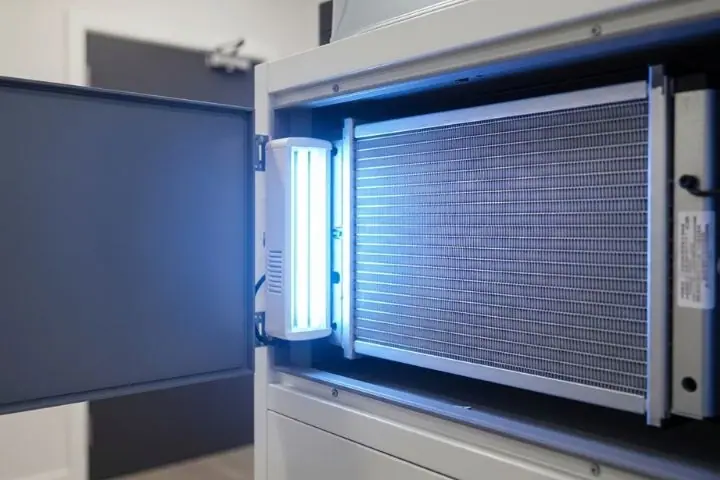
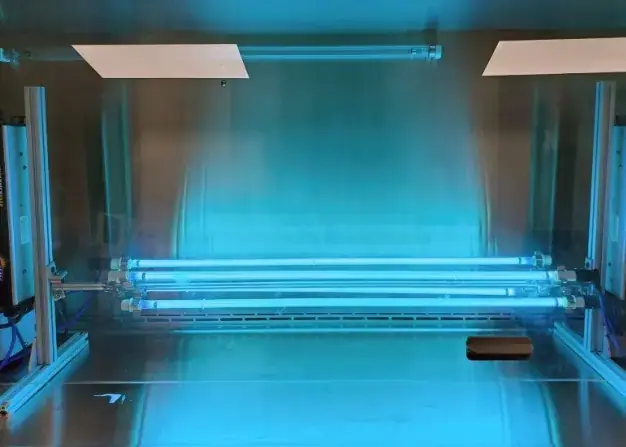
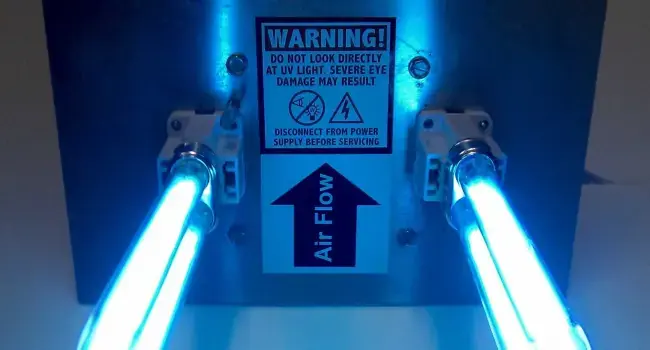
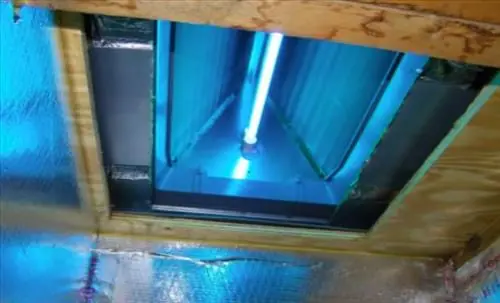
For persistent problems like mold, bacteria, and viruses, UV light systems offer a powerful solution. Installed inside the ductwork or near the evaporator coil, ultraviolet lamps disrupt the DNA of microorganisms, rendering them harmless. This technology is gaining popularity for its ability to provide continuous protection against biological growth.
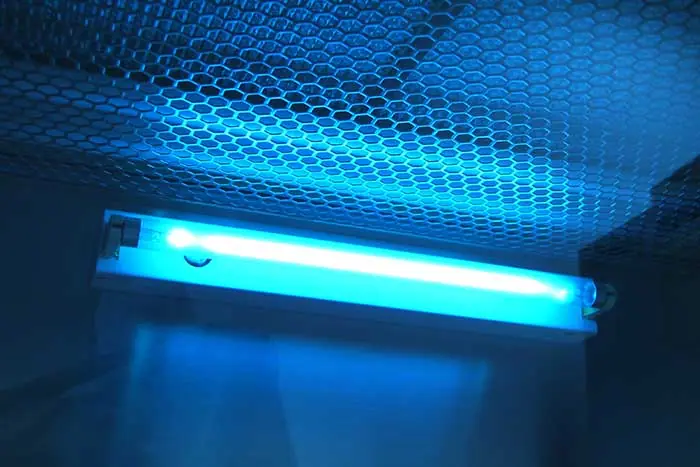
For a deeper dive into the science and benefits of this approach, see the benefits of UV lights in your home’s HVAC system, which explains how these devices can help maintain a healthier environment.
Routine Maintenance and Inspection
Preventing contaminants from building up in the first place is always easier than removing them later. Schedule regular HVAC inspections to catch leaks, moisture issues, or insulation breakdown early. Cleaning supply and return vents, checking for visible mold, and ensuring proper drainage can all help keep your system running cleanly.
For ongoing care, consider reading about uv light and hvac maintenance to understand how combining UV technology with routine service can maximize your system’s cleanliness and efficiency.
Choosing the Right Solution for Your Home
Every property is unique, and the best approach will depend on the specific contaminants present, the age of your system, and your household’s needs. Here are some guidelines to help you decide:
- Frequent allergies or respiratory symptoms: Consider advanced filtration and UV light installation.
- Visible dust or debris around vents: Schedule a professional duct cleaning and upgrade your filters.
- Musty odors or mold growth: Address moisture sources, clean ducts, and install UV lamps for ongoing protection.
- Older ductwork or recent renovations: Inspect for insulation breakdown and pest activity, and clean as needed.
Combining these strategies can help you address both immediate concerns and long-term air quality goals. For more insight into how UV technology works in ductwork, check out what does uv light do in ductwork for a detailed explanation.
Preventing Future Contamination
Once your system is clean, maintaining that condition is key. Here are some practical steps to prevent future buildup of common air duct contaminants:
- Change HVAC filters every 1–3 months, or as recommended by the manufacturer.
- Keep vents and registers free of dust and blockages.
- Address leaks and moisture issues promptly to prevent mold growth.
- Schedule annual HVAC inspections and cleanings.
- Consider UV light installation for ongoing microbial control.
- Seal ductwork to prevent pest entry and insulation breakdown.
For those with allergies or sensitivities, you may also want to explore whether UV technology can help reduce airborne triggers. Learn more by visiting can uv light reduce allergens in air ducts for real answers based on current research.
FAQ
What are the most common signs of contaminated air ducts?
Typical indicators include visible dust around vents, persistent musty odors, increased allergy symptoms, and unusual noises from the ductwork. If you notice any of these, it may be time for an inspection.
How often should air ducts be cleaned?
For most homes, professional duct cleaning is recommended every 3–5 years. However, homes with pets, smokers, or recent renovations may require more frequent service. Regular filter changes and routine maintenance can help extend the time between cleanings.
Are UV lights safe and effective for air duct cleaning?
UV light systems are generally safe when installed by professionals and can be highly effective at controlling mold, bacteria, and viruses in HVAC systems. They work best as part of a comprehensive air quality strategy that includes filtration and routine cleaning.