Maintaining healthy indoor air is essential for everyone, but it becomes especially critical for older adults. As people age, their immune systems may weaken, and they can become more susceptible to airborne contaminants, allergens, and pathogens. This is why understanding uv light and senior health considerations is vital for families, caregivers, and facility managers seeking to create safer living environments for seniors.
Ultraviolet (UV) light technology has emerged as a promising solution for improving air quality in homes, assisted living centers, and healthcare facilities. By targeting airborne microbes and helping to reduce the spread of certain illnesses, UV systems can play a key role in supporting respiratory health and overall well-being for older adults. However, it’s important to weigh the benefits, limitations, and safety factors specific to seniors before making decisions about installing these systems.
For a deeper look at how UV solutions impact ductwork and air systems, you may want to read about air duct health and uv technology, which explores the science and practicalities of integrating UV into HVAC systems.
How UV Light Improves Indoor Air Quality for Older Adults
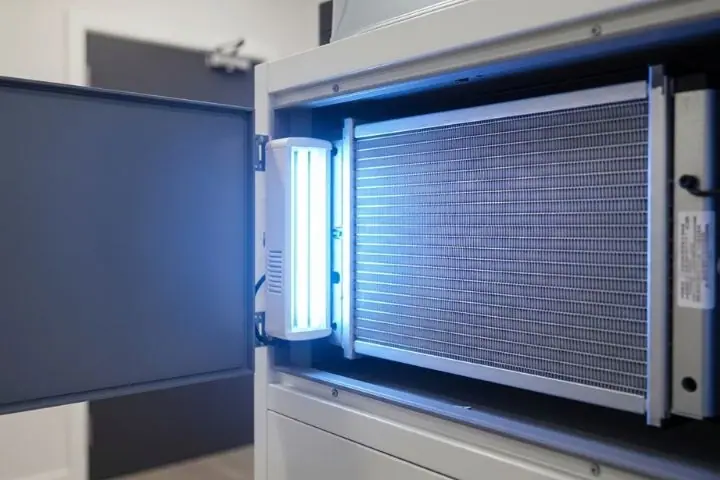
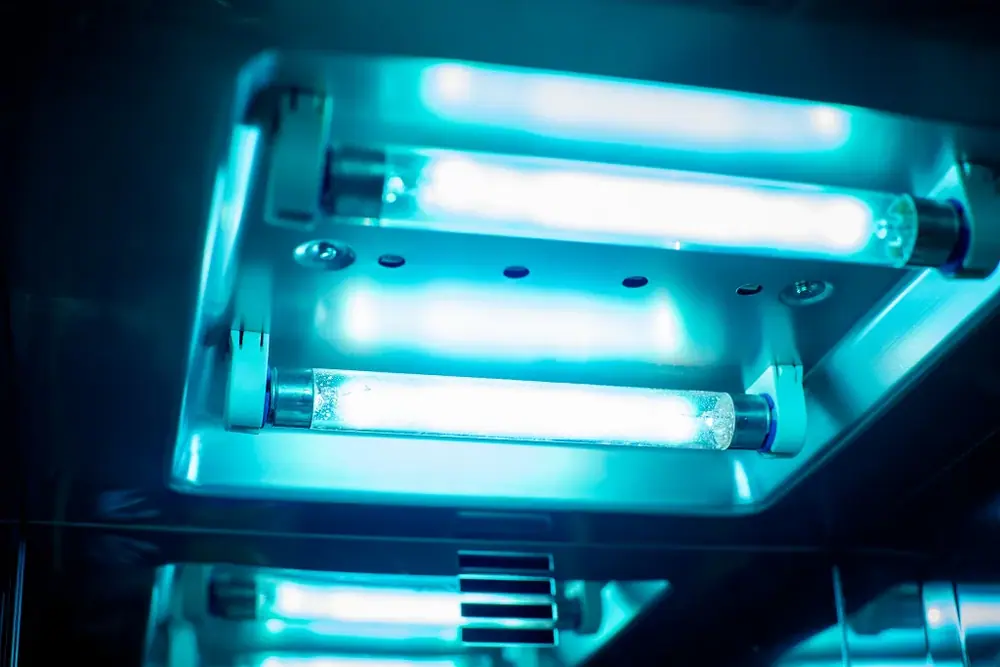
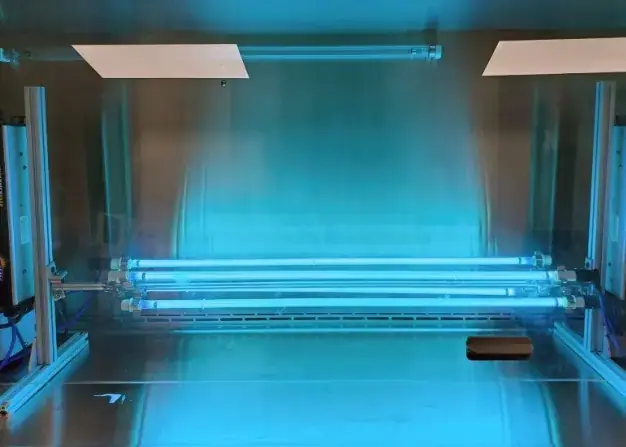
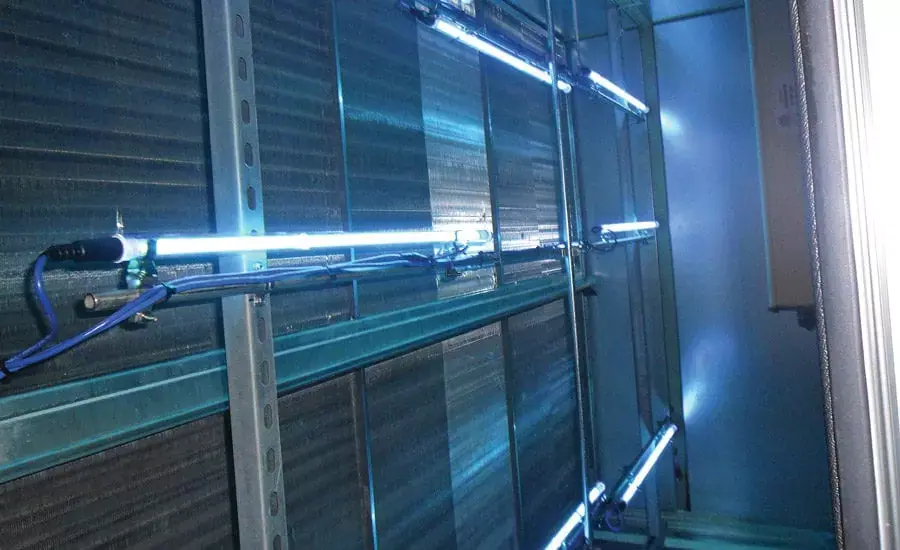
Ultraviolet germicidal irradiation (UVGI) is a method that uses short-wavelength UV-C light to inactivate bacteria, viruses, and mold spores in the air and on surfaces. When installed in HVAC systems, these lights can help reduce the microbial load circulating throughout a building. This is particularly beneficial for seniors, who may have chronic respiratory issues or weakened immune defenses.
- Reduces airborne pathogens: UV-C light can disrupt the DNA or RNA of microorganisms, rendering them inactive and unable to reproduce.
- Supports respiratory health: By lowering the concentration of harmful microbes, UV systems can help minimize asthma triggers and respiratory infections.
- Complements filtration: While air filters capture particulates, UV light targets what filters may miss—especially viruses and bacteria too small to be trapped.
Research, such as the findings published in studies on UV-C effectiveness in air disinfection, supports the use of UV technology as part of a comprehensive indoor air quality strategy.
Key UV Light and Senior Health Considerations for Safe Implementation
While UV systems offer clear advantages, there are important factors to consider when introducing them into environments with older adults. The following points address both the benefits and the precautions necessary for safe and effective use:
- Proper installation: UV lamps should be installed within HVAC ducts or air handlers, out of direct view, to prevent accidental exposure to skin or eyes.
- Routine maintenance: Bulbs lose intensity over time and must be replaced according to manufacturer guidelines to ensure continued effectiveness.
- Material compatibility: Some plastics and rubbers may degrade under prolonged UV exposure. Ensuring all HVAC components are UV-resistant is crucial.
- Health monitoring: Seniors with certain medical conditions, such as photosensitivity disorders, may require additional precautions, even though UV-C systems are typically enclosed.
Incorporating these uv light and senior health considerations into your planning helps ensure that the technology delivers its intended benefits without unintended risks.
Comparing UV Air Purification to Other Clean Air Solutions
When considering options for improving indoor air, it’s helpful to compare UV technology with other methods commonly used in senior living environments:
| Air Quality Solution | Strengths | Limitations |
|---|---|---|
| HEPA Filtration | Traps particles, allergens, and dust | Does not neutralize viruses or bacteria |
| UV-C Systems | Inactivates microbes, complements filters | Requires proper installation and maintenance |
| Ionizers | Reduces particulates, some microbial action | May produce ozone, which can irritate lungs |
| Ventilation Upgrades | Brings in fresh air, dilutes contaminants | May increase energy costs, not always feasible |
Combining UV-C with high-quality filtration and proper ventilation often yields the best results for senior health, as each method addresses different aspects of indoor air quality.
Special Considerations for Seniors in Assisted Living and Home Care
Older adults living in group settings or with chronic health conditions face unique challenges. Here are some practical tips for families and facility managers:
- Consult with HVAC professionals to ensure UV systems are sized and installed correctly for the space.
- Educate staff and residents about the purpose and safety of UV technology.
- Schedule regular inspections to verify that bulbs are functioning and that no light is leaking into occupied areas.
- Pair UV with moisture control strategies to further reduce mold risk. For more on this, see our guide on uv light and duct moisture control.
These steps help maximize the benefits of UV air purification while minimizing potential downsides, particularly for those most vulnerable to indoor air quality issues.
Integrating UV Technology Into a Comprehensive Senior Air Quality Plan
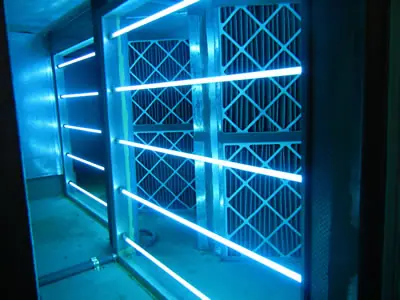
UV-C systems are most effective when used as part of a broader approach to indoor air management. For seniors, this means:
- Combining UV with HEPA filtration and regular HVAC cleaning.
- Monitoring humidity to prevent mold growth—see our article on reducing mold risk in ductwork for more strategies.
- Scheduling professional maintenance to ensure all systems are operating safely and efficiently.
- Considering the specific needs of residents, such as allergies, respiratory conditions, or sensitivities to certain cleaning agents.
By taking a holistic approach, families and facility managers can create healthier, more comfortable environments for older adults.
Frequently Asked Questions
Is UV-C light safe for seniors in residential or care settings?
When installed and maintained properly within HVAC systems, UV-C light is generally safe for use in environments with older adults. The light is contained within air ducts or air handlers, preventing direct exposure. It’s important to ensure the system is professionally installed and regularly checked for safety.
How often should UV bulbs be replaced to maintain effectiveness?
Most UV-C bulbs should be replaced every 9–12 months, depending on manufacturer recommendations. Over time, the intensity of the light diminishes, which can reduce its ability to inactivate microbes. Regular maintenance is essential for optimal performance.
Can UV systems help with allergies and asthma in seniors?
Yes, UV-C technology can help reduce airborne mold spores, bacteria, and viruses, which are common triggers for allergies and asthma. However, it should be used alongside high-efficiency filtration and humidity control for best results.
Conclusion
For those responsible for the well-being of older adults, understanding the role of uv light and senior health considerations in indoor air quality is crucial. UV-C technology, when implemented safely and as part of a comprehensive air management plan, can offer significant benefits by reducing airborne pathogens and supporting respiratory health. Always consult with qualified professionals to tailor solutions to the specific needs of your environment, and consider combining UV with other proven strategies for the best protection.