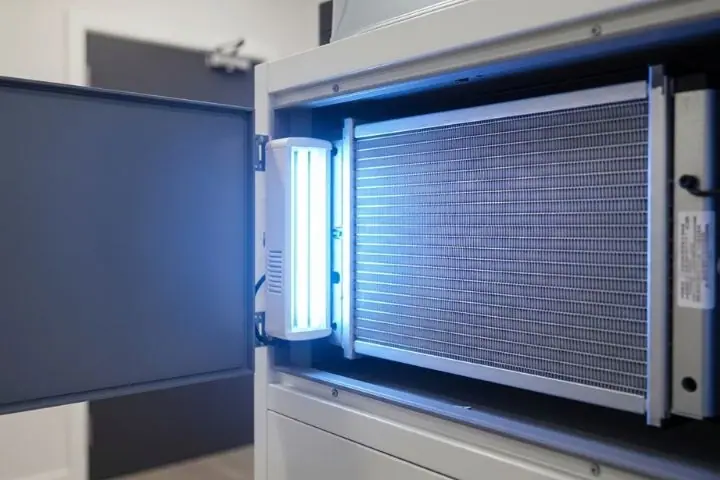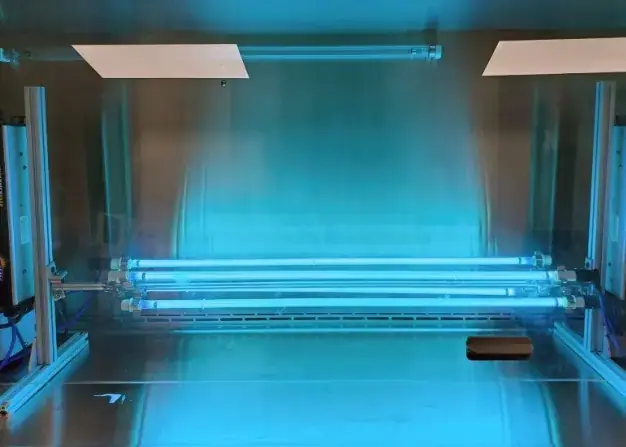
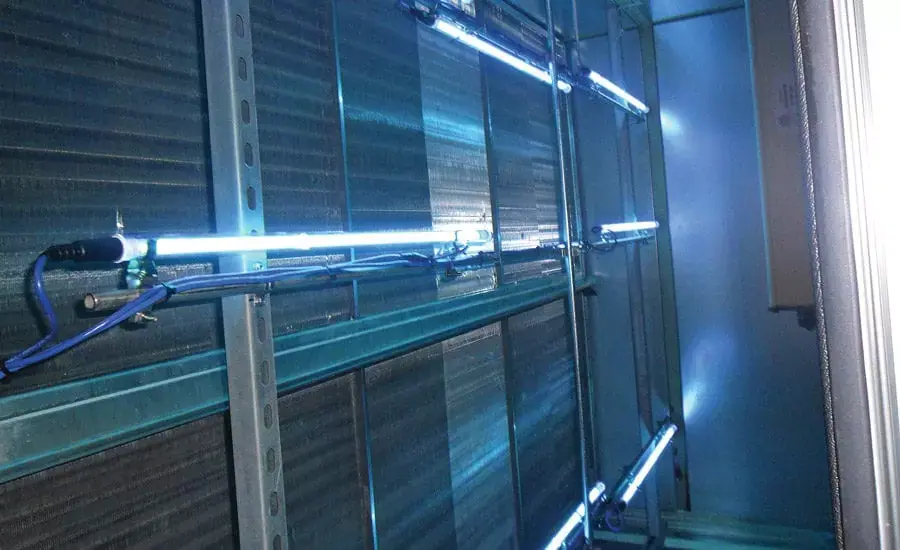
Maintaining indoor air quality is a top priority for homeowners and facility managers. One of the most effective ways to combat mold growth in heating, ventilation, and air conditioning systems is by installing UV light for HVAC mold control. These systems use ultraviolet technology to target and neutralize mold spores, bacteria, and other microorganisms that thrive in dark, damp environments inside air handlers and ductwork.
Understanding how UV lights work, their benefits, and what to consider before installation can help you make informed decisions about protecting your HVAC system and improving air quality. This article explores how UV lights prevent mold, key features to look for, and how to choose the right solution for your needs.
For those interested in more advanced solutions, you can learn about uv light for commercial hvac systems and how they provide clean air in larger buildings. These resources offer additional insights into the benefits and applications of UV technology in various HVAC setups.
How UV Lights Prevent Mold in HVAC Systems
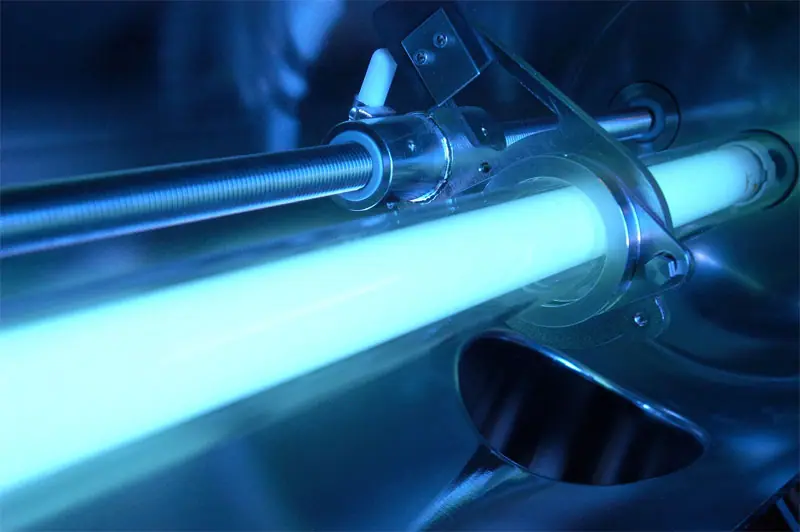
Ultraviolet germicidal irradiation (UVGI) is a proven method for reducing microbial contamination in air handling units. When installed inside the HVAC system, UV light for hvac mold control emits short-wavelength UV-C rays that disrupt the DNA of mold spores and bacteria, rendering them inactive and unable to reproduce.
Key areas where mold often develops include:
- Evaporator coils
- Drip pans
- Interior duct surfaces
By continuously bathing these surfaces in UV-C light, the system helps prevent mold colonies from forming and spreading throughout the ductwork. This not only protects the HVAC equipment but also reduces the risk of mold spores being circulated into living or working spaces.
Benefits of Installing UV Lights for Mold Prevention
Adding a UV light system to your HVAC setup offers several advantages beyond just mold control:
- Improved indoor air quality by reducing airborne pathogens and allergens
- Enhanced system efficiency, as clean coils transfer heat more effectively
- Lower maintenance costs due to reduced microbial buildup
- Extended equipment lifespan by minimizing corrosion and blockages
These benefits make UV lights a valuable investment for both residential and commercial properties, especially in humid climates where mold growth is more prevalent.
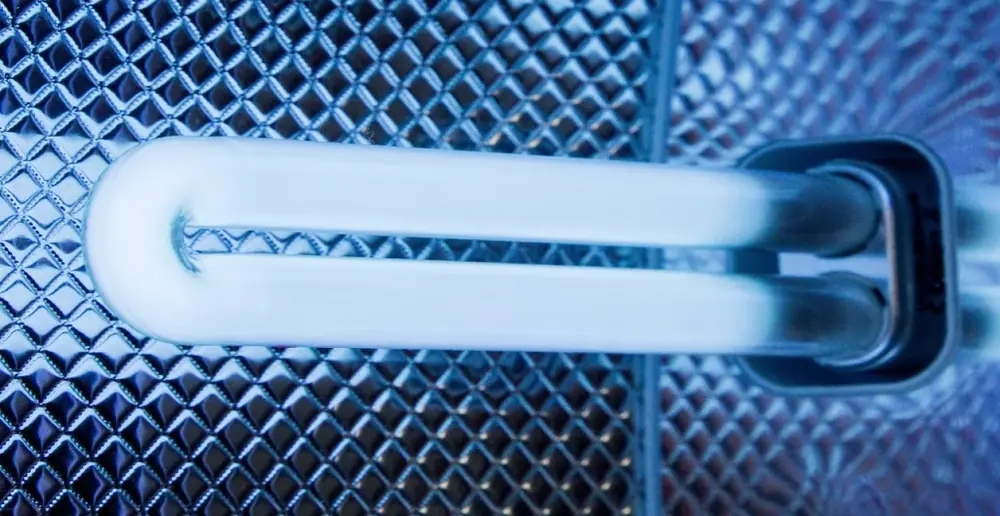
Types of UV Light Systems for HVAC Mold Control
There are two main categories of UV light systems designed for HVAC applications:
- Coil Sterilization: These UV lamps are installed near the evaporator coil, targeting the moist surfaces where mold and bacteria are most likely to grow. Coil sterilization is the most common and cost-effective option for residential systems.
- Air Sterilization: These systems are installed in the return air duct and treat the air as it passes through the HVAC system. Air sterilization units are typically used in larger or commercial systems where higher volumes of air need to be disinfected.
Choosing the right type depends on your specific needs, system size, and the level of microbial control desired.
Factors to Consider When Choosing a UV Light for Mold Prevention
When selecting a UV light solution for your HVAC, keep these factors in mind:
- Compatibility: Ensure the UV system fits your existing HVAC unit and can be installed without major modifications.
- Lamp strength and coverage: Higher wattage and longer bulbs cover more surface area and provide greater disinfection power.
- Maintenance requirements: UV lamps typically need replacement every 12–24 months for optimal performance.
- Warranty and certification: Look for products with strong warranties and certifications from recognized organizations.
- Professional installation: Proper placement and electrical connections are essential for safety and effectiveness.
Consulting with an HVAC professional can help you determine the best fit for your system and ensure safe, effective operation.
Installation and Maintenance Tips for UV HVAC Lights
Proper installation and routine maintenance are crucial for maximizing the benefits of UV lights in your HVAC system. Here are some best practices:
- Have a licensed HVAC technician handle the installation to ensure correct placement and electrical safety.
- Clean the UV lamp and surrounding area regularly to remove dust and debris that can block UV rays.
- Replace bulbs according to the manufacturer’s recommendations, typically every 1–2 years.
- Check for signs of lamp failure, such as reduced brightness or indicator lights on the control panel.
- Schedule periodic inspections as part of your overall HVAC maintenance routine.
For more details on keeping your system in top shape, see this guide on uv light and hvac maintenance.
Are UV Lights Safe and Effective for Mold Control?
When used correctly, UV lights are both safe and highly effective at reducing mold and microbial contamination in HVAC systems. The UV-C wavelength used in these devices is not visible to the human eye and is contained within the air handler or ductwork, minimizing exposure risks. However, direct exposure to UV-C rays can be harmful to skin and eyes, so installation and maintenance should always be performed with the system powered off and by trained professionals.
Numerous studies and industry experts confirm the efficacy of UV-C light in controlling mold and improving air quality. For a deeper dive into how these systems work, visit this comprehensive resource on UV lights for HVAC.
Comparing UV Lights to Other Mold Prevention Methods
While UV lights are a powerful tool for mold prevention, they work best as part of a comprehensive strategy that includes:
- Regular HVAC filter changes
- Routine duct cleaning
- Controlling indoor humidity levels
- Promptly addressing water leaks and condensation issues
Combining these practices with UV technology provides the best protection against mold growth and helps maintain a healthy indoor environment.
For those interested in solutions tailored to homes, you can also explore options for uv light for residential air ducts to see what’s best for your living space.
Frequently Asked Questions
How long does a UV light last in an HVAC system?
Most UV lamps are designed to last between 9,000 and 12,000 hours, or about 12–24 months of continuous use. It’s important to replace the bulb according to the manufacturer’s instructions to maintain optimal performance.
Can UV lights eliminate all mold and bacteria in my HVAC?
While UV lights are highly effective at reducing mold, bacteria, and viruses on surfaces and in the air, they are not a complete solution on their own. They should be used alongside regular maintenance, filter changes, and humidity control for best results.
Is professional installation necessary for UV HVAC lights?
Yes, professional installation is strongly recommended. Proper placement, electrical connections, and safety precautions are essential for the system to work effectively and safely.
Do UV lights increase energy consumption?
UV lamps use minimal electricity—typically less than a standard light bulb. The small increase in energy use is offset by improved HVAC efficiency and reduced maintenance needs.
Where should UV lights be installed in the HVAC system?
The most common placement is near the evaporator coil, where moisture and mold are most likely to accumulate. Some systems also use air sterilization units in the return duct for broader coverage.
For more insights into how UV technology can help reduce allergens, see this article on can uv light reduce allergens in air ducts. Staying informed and proactive is the best way to ensure clean, healthy air in your space.