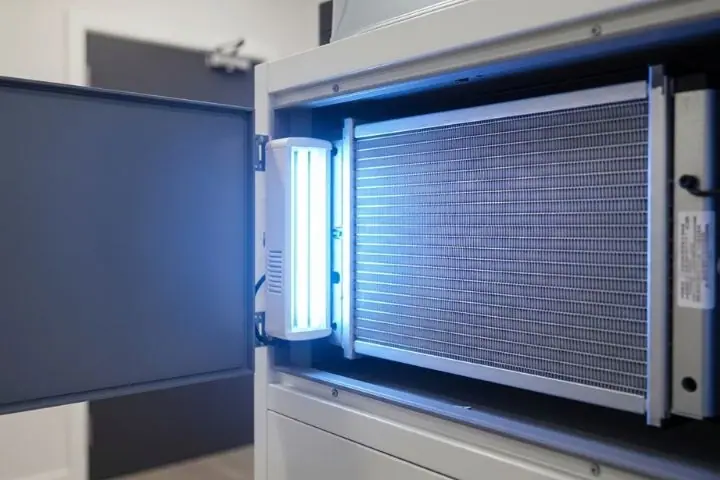

Indoor environments play a significant role in shaping our well-being, especially when it comes to respiratory health and indoor air. Many people spend the majority of their time indoors, whether at home, at work, or in public spaces. The air we breathe inside these spaces can contain a range of pollutants, allergens, and irritants that may have a direct impact on our lungs and overall respiratory function.
Understanding the connection between the air inside our homes and workplaces and our ability to breathe comfortably is essential for anyone concerned about allergies, asthma, or chronic respiratory conditions. Poor air quality indoors can trigger symptoms, worsen existing conditions, and even contribute to the development of new respiratory issues over time.
For those managing conditions like asthma, it’s especially important to recognize the environmental triggers of asthma that may be present in indoor spaces. By taking steps to improve air quality, you can help protect your lungs and reduce the risk of flare-ups or long-term respiratory complications.
Key Pollutants That Affect Indoor Air and Breathing
Several common pollutants can be found indoors, each with the potential to impact respiratory health and indoor air quality. Understanding these sources is the first step toward creating a healthier living environment.
- Particulate Matter (PM): Tiny particles from dust, smoke, pet dander, and cooking can be inhaled deep into the lungs, causing irritation and inflammation.
- Volatile Organic Compounds (VOCs): Emitted by cleaning products, paints, and building materials, VOCs can trigger headaches, dizziness, and respiratory symptoms.
- Mold and Mildew: Damp areas encourage mold growth, which releases spores that can provoke allergic reactions and asthma attacks.
- Biological Contaminants: Dust mites, pollen, and bacteria are common indoor allergens that may worsen breathing issues.
- Secondhand Smoke: Tobacco smoke contains numerous toxic chemicals that are especially harmful to the lungs.
Even seemingly minor exposures can add up over time, especially for vulnerable groups like children, the elderly, and those with pre-existing respiratory conditions.
How Poor Indoor Air Quality Impacts the Lungs
Breathing in polluted air indoors can have both immediate and long-term effects. Short-term symptoms may include coughing, sneezing, throat irritation, and shortness of breath. For individuals with asthma or allergies, exposure to indoor pollutants can quickly lead to flare-ups or more severe attacks.
Long-term exposure to poor air quality can contribute to the development of chronic respiratory diseases such as asthma, chronic obstructive pulmonary disease (COPD), and even increase the risk of respiratory infections. According to research published in BMJ Open Respiratory Research, there is a clear association between indoor air pollution and a decline in lung function, particularly among those with existing respiratory vulnerabilities.
Children are especially at risk, as their lungs are still developing and they breathe more rapidly than adults. This means they may inhale more pollutants relative to their body size, increasing the risk of developing respiratory problems.
Common Signs That Indoor Air May Be Affecting Your Breathing
Recognizing the symptoms of poor indoor air is crucial for early intervention. Some common signs that your home or workplace air may be impacting your lungs include:
- Frequent coughing or throat clearing
- Worsening of asthma or allergy symptoms indoors
- Shortness of breath, especially after spending time inside
- Unexplained fatigue or headaches
- Increased use of inhalers or allergy medications
If you notice these symptoms improving when you leave the indoor environment, it’s a strong indication that air quality may be a contributing factor.
For those looking to manage asthma more effectively, consider reviewing asthma management at home environment strategies to further reduce triggers.
Improving Indoor Air for Better Respiratory Outcomes
There are practical steps you can take to reduce indoor pollutants and support healthier breathing. Here are some effective strategies:
- Increase Ventilation: Open windows when possible and use exhaust fans in kitchens and bathrooms to remove stale air and pollutants.
- Maintain HVAC Systems: Regularly change filters and schedule professional cleaning. Following HVAC hygiene best practices can significantly reduce dust and allergen buildup.
- Control Humidity: Keep indoor humidity between 30-50% to discourage mold and dust mites.
- Use Air Purifiers: High-efficiency particulate air (HEPA) filters can help capture fine particles and allergens.
- Reduce Chemical Use: Choose low-VOC products and natural cleaning solutions whenever possible.
- Implement a Routine: Establishing an indoor air maintenance routine can help you stay on top of cleaning and filter changes.
Taking these steps not only improves comfort but also helps prevent respiratory flare-ups and long-term health issues.
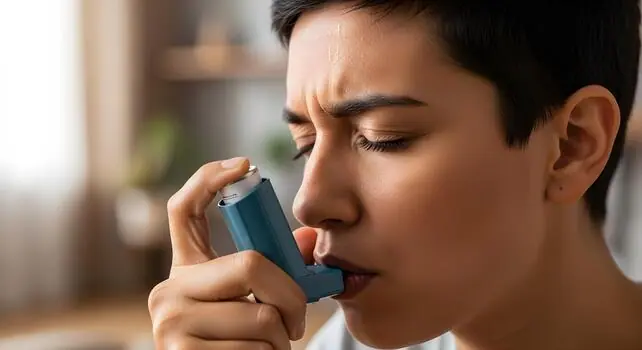
When to Seek Professional Help for Indoor Air Issues
Sometimes, despite best efforts, indoor air problems persist or worsen. If you notice ongoing respiratory symptoms, visible mold, or musty odors, it may be time to consult a professional. Services such as duct inspection for health safety can identify hidden sources of contamination and help restore a healthy indoor environment.
Professional assessments can also detect issues like carbon monoxide leaks or hidden water damage that may not be obvious but can have serious health consequences.
FAQ: Indoor Air and Respiratory Health
What are the most common indoor air pollutants that affect breathing?
The most frequent culprits include dust, pet dander, mold spores, volatile organic compounds (VOCs) from cleaning products and paints, and tobacco smoke. These can all contribute to irritation, allergies, and worsening of asthma or other lung conditions.
How can I tell if my home’s air is causing my respiratory symptoms?
If you notice symptoms like coughing, sneezing, or shortness of breath that improve when you leave your home or office, indoor air quality may be a factor. Persistent musty odors, visible mold, or frequent dust buildup are also signs that your air may need attention.
What steps can I take right now to improve indoor air for my lungs?
Start by increasing ventilation, using HEPA air purifiers, regularly cleaning and changing HVAC filters, and minimizing the use of harsh chemicals. Keeping humidity in check and addressing any water leaks promptly will also help reduce mold and dust mites.
Conclusion
The link between respiratory health and indoor air is clear. By understanding the sources of indoor pollution and taking practical steps to reduce exposure, you can help protect your lungs and those of your loved ones. Regular maintenance, awareness of symptoms, and seeking professional help when needed are all important parts of creating a safer, healthier indoor environment.