
Maintaining a clean and efficient HVAC system is essential for both comfort and health in any home. When heating, ventilation, and air conditioning systems are neglected, dust, allergens, and even mold can accumulate, leading to poor indoor air quality and increased risk of respiratory issues. By following HVAC hygiene best practices, homeowners can ensure their systems run efficiently, promote a healthier living environment, and potentially save on energy costs.
Understanding the importance of routine maintenance and adopting proven strategies can make a significant difference. For those looking to go beyond the basics, learning about duct inspection for health safety can further enhance the effectiveness of your efforts. This article outlines practical steps every homeowner should take to keep their HVAC systems in top condition and safeguard their indoor air quality.
Why Cleanliness Matters for Your HVAC System
HVAC systems circulate air throughout your home, so any contaminants present in the system can easily spread from room to room. Dust, pollen, pet dander, and even bacteria or mold spores can accumulate in ducts and filters. Over time, these pollutants can impact the air you breathe, potentially triggering allergies, asthma, or other respiratory issues. According to the American Lung Association, indoor air quality is a critical factor in respiratory health, especially for those with asthma or allergies.
Beyond health, a dirty HVAC system can reduce efficiency, leading to higher energy bills and more frequent breakdowns. Regular cleaning and maintenance help prevent these issues and extend the lifespan of your equipment.
Routine Filter Replacement: The Foundation of HVAC Hygiene
One of the simplest yet most effective HVAC hygiene best practices is changing or cleaning air filters regularly. Filters trap dust, pollen, and other airborne particles, preventing them from circulating through your home. When filters become clogged, airflow is restricted, forcing your system to work harder and reducing its effectiveness.
- Check filters every 1–3 months, depending on usage and manufacturer recommendations.
- Replace disposable filters or clean reusable ones as needed.
- Consider upgrading to HEPA filters for improved filtration, especially if you have pets or allergies.
For guidance on how often to clean your system, see the HVAC cleaning frequency guidelines for best results.
Keeping Ducts and Vents Free of Debris
Ductwork and vents are common places for dust and debris to accumulate. Over time, this buildup can restrict airflow and harbor allergens or even mold. To maintain optimal air quality and system performance, it’s important to keep these components clean.
- Vacuum vents and registers regularly to remove visible dust.
- Schedule professional duct cleaning every few years, or sooner if you notice excessive dust or musty odors.
- Use vent covers or filters to reduce debris entering the system, but ensure they do not restrict airflow.
Taking steps to keep vents allergen-free throughout the year can further reduce the risk of indoor air pollution.
Managing Moisture and Preventing Mold Growth
Moisture is a major contributor to mold and mildew in HVAC systems. Mold not only damages equipment but also releases spores that can affect respiratory health. To prevent mold growth, it’s essential to control humidity and address any leaks or condensation issues promptly.
- Use a dehumidifier if your home is prone to excess moisture.
- Inspect drip pans and condensate lines for blockages or leaks.
- Ensure all ductwork is properly sealed to prevent moisture intrusion.
If you notice persistent musty odors or visible mold, consult a professional for inspection and remediation.
Scheduling Regular Professional Inspections
While many maintenance tasks can be handled by homeowners, periodic professional inspections are crucial for comprehensive HVAC hygiene. Trained technicians can identify hidden issues, clean hard-to-reach areas, and ensure your system is operating safely and efficiently.
- Arrange for annual or biannual inspections to catch problems early.
- Ask your technician to check for leaks, electrical issues, and proper refrigerant levels.
- Request a full system cleaning if you notice reduced performance or increased dust.
Learn more about the importance of annual air system inspections and how they can help you avoid costly repairs and health risks.
Reducing Allergen Buildup and Improving Air Quality
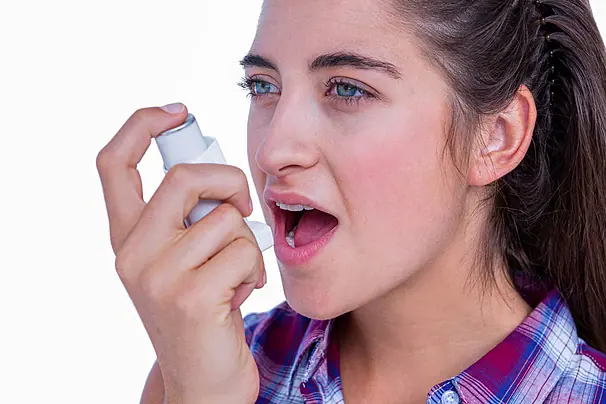
Allergens such as pollen, pet dander, and dust mites can quickly accumulate in HVAC systems, especially during peak allergy seasons. Implementing strategies to minimize allergen buildup is a key part of HVAC hygiene best practices and can make a noticeable difference in your home’s air quality.
- Keep windows and doors closed during high pollen periods.
- Vacuum and dust your home regularly, focusing on areas near vents and returns.
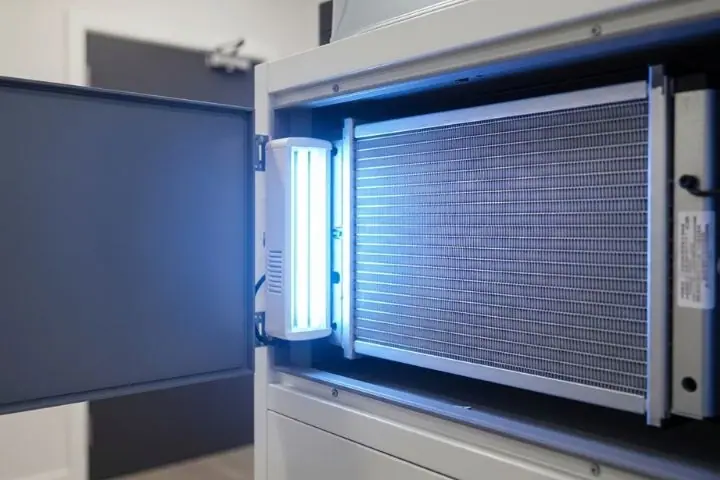
- Consider air purifiers or UV light systems for added protection.
For more tips on reducing allergen buildup before it becomes a problem, explore additional resources tailored to your specific needs.
Seasonal Maintenance Checklist for Homeowners
Staying on top of seasonal maintenance tasks is one of the most effective ways to ensure your HVAC system remains clean and efficient year-round. Here’s a practical checklist to guide your efforts:
- Spring: Replace filters, inspect ductwork, and schedule a professional tune-up before cooling season.
- Summer: Check for leaks, monitor humidity, and clear debris from outdoor units.
- Fall: Replace filters again, inspect heating components, and clean vents/registers.
- Winter: Ensure all vents are unobstructed and monitor for unusual noises or odors.
Following these steps helps prevent breakdowns and keeps your indoor environment healthy and comfortable.
Common Mistakes to Avoid in HVAC Maintenance
Even well-intentioned homeowners can make mistakes that compromise HVAC hygiene. Here are some pitfalls to watch out for:
- Neglecting filter changes or using the wrong size/type.
- Blocking vents with furniture or drapes, restricting airflow.
- Ignoring unusual noises, odors, or spikes in energy bills.
- Attempting complex repairs without proper training.
When in doubt, consult a professional to avoid causing damage or voiding warranties.
FAQ: Answers to Common HVAC Hygiene Questions
How often should I replace my HVAC filter?
Most filters should be replaced or cleaned every 1–3 months, but this can vary based on system usage, filter type, and whether you have pets or allergies. Always follow manufacturer recommendations and check filters more frequently during heavy use.
Can dirty ducts really affect my health?
Yes. Dust, mold, and other contaminants in ductwork can circulate throughout your home, potentially triggering allergies, asthma, and other respiratory problems. Regular duct cleaning and inspections help minimize these risks.
Is professional HVAC cleaning necessary if I change filters regularly?
While regular filter changes are essential, professional cleaning and inspections address areas that homeowners may miss, such as deep ductwork, coils, and condensate lines. These services help maintain system efficiency and indoor air quality.
Conclusion
Adopting HVAC hygiene best practices is a straightforward way to protect your family’s health, improve comfort, and extend the life of your heating and cooling system. By combining routine filter changes, duct and vent cleaning, moisture control, and regular professional inspections, you can create a cleaner, safer home environment. Don’t overlook the value of seasonal maintenance and expert guidance—these steps can make all the difference in keeping your HVAC system running smoothly for years to come.