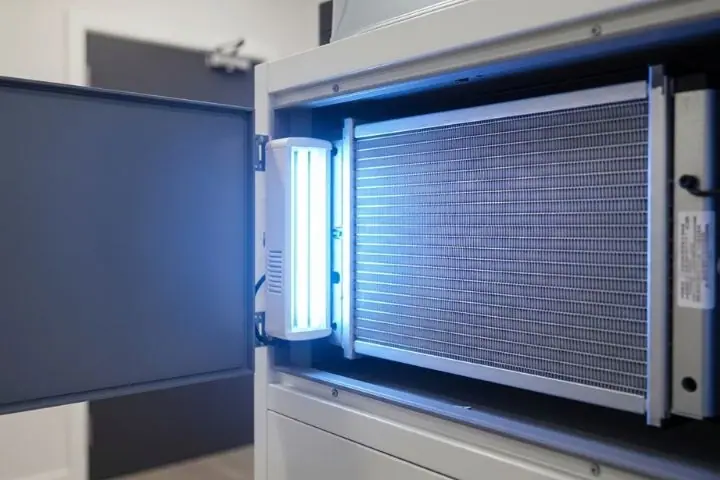

Maintaining healthy air quality inside your home or workplace is essential for comfort, well-being, and long-term health. A well-structured indoor air maintenance routine helps reduce allergens, control humidity, and prevent the buildup of pollutants. With the right steps, you can create a cleaner, safer environment for everyone who spends time indoors.
Many people overlook the importance of regular air quality management until problems arise. However, proactive care can prevent issues like respiratory irritation, asthma flare-ups, and persistent odors. This guide will walk you through the fundamentals of establishing a practical and effective plan for keeping your indoor air fresh and healthy.
One of the first steps to improving air quality is understanding your current situation. Consider scheduling a duct inspection for health safety to identify hidden issues in your ventilation system. Early detection of dust, mold, or other contaminants can make a significant difference in your overall air quality and help you tailor your maintenance plan effectively.
Why a Proactive Air Quality Plan Matters
Indoor air can be affected by a range of factors, from outdoor pollution to everyday activities like cooking and cleaning. Without a consistent approach to air care, pollutants and allergens can accumulate, leading to health problems and discomfort. Establishing a routine for maintaining indoor air ensures that you’re not only reacting to problems but actively preventing them.
- Reduces allergens: Regular cleaning and filter changes minimize dust, pollen, and pet dander.
- Controls humidity: Proper moisture levels discourage mold growth and dust mites.
- Improves comfort: Fresh air makes your space more pleasant and inviting.
- Protects health: Lower levels of indoor pollutants mean fewer respiratory issues and allergic reactions.
By making air quality management a habit, you can avoid the cycle of neglect and emergency fixes. Instead, you’ll enjoy a consistently healthier environment all year round.
Key Elements of an Effective Indoor Air Care Routine
Developing a successful plan involves several core steps. Each plays a role in keeping your air clean and your systems running efficiently. Here’s what to include in your maintenance approach:
1. Regular Filter Changes
Air filters in HVAC systems, air purifiers, and even vacuum cleaners trap dust, pollen, and other particles. Over time, these filters become clogged and less effective. Replace or clean filters according to manufacturer recommendations—typically every 1–3 months for HVAC units. This simple step can dramatically improve air flow and reduce contaminants.
2. Scheduled Duct and Vent Cleaning
Dust, mold, and debris can build up in ducts and vents, especially if filters are neglected. Professional cleaning at least once every few years is recommended, but homes with pets, allergies, or high dust levels may need more frequent attention. For more details on how often to clean your system, see the HVAC cleaning frequency guidelines for good health.
3. Humidity Management
Maintaining indoor humidity between 30% and 50% helps prevent mold growth and keeps dust mites in check. Use dehumidifiers in damp areas and humidifiers in dry climates. Regularly check for leaks or standing water, which can quickly lead to mold problems.
4. Allergen and Pollutant Source Control
Minimize the introduction of new contaminants by:
- Using doormats and removing shoes at entryways
- Keeping windows closed during high pollen or pollution days
- Choosing low-emission cleaning products and paints
- Ventilating when cooking or using chemicals
For more strategies, explore these tips on reducing allergen buildup prevention before it becomes a problem.

Routine Tasks for Cleaner Indoor Air
Consistency is key to any successful indoor air maintenance routine. Here’s a sample schedule to help you stay on track:
| Task | Frequency |
|---|---|
| Replace HVAC filters | Every 1–3 months |
| Clean vents and registers | Monthly |
| Vacuum carpets and upholstery | Weekly |
| Check humidity levels | Monthly |
| Professional duct cleaning | Every 2–5 years |
| Inspect for mold and leaks | Seasonally |
Adjust this schedule based on your home’s needs, the presence of pets, or specific health concerns. If you have allergies or asthma, more frequent cleaning and filter changes may be necessary. For additional tips on keeping vents free from allergens, visit the guide on keeping vents allergen-free all year.
Recognizing and Managing Common Indoor Air Triggers
Some indoor air problems are caused by specific triggers such as dust mites, pet dander, mold spores, or chemical fumes. Identifying these sources is crucial for effective management. The EPA’s resource on asthma triggers and control provides helpful information on recognizing and reducing common irritants in your home.
Pay attention to signs like persistent sneezing, coughing, or musty odors. These can indicate that your air maintenance plan needs adjustment or that a deeper cleaning is required.

When to Seek Professional Help
While many aspects of air quality can be managed with regular cleaning and maintenance, some situations call for expert assistance. If you notice persistent odors, visible mold, or unexplained health symptoms, it may be time for a professional inspection. Annual or biannual assessments can identify hidden issues and ensure your systems are functioning optimally. Learn more about the air system inspection importance and why investing in regular checkups pays off in the long run.
Frequently Asked Questions
How often should I change my air filters?
Most HVAC filters should be replaced every 1–3 months, but the frequency depends on factors like pets, allergies, and local air quality. Check filters monthly and replace them if they appear dirty or clogged.
What are the signs of poor indoor air quality?
Common indicators include persistent dust, musty odors, increased allergy or asthma symptoms, and visible mold. If you notice these issues, review your maintenance routine and consider a professional assessment.
Can plants help improve indoor air?
Some houseplants can help filter certain pollutants, but they are not a substitute for proper ventilation, filtration, and cleaning. Use plants as a supplement to a comprehensive air care plan, not as the primary solution.
Conclusion
Establishing a reliable indoor air maintenance routine is one of the best investments you can make in your health and comfort. By following a structured plan—changing filters, cleaning ducts, managing humidity, and controlling pollutant sources—you can enjoy cleaner, fresher air every day. Remember to stay consistent and adjust your approach as needed to suit your household’s unique needs. For tailored advice or professional support, don’t hesitate to reach out to a qualified air quality specialist.