Indoor air quality is a growing concern for many households, especially for those dealing with allergies or respiratory issues. Understanding how allergens travel in homes is essential for creating a healthier living environment. From dust mites to pet dander, pollen, and mold spores, these microscopic particles can easily become airborne and circulate throughout your living spaces. Their movement is influenced by airflow, ventilation, and even daily activities like cleaning or cooking.
Many people underestimate just how quickly these irritants can move from one room to another. Without proper precautions, what starts as a small problem in one area can rapidly affect the entire house. If you live in an apartment or a home with limited ventilation, you may be even more susceptible to widespread allergen exposure. For more insight into this issue, you can read about apartment air circulation issues and how they impact indoor environments.
Common Sources of Indoor Allergens
To effectively manage indoor air quality, it’s important to recognize where allergens originate. The most common sources include:
- Dust mites: These microscopic creatures thrive in bedding, carpets, and upholstered furniture.
- Pet dander: Skin flakes from cats, dogs, and other animals can linger in the air and settle on surfaces.
- Pollen: Outdoor pollen easily enters through open windows, doors, and on clothing or pets.
- Mold spores: Damp areas such as bathrooms, basements, and kitchens are prime locations for mold growth.
- Cockroach droppings: In urban environments, these can be a significant trigger for allergies and asthma.
Each of these sources can release particles that become airborne, making it easier for them to spread throughout your home. Regular cleaning and maintenance can help, but understanding the mechanisms of how these irritants move is key to reducing exposure.
Mechanisms Behind Allergen Movement Indoors
The way allergens travel in homes is largely determined by airflow patterns and human activity. Here are some of the main ways these particles move:
- Air currents: Heating, ventilation, and air conditioning (HVAC) systems circulate air—and with it, allergens—throughout the house.
- Foot traffic: Walking on carpets or rugs can stir up dust and dander, sending them into the air.
- Cleaning activities: Vacuuming, dusting, and sweeping can temporarily increase airborne allergen levels if not done with proper filters or damp methods.
- Open windows and doors: While fresh air is important, it can also allow outdoor allergens like pollen to enter and spread indoors.
- Humidity and moisture: High humidity encourages mold growth, and mold spores can become airborne, especially when disturbed.
These factors combine to create a dynamic environment where allergens are constantly moving, settling, and being resuspended. Even seemingly minor actions, like fluffing a pillow or opening a curtain, can release particles into the air.
How HVAC and Ventilation Affect Allergen Spread
Central heating and cooling systems play a major role in distributing airborne particles. When air circulates through ducts, it can pick up dust, pollen, and dander from one room and deposit them in another. If filters are not changed regularly, these systems may even recirculate contaminants, worsening the problem.
Proper ventilation is critical for diluting and removing irritants from indoor air. However, in tightly sealed homes, poor airflow can trap allergens inside, leading to higher concentrations. This is especially relevant for those concerned about long-term closed house air issues and the associated health risks.
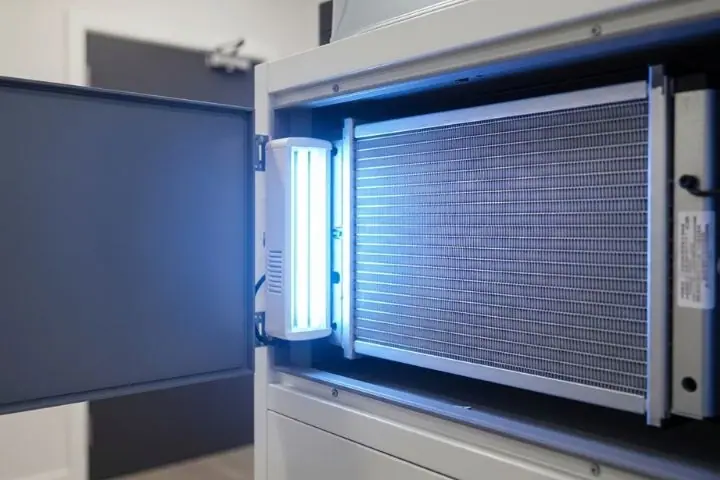
Some modern HVAC systems include advanced filtration or air purification technologies, but even these require regular maintenance to remain effective. Simple steps like opening windows for short periods, using exhaust fans, and ensuring vents are unobstructed can help reduce allergen buildup.
Impact of Daily Activities on Allergen Distribution
Everyday routines have a significant impact on how particles move indoors. For example, making the bed can release dust mites into the air, while vacuuming without a HEPA filter may scatter more dust than it removes. Cooking, burning candles, or using fireplaces can also release particulates that interact with existing allergens, compounding the issue.
To minimize the spread, consider these practical tips:
- Use vacuums with HEPA filters to trap fine particles.
- Wash bedding and curtains regularly in hot water.
- Keep pets out of bedrooms and off furniture when possible.
- Wipe surfaces with damp cloths instead of dry dusting.
- Address leaks and moisture promptly to prevent mold growth.
Being mindful of these habits can make a noticeable difference in your home’s air quality and reduce allergy symptoms.
Health Effects of Airborne Allergens
Exposure to airborne irritants can have immediate and long-term health consequences. For sensitive individuals, symptoms may include sneezing, coughing, itchy eyes, or asthma attacks. Prolonged exposure can even contribute to chronic respiratory problems, especially in children and older adults.
Some environments, such as offices and schools, are particularly prone to poor air quality. If you’re interested in workplace concerns, the article on office indoor air quality problems provides additional context. For school settings, inadequate ventilation is a known contributor to asthma in children, as discussed in resources about school ventilation and asthma.
For a deeper dive into common triggers and practical solutions, you can explore this comprehensive guide to indoor asthma triggers and management.
Prevention and Control Strategies
Reducing the movement of allergens indoors requires a combination of cleaning, maintenance, and lifestyle adjustments. Here are some proven strategies:
- Replace HVAC filters every 1–3 months, or as recommended by the manufacturer.
- Use air purifiers with HEPA filters in bedrooms and main living areas.
- Seal cracks and gaps around windows and doors to prevent outdoor pollen entry.
- Maintain indoor humidity between 30–50% to discourage mold and dust mites.
- Remove carpets in favor of hard flooring where possible, as carpets trap more dust and dander.
Regularly inspecting your home for signs of moisture, leaks, or visible mold can also help you address issues before they worsen. If you’ve recently completed renovations, be aware that post-construction air contamination can introduce new sources of dust and irritants, requiring extra attention to cleaning and ventilation.
FAQ: Indoor Allergen Movement and Control
What are the most effective ways to limit allergen spread in my home?
Focus on regular cleaning with HEPA-filtered vacuums, washing fabrics in hot water, and using air purifiers. Keep humidity under control and address any sources of moisture promptly. Ensuring good ventilation and changing HVAC filters frequently also helps minimize airborne particles.
Can opening windows help reduce indoor allergens?
Opening windows can improve ventilation and dilute indoor irritants, but it may also let in outdoor pollen, especially during allergy seasons. It’s best to open windows during times of low pollen count and use screens to reduce entry of larger particles.
How do I know if my HVAC system is spreading allergens?
If you notice increased allergy symptoms when the system runs, or see dust buildup around vents, your HVAC may be circulating irritants. Regular filter changes and professional duct cleaning can help. Consider upgrading to filters with higher MERV ratings for better particle capture.
Understanding how allergens travel in homes empowers you to take practical steps for a healthier indoor environment. By combining regular maintenance, smart cleaning habits, and effective ventilation, you can significantly reduce exposure and breathe easier every day.