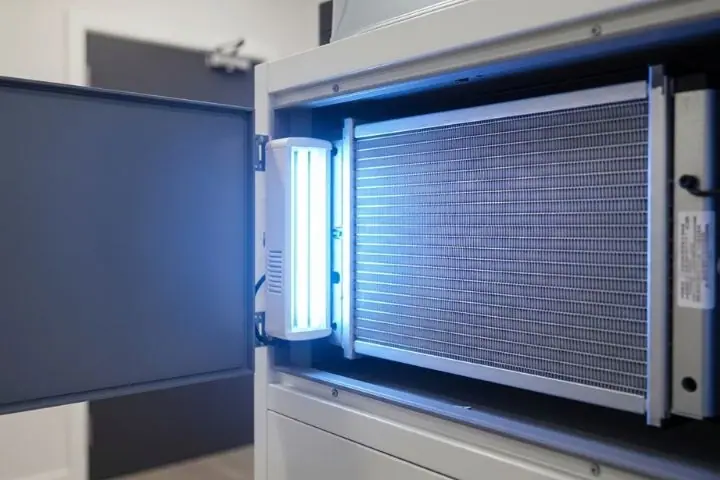

Every day, millions of people spend hours inside office buildings, often unaware of the office indoor air quality problems that can impact their health and productivity. The air inside modern workplaces may seem clean, but it can contain a mix of pollutants, allergens, and irritants that gradually affect well-being. Recognizing and addressing these challenges is essential for maintaining a healthy work environment.
Poor ventilation, chemical emissions, and inadequate cleaning routines are just a few of the factors that contribute to compromised air quality in offices. These issues can lead to symptoms such as headaches, fatigue, respiratory irritation, and even long-term health conditions. Understanding the sources and effects of these problems is the first step toward creating a safer, more comfortable workplace.
Many of the same concerns found in residential settings also apply to workplaces. For example, issues like apartment air circulation issues can be similar to those experienced in office environments, especially in buildings with sealed windows and centralized HVAC systems. Addressing these challenges early can help prevent discomfort and health complaints among staff.
Common Sources of Air Quality Issues in Offices
Several factors contribute to the decline of air quality in office settings. Identifying these sources is crucial for effective mitigation:
- Poor Ventilation: Inadequate air exchange allows pollutants to accumulate, leading to stuffy, stale air.
- Volatile Organic Compounds (VOCs): Emitted from office furniture, carpets, paints, and cleaning products, VOCs can cause headaches and respiratory irritation.
- Dust and Particulates: Dust from paper, electronics, and HVAC systems can trigger allergies and asthma.
- Mold and Moisture: Leaks or high humidity can promote mold growth, which releases spores into the air.
- Biological Contaminants: Bacteria, viruses, and pollen can circulate through shared spaces, increasing the risk of illness.
These elements, when combined, create a complex environment where office indoor air quality problems can easily go unnoticed until symptoms appear.
Health Effects Linked to Poor Office Air
The impact of subpar air quality in offices extends beyond minor discomfort. Employees may experience a range of health issues, including:
- Respiratory Symptoms: Coughing, sneezing, and throat irritation are common, especially in those with allergies or asthma.
- Headaches and Fatigue: Exposure to VOCs and carbon dioxide buildup can lead to persistent headaches and reduced concentration.
- Skin and Eye Irritation: Dry air and airborne chemicals can cause itchy skin and watery eyes.
- Worsening of Chronic Conditions: Individuals with asthma or other respiratory diseases may find their symptoms aggravated.
Repeated exposure to these conditions can reduce productivity and increase absenteeism, making it vital for employers to prioritize air quality improvements.
How Modern Office Design Can Make Air Quality Worse
Open-plan layouts, energy-efficient windows, and advanced insulation are hallmarks of modern office design. While these features can reduce energy costs, they often limit natural airflow. Sealed windows and reliance on HVAC systems mean that fresh air is rarely introduced, allowing indoor pollutants to build up over time.
Additionally, many offices use synthetic materials for flooring, furniture, and wall coverings. These materials can emit VOCs for months or even years after installation. Combined with infrequent cleaning or poorly maintained ventilation systems, these factors can significantly contribute to office indoor air quality problems.
For more insight into how closed environments affect breathing, see the article on closed windows and breathing problems.
Recognizing Signs of Air Quality Problems at Work
It’s not always obvious when the air in a workplace is causing issues. However, there are several warning signs that may indicate a problem:
- Employees frequently complain of headaches, tiredness, or respiratory discomfort.
- There is a persistent musty or chemical odor in certain areas.
- Visible dust accumulates quickly on surfaces and equipment.
- Mold spots appear on walls, ceilings, or around windows.
- Allergy or asthma symptoms worsen during the workday but improve at home.
If these symptoms are common among staff, it’s important to investigate potential sources and consider professional air quality testing.
Practical Solutions for Improving Workplace Air
Addressing office indoor air quality problems requires a combination of proactive maintenance, smart design choices, and regular monitoring. Here are some effective strategies:
- Increase Ventilation: Ensure HVAC systems are properly maintained and introduce fresh air where possible.
- Use Low-Emission Materials: Choose furniture, paints, and cleaning products with low VOC content.
- Control Humidity: Keep indoor humidity between 30–50% to prevent mold growth and reduce dust mites.
- Regular Cleaning: Implement thorough cleaning routines, focusing on dust-prone areas and shared equipment.
- Monitor Air Quality: Use sensors to track levels of carbon dioxide, particulates, and humidity.
- Educate Employees: Encourage staff to report symptoms and participate in maintaining a healthy environment.
For a deeper look at how heating and cooling systems can influence air quality, consider reading about heating system and indoor dryness and air conditioning and allergy triggers.
Seasonal Challenges and Office Air Quality
Air quality concerns can change with the seasons. During summer, increased temperatures and humidity can worsen pollutant levels indoors. In winter, sealed windows and constant heating can dry out the air and concentrate contaminants. These seasonal shifts require tailored solutions to maintain comfort and health year-round.
For more on seasonal impacts, see the guide on polluted indoor air during summer.
Employers should adjust ventilation, humidity control, and cleaning schedules according to the time of year to minimize risks.
Reducing Exposure to Indoor Triggers
Minimizing exposure to indoor triggers is key for those with asthma or allergies. The Asthma Canada guide to indoor triggers offers practical advice on identifying and managing common irritants found in offices.
Simple steps like using air purifiers, keeping workspaces clutter-free, and ensuring proper ventilation can make a significant difference in comfort and health for everyone in the office.
Frequently Asked Questions
What are the most common symptoms of poor air quality in offices?
Typical symptoms include headaches, fatigue, coughing, sneezing, dry or irritated eyes, and worsening of asthma or allergy symptoms. If these issues improve when away from the office, indoor air may be the cause.
How can employers test for air quality issues in the workplace?
Employers can hire professionals to conduct air quality assessments, which may include measuring carbon dioxide, VOCs, humidity, and particulate levels. Regular HVAC maintenance and employee feedback are also important for early detection.
Are there regulations for office air quality?
While there are general occupational health and safety guidelines, specific regulations for indoor air quality vary by region. Employers are encouraged to follow best practices and consult local authorities to ensure compliance.