
After a building or renovation project wraps up, the air inside can be filled with more than just dust. Post-construction air contamination introduces a mix of fine particles, chemical residues, and allergens that linger long after the last contractor leaves. These airborne pollutants can impact your well-being in ways that are often overlooked, especially if you or your family members are sensitive to respiratory irritants.
Understanding the risks associated with lingering construction dust and chemical vapors is crucial for anyone moving into a newly built or remodeled space. Even if surfaces look clean, the air may still carry invisible threats. For those living in apartments or homes with limited ventilation, the effects can be even more pronounced. If you’re curious about how indoor airflow can worsen these issues, you might find more details in our article on apartment air circulation issues.
What Is Post-Construction Air Contamination?
When construction or renovation work is completed, the process leaves behind more than visible debris. Post-construction air contamination refers to the presence of airborne pollutants such as dust, volatile organic compounds (VOCs), mold spores, and microscopic fibers. These contaminants can come from materials like drywall, paint, adhesives, flooring, and insulation. Even after a thorough cleaning, many of these particles remain suspended in the air, making them easy to inhale.
Common sources of indoor pollution after construction include:
- Fine dust from sanding, cutting, and demolition
- Chemical fumes from paints, varnishes, and adhesives
- Mold spores from moisture exposure during building
- Fibers from insulation and construction materials
These pollutants can persist for weeks or even months, especially in spaces with poor ventilation or where cleaning is incomplete.
Health Risks Linked to Indoor Pollution After Construction
Exposure to the pollutants left behind after building work can have both immediate and long-term health effects. The risks are higher for children, older adults, and anyone with existing respiratory conditions such as asthma or allergies.
- Respiratory irritation: Fine dust and chemical vapors can irritate the nose, throat, and lungs, leading to coughing, sneezing, and shortness of breath.
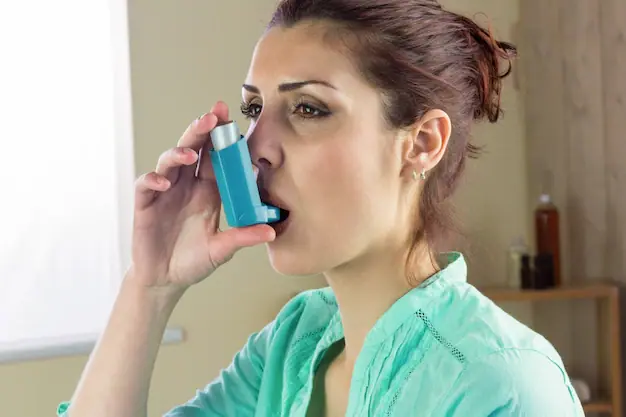
- Asthma flare-ups: People with asthma may experience more frequent or severe attacks due to airborne irritants.
- Allergic reactions: Mold spores and dust can trigger allergic symptoms like itchy eyes, runny nose, and skin rashes.
- Headaches and dizziness: VOCs from paints and adhesives are known to cause headaches, dizziness, and fatigue.
- Long-term risks: Prolonged exposure to certain chemicals may increase the risk of chronic respiratory diseases or even cancer in rare cases.
For a deeper look at how indoor air can trigger allergies, see our resource on air conditioning and allergy triggers.

How Dust and Chemicals Linger in the Air
Many people assume that once visible dust is wiped away, the air is clean. However, particles from construction activities are often so small they remain airborne for extended periods. These microscopic pollutants can settle deep into carpets, upholstery, and ventilation systems, only to be stirred up again by movement or airflow.
Chemical residues, especially VOCs, are released slowly from new materials in a process called off-gassing. This can continue for weeks or months, particularly in spaces with limited fresh air exchange. Keeping windows closed for security or energy reasons can trap these contaminants indoors, as discussed in our article on closed windows and breathing problems.
Who Is Most at Risk from Construction-Related Indoor Pollution?
While everyone can be affected by poor indoor air quality, certain groups are more vulnerable:
- Children: Their developing lungs and immune systems are more sensitive to airborne toxins.
- Older adults: Age-related changes in lung function make seniors more susceptible to respiratory irritation.
- People with asthma or allergies: Even low levels of dust or mold can trigger symptoms.
- Individuals with compromised immune systems: Those undergoing medical treatments or with chronic illnesses may experience more severe reactions.
If you or your family members fall into one of these categories, it’s especially important to address indoor pollution after any construction or renovation.
Effective Ways to Minimize Post-Building Air Pollution
Taking steps to reduce airborne contaminants after construction can make a significant difference for your health and comfort. Here are some practical strategies:
- Deep cleaning: Use HEPA-filter vacuums and damp dusting to remove fine particles from all surfaces, including walls, ceilings, and hidden corners.
- Ventilation: Open windows and doors whenever possible to allow fresh air to circulate and dilute indoor pollutants. If outdoor air quality is poor, use air purifiers with HEPA and activated carbon filters.
- Air duct cleaning: Have HVAC systems and ducts professionally cleaned to prevent recirculation of dust and debris.
- Monitor humidity: Keep indoor humidity between 30% and 50% to discourage mold growth.
- Delay occupancy: If possible, wait several days before moving into a newly finished space to allow time for off-gassing and dust settling.
For more on how seasonal changes can affect indoor air quality, see our insights on polluted indoor air during summer.
Recognizing Symptoms of Exposure to Construction Pollutants
It’s not always easy to tell when indoor air is affecting your health. Watch for these common signs:
- Persistent coughing or throat irritation
- Unexplained headaches or dizziness
- Worsening asthma or allergy symptoms
- Fatigue or difficulty concentrating
- Itchy or watery eyes
If symptoms improve when you leave the building, indoor pollutants may be the cause. In such cases, improving ventilation and cleaning practices can help, but severe or ongoing symptoms should be evaluated by a healthcare professional.
Expert Insights and Additional Resources
Medical experts emphasize the importance of maintaining clean indoor air, especially after construction or renovation. According to the American Lung Association, exposure to indoor pollutants can worsen asthma and other respiratory conditions. For a detailed overview, see their article on asthma and indoor air quality.
Staying informed and proactive is the best way to protect your health and that of your loved ones when moving into or living in a recently renovated space.
Frequently Asked Questions
How long do construction-related pollutants remain in the air?
The duration depends on the type of pollutants and the level of ventilation. Fine dust can linger for days or weeks, while VOCs from paints and adhesives may off-gas for several months. Regular cleaning and good airflow help reduce these contaminants more quickly.
Is it safe to move in immediately after construction?
It’s best to wait at least a few days, if possible, to allow dust to settle and chemical fumes to dissipate. Deep cleaning and airing out the space before occupancy can significantly reduce health risks.
Can air purifiers help with post-construction air quality?
Yes, air purifiers equipped with HEPA and activated carbon filters are effective at capturing fine particles and reducing chemical odors. They are especially useful in rooms where opening windows is not practical.