Indoor air quality is a growing concern for homeowners and businesses alike. As people spend more time indoors, ensuring the air is clean and healthy becomes a top priority. Two popular solutions for improving air quality within HVAC systems are UV lights and electronic air cleaners. Each technology offers unique benefits and works differently to address airborne contaminants. Understanding the differences between these options can help you make an informed decision for your property.
Before diving into the details, it’s important to recognize the role of HVAC system enhancements in maintaining a healthy environment. For those interested in how these solutions interact with ductwork, you can learn more about air duct health and uv technology and how it impacts overall system performance.
How UV Lights Work in HVAC Systems
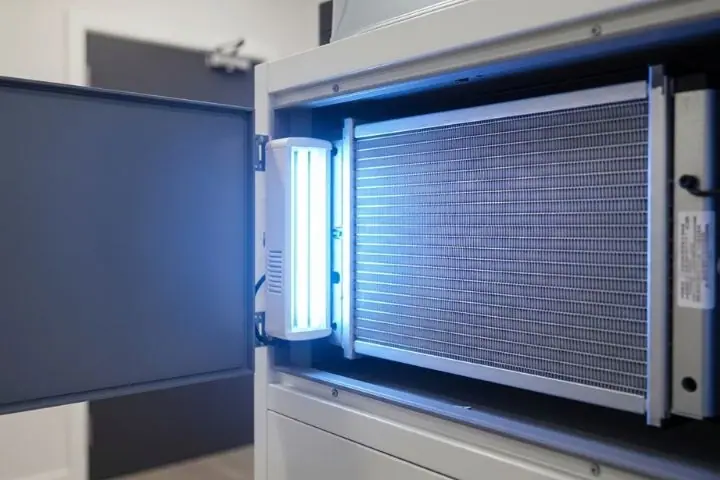
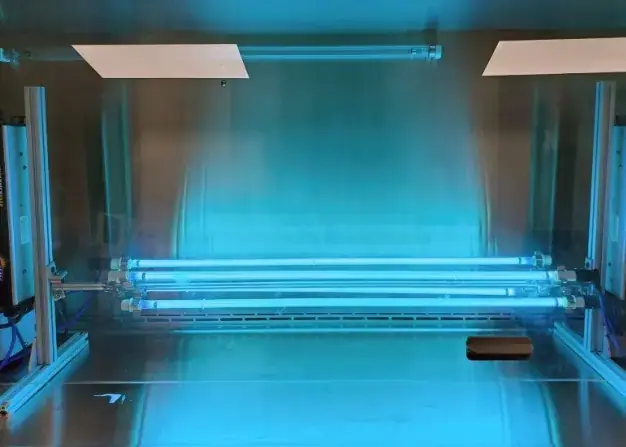
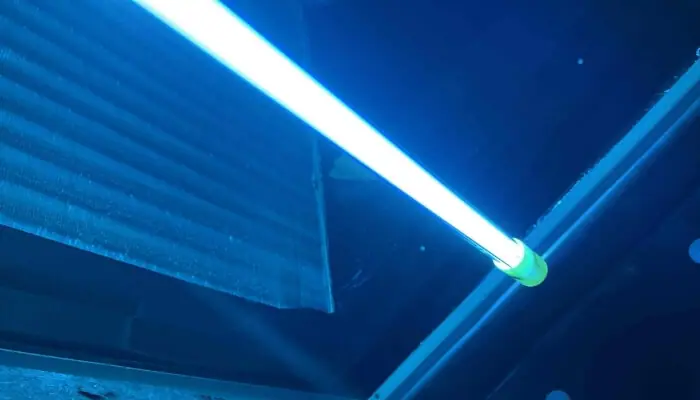
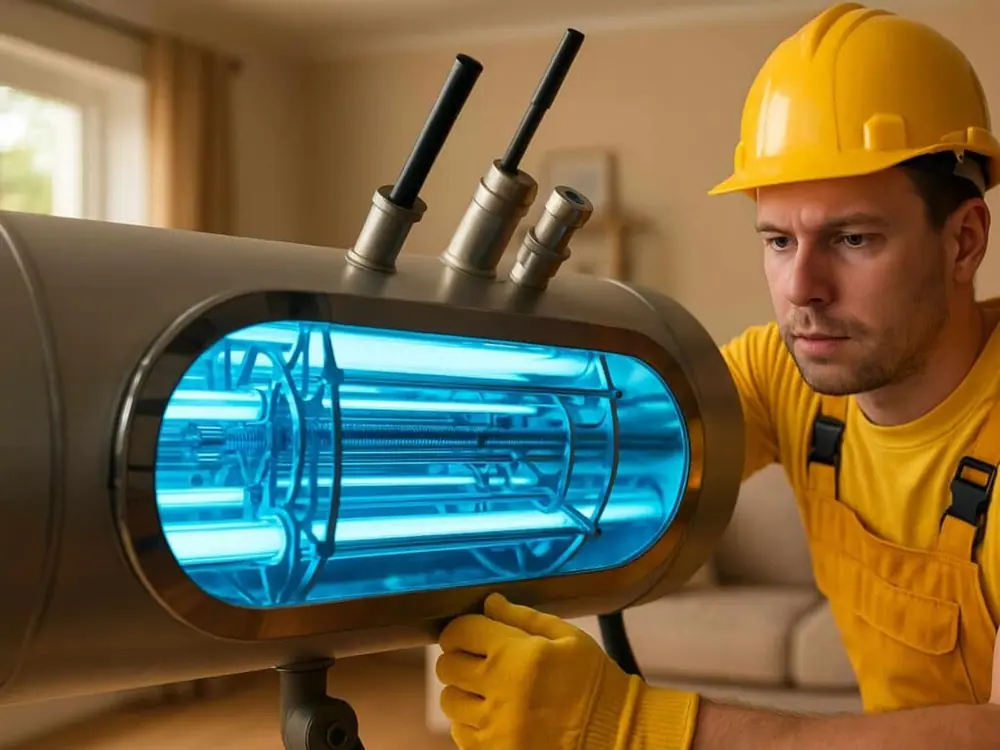
Ultraviolet (UV) lights are installed inside HVAC systems, typically near the evaporator coil or in the ductwork. These lights emit UV-C radiation, which is effective at disrupting the DNA of microorganisms such as bacteria, viruses, and mold spores. By doing so, UV lights help sterilize the air as it passes through the system, reducing the presence of harmful pathogens.
One of the main advantages of UV lights is their ability to target biological contaminants that traditional filters might miss. This makes them especially useful in environments where mold growth or microbial contamination is a concern. For more on how UV technology can help in specific situations, see our article on uv light for high-humidity environments.
Understanding Electronic Air Cleaners
Electronic air cleaners (EACs) use electrical charges to capture airborne particles. These devices are usually installed in the return air duct of an HVAC system. As air flows through the cleaner, particles are given an electrical charge and then attracted to oppositely charged collector plates. This process removes dust, pollen, smoke, and other fine particulates from the air.
Unlike UV lights, electronic air cleaners primarily target non-living contaminants. They are highly effective at reducing allergens and particulate matter, making them a good choice for households with allergy sufferers or those concerned about dust and smoke. However, EACs do not neutralize viruses or bacteria in the same way UV lights do.
Comparing UV Lights and Electronic Air Cleaners: Key Differences
When considering uv light vs electronic air cleaner solutions, it’s essential to understand how each addresses air quality challenges. Here’s a breakdown of their main differences:
| Feature | UV Lights | Electronic Air Cleaners |
|---|---|---|
| Target Contaminants | Bacteria, viruses, mold spores | Dust, pollen, smoke, pet dander |
| How It Works | Destroys DNA of microorganisms with UV-C light | Charges and traps particles on collector plates |
| Maintenance | Replace bulbs annually | Clean collector plates regularly |
| Effect on Allergens | Limited | High |
| Effect on Pathogens | High | Limited |
| Energy Use | Low | Moderate |
Benefits and Drawbacks of Each Technology
Both UV lights and electronic air cleaners offer distinct advantages, but they also come with limitations. Here’s what to consider when choosing between these two HVAC upgrades:
Advantages of UV Lights
- Effective at reducing mold, bacteria, and viruses in the HVAC system.
- Helps prevent microbial growth on coils and in ductwork.
- Low maintenance—typically requires annual bulb replacement.
- Minimal impact on airflow and system efficiency.
Drawbacks of UV Lights
- Limited impact on dust, pollen, and other non-living particulates.
- Bulbs need periodic replacement to maintain effectiveness.
- Installation location is critical for optimal performance.
Advantages of Electronic Air Cleaners
- Highly effective at removing fine particles, allergens, and smoke.
- Can improve comfort for allergy and asthma sufferers.
- Reusable collector plates reduce the need for frequent filter changes.
Drawbacks of Electronic Air Cleaners
- Do not neutralize viruses or bacteria.
- Require regular cleaning of collector plates for optimal performance.
- Some models may produce trace amounts of ozone, which can be a concern for sensitive individuals.
For a deeper dive into the pros and cons of UV technology, see this comprehensive guide on UV light in HVAC systems.
Which Solution Is Right for Your HVAC System?
The choice between UV lights and electronic air cleaners depends on your specific air quality concerns. If you are primarily worried about germs, viruses, or mold, UV technology is a strong option. For those who want to reduce dust, pollen, and smoke, electronic air cleaners may be more suitable. In some cases, combining both technologies provides the most comprehensive protection.
It’s also important to consider your HVAC system’s configuration, your maintenance preferences, and any health sensitivities in your household. Consulting with a qualified HVAC professional can help you assess your needs and select the right solution. For further reading on optimizing your system, check out our guide on improving hvac cleanliness with uv light.
Maintenance and Longevity Considerations
Proper maintenance ensures that both UV lights and electronic air cleaners operate at peak efficiency. UV bulbs typically need to be replaced once a year, while collector plates in EACs should be cleaned every few months. Neglecting maintenance can reduce effectiveness and may even lead to system issues over time.
When installed and maintained correctly, both solutions can last for several years. However, the actual lifespan will depend on usage, environmental factors, and adherence to recommended upkeep schedules. For those concerned about moisture and mold in ductwork, our article on uv light and duct moisture control offers additional insights.
Frequently Asked Questions
Do UV lights and electronic air cleaners work together?
Yes, these technologies can be used in tandem for enhanced air purification. UV lights target biological contaminants, while electronic air cleaners remove particulates. Combining both can offer comprehensive protection against a wide range of indoor air pollutants.
Are there any health risks associated with UV lights or electronic air cleaners?
When installed and maintained properly, both options are generally safe. UV lights are enclosed within the HVAC system and do not expose occupants to radiation. Some electronic air cleaners may produce small amounts of ozone, so it’s important to choose models designed to minimize this effect.
How do I know which air cleaning solution is best for my home?
Consider your primary air quality concerns—whether they are biological contaminants or particulates. Consulting with an HVAC professional can help you evaluate your needs and recommend the most effective solution for your environment.
What is the cost difference between UV lights and electronic air cleaners?
UV lights tend to have a lower upfront cost but require periodic bulb replacement. Electronic air cleaners may have a higher initial investment but feature reusable plates, reducing ongoing filter costs. Installation and maintenance expenses should also be factored into your decision.
Conclusion
Choosing between UV lights and electronic air cleaners for your HVAC system comes down to your specific air quality needs and maintenance preferences. UV technology excels at neutralizing germs and mold, while electronic air cleaners are best for capturing dust and allergens. For many, a combined approach yields the best results. If you’re ready to enhance your indoor air quality or need expert advice, contact us to get a quote and take the next step toward a healthier home or business.