Managing indoor air quality in areas with persistent moisture is a challenge for homeowners and facility managers alike. High humidity creates ideal conditions for mold, mildew, and bacteria to thrive, especially in HVAC systems and ductwork. One of the most effective solutions for combating these issues is the use of UV light for high-humidity environments. This technology targets airborne contaminants at the source, helping to keep indoor spaces healthier and reducing the risk of costly mold remediation.
Understanding how ultraviolet germicidal irradiation (UVGI) works, where it’s most effective, and how to integrate it with your existing HVAC setup is crucial for anyone dealing with damp climates or moisture-prone buildings. In this article, we’ll explore the science behind UV disinfection, its benefits, and practical tips for choosing and maintaining the right system for your needs.
For a deeper dive into related topics, such as how UV technology impacts ductwork and indoor air, see our guide on air duct health and uv technology.
Why Moisture-Prone Spaces Need UV Disinfection
Environments with elevated humidity—such as basements, crawl spaces, indoor pools, and certain commercial facilities—are at a higher risk for microbial growth. Mold spores and bacteria can quickly colonize damp surfaces, leading to unpleasant odors, potential health hazards, and even damage to building materials. Traditional cleaning methods often fall short in these settings, as moisture can linger in hidden or hard-to-reach areas.
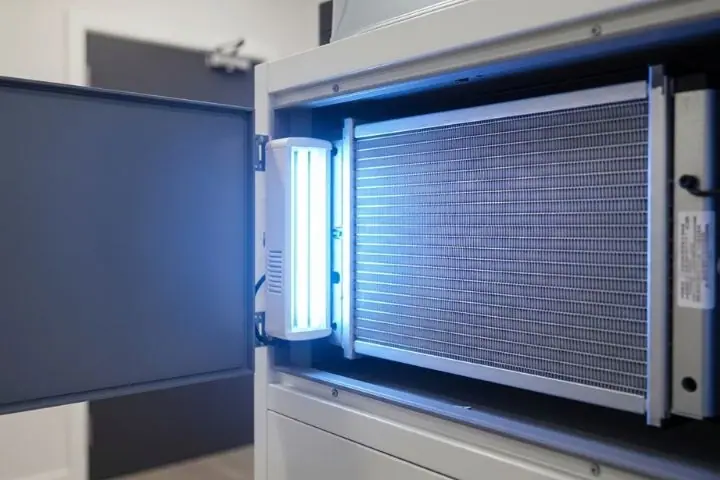
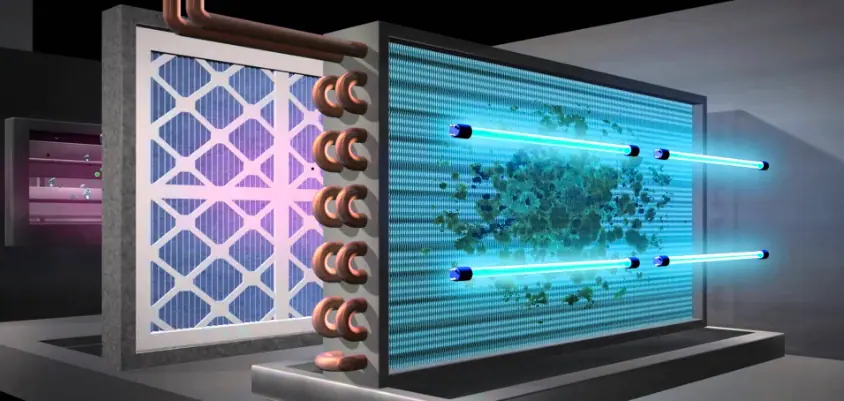
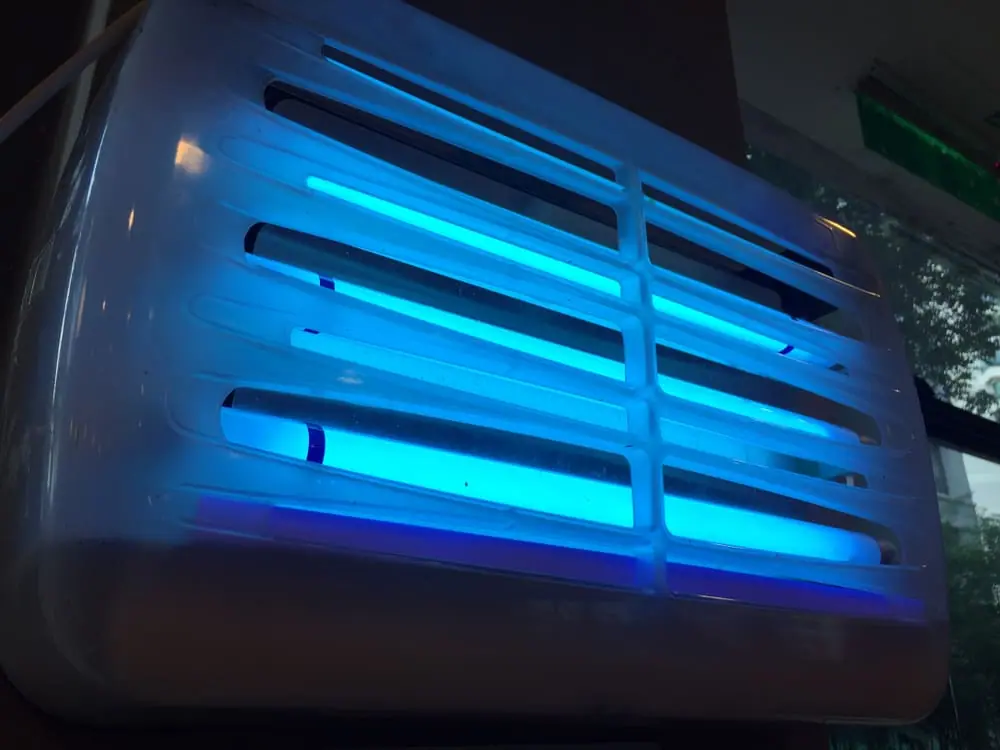
Installing UV light for high-humidity environments directly inside HVAC systems or ductwork provides continuous, chemical-free protection. The ultraviolet rays disrupt the DNA of microorganisms, rendering them unable to reproduce. This not only helps prevent mold outbreaks but also improves overall air quality by reducing allergens and pathogens circulating through the ventilation system.
How UV Light Works to Control Mold and Bacteria
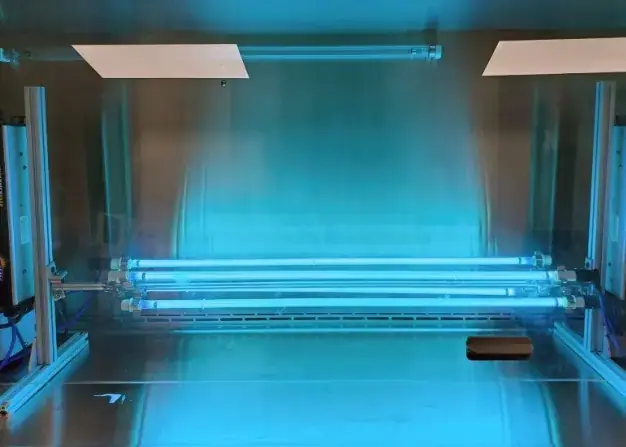
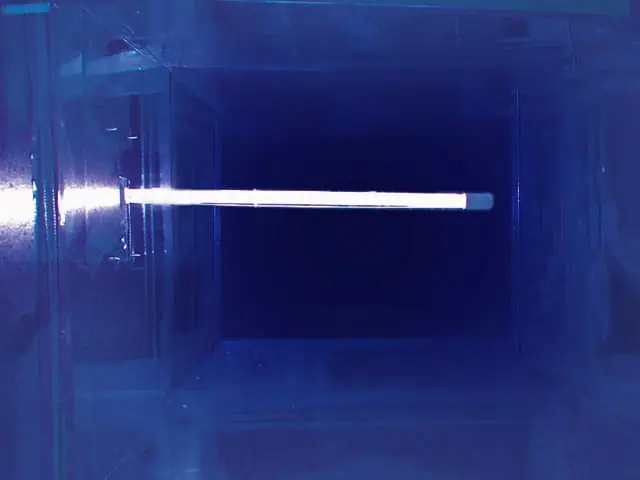
Ultraviolet-C (UVC) light, with wavelengths between 200–280 nanometers, is highly effective at neutralizing a wide range of microbes. When installed in HVAC systems, these lamps emit germicidal energy that targets airborne contaminants as air passes through the ducts or across the cooling coils. The result is a significant reduction in mold spores, bacteria, and even some viruses.
Key advantages of using UV disinfection in humid environments include:
- Continuous protection: UV lamps operate around the clock, providing ongoing defense against microbial growth.
- Chemical-free solution: No harsh cleaning agents or sprays are needed, making it safer for people and the environment.
- Improved HVAC efficiency: By keeping coils and ductwork cleaner, UV systems can help maintain optimal airflow and reduce energy consumption.
For more information on the synergy between UV lamps and moisture control, explore our in-depth article on uv light and duct moisture control.
Choosing the Right UV System for Damp Conditions
Not all UV lamps are created equal. When selecting a system for areas with persistent moisture, consider the following factors:
- Wattage and coverage: Higher wattage lamps provide more intense germicidal action and can cover larger duct or coil surfaces.
- Placement: Positioning the lamp near the evaporator coil or inside return ducts maximizes exposure to microbes where they are most likely to accumulate.
- Durability: Look for systems designed to withstand humid conditions, with sealed housings and moisture-resistant components.
- Maintenance: UV bulbs lose effectiveness over time and typically require annual replacement. Choose models with easy-access features for hassle-free upkeep.
Consulting with a qualified HVAC professional can help you determine the best configuration for your specific building and climate.
Installation and Maintenance Tips for UV Lamps
Proper installation is key to maximizing the benefits of UV disinfection. Here are some best practices:
- Ensure the lamp is installed in a location with maximum airflow and direct line-of-sight to surfaces prone to microbial growth.
- Follow manufacturer guidelines for electrical connections and safety precautions.
- Schedule regular inspections to check for dust buildup, bulb degradation, or electrical issues.
- Replace bulbs at the recommended interval, even if they still appear to be working, as their germicidal output diminishes over time.
Routine maintenance not only preserves the effectiveness of your UV system but also extends the lifespan of your HVAC equipment by keeping coils and ducts cleaner.
Benefits Beyond Mold Prevention
While the primary goal of installing UV light for high-humidity environments is to stop mold, there are several additional advantages:
- Healthier indoor air: UV systems help reduce allergens, bacteria, and viruses, supporting better respiratory health.
- Odor control: By neutralizing mold and mildew at the source, UV lamps can help eliminate musty smells common in damp spaces.
- Lower maintenance costs: Cleaner coils and ducts mean fewer breakdowns and less frequent professional cleanings.
- Energy savings: Efficient airflow and reduced microbial buildup can lead to lower utility bills over time.
To further enhance your mold prevention strategy, consider reviewing our recommendations for reducing mold risk in ductwork and improving hvac cleanliness with uv light.
What to Expect After Installing UV Disinfection
Once a UV system is in place, most users notice a reduction in visible mold, improved air freshness, and fewer allergy symptoms. However, UV lamps are most effective as part of a comprehensive moisture management plan. This includes controlling humidity levels, repairing leaks, and ensuring proper ventilation throughout the building.
For families with children or individuals with respiratory sensitivities, UV disinfection can be especially beneficial. Learn more about these advantages in our article on uv light and children’s indoor air quality.
If you want to explore the broader benefits of UV systems, check out this comprehensive overview of UV light system advantages for air conditioners.
Frequently Asked Questions
How effective are UV lamps at stopping mold in humid areas?
When properly installed and maintained, UV lamps can significantly reduce mold spores and microbial growth in HVAC systems and ductwork. They work best when combined with other moisture control measures, such as dehumidifiers and proper ventilation.
Are UV systems safe for use in homes and businesses?
Yes, UV disinfection is safe when installed according to manufacturer instructions. The lamps are typically enclosed within the HVAC system, minimizing direct exposure to occupants. Always follow safety guidelines and schedule regular maintenance.
How often should UV bulbs be replaced?
Most UV bulbs require replacement every 12 months, even if they still emit visible light. Over time, their germicidal effectiveness decreases. Regular replacement ensures optimal performance and continued protection against mold and bacteria.
Conclusion
For those facing persistent moisture and mold challenges, integrating UV light for high-humidity environments into your HVAC system offers a proactive, low-maintenance solution. By neutralizing harmful microbes at the source, UV technology supports healthier air, protects your property, and can even improve energy efficiency. For tailored advice and installation support, reach out to a trusted HVAC professional or Contact Us to Get a Quote today.