As indoor air quality becomes a growing concern for homeowners and businesses, the use of UV light integration with modern HVAC units is gaining traction. This technology is designed to enhance air purification, reduce contaminants, and support healthier living and working environments. By leveraging ultraviolet light, HVAC systems can neutralize airborne pathogens, mold spores, and other pollutants that traditional filters might miss.
Understanding how UV technology works within heating, ventilation, and air conditioning systems can help you make informed decisions about upgrading your indoor air quality solutions. For those interested in the relationship between ductwork and UV solutions, our guide on air duct health and uv technology provides further insights.
How UV Light Works in HVAC Systems
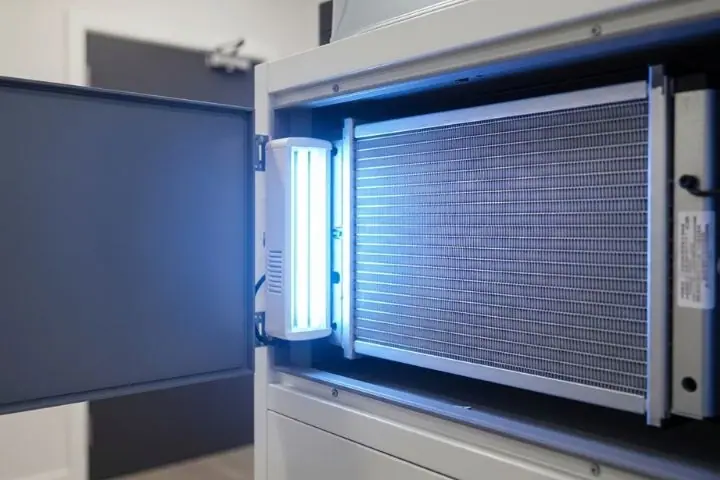
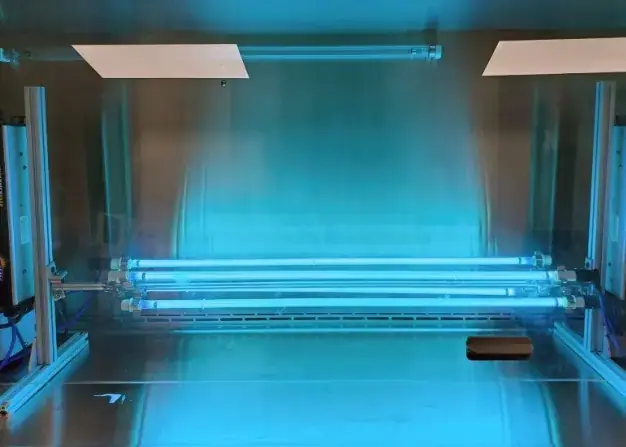
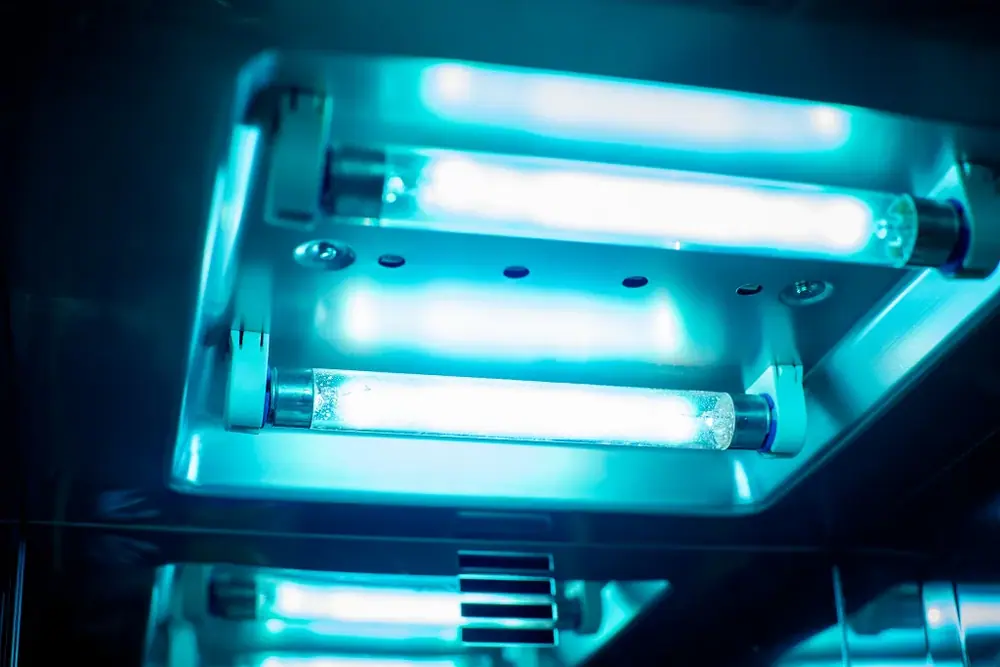
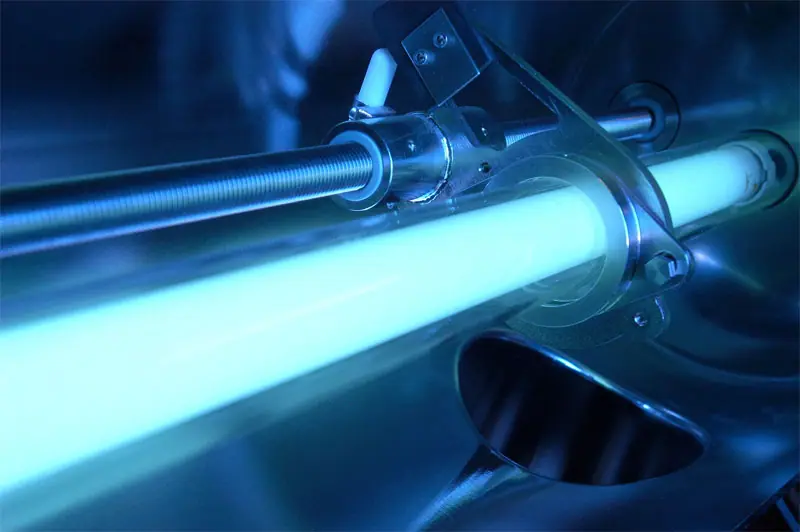
Ultraviolet light, particularly UV-C, has long been used in medical and laboratory settings to disinfect surfaces and air. When applied to HVAC systems, UV lamps are installed inside the air handler or ductwork. As air passes through the system, the UV light disrupts the DNA of microorganisms such as bacteria, viruses, and mold, rendering them inactive and unable to reproduce.
This process is especially effective in high-humidity environments where mold growth is a persistent issue. For more on managing moisture and mold, see our article on uv light and duct moisture control.
Benefits of Incorporating UV Technology in Modern HVAC Units
Integrating UV lamps into HVAC units offers several advantages:
- Enhanced Air Quality: UV light neutralizes a wide range of airborne pathogens, improving overall indoor air quality.
- Reduced Mold and Bacteria: By targeting the coils and drain pans—areas prone to moisture—UV lamps help prevent mold and bacterial growth.
- Lower Maintenance Needs: Cleaner coils and ductwork mean less frequent cleaning and improved system efficiency.
- Energy Efficiency: Unobstructed coils allow for better airflow and heat exchange, potentially reducing energy consumption.
For those dealing with persistent mold issues, our resource on uv light for high-humidity environments explores targeted solutions.
Types of UV Light Systems for HVAC Applications
There are two primary types of UV solutions used in HVAC systems:
- Coil Sterilization: A UV lamp is placed near the evaporator coil, continuously bathing it in UV-C light to prevent microbial growth on damp surfaces.
- Air Sterilization: These systems use UV lamps installed in the return air duct, disinfecting moving air as it circulates through the system.
Each approach offers unique benefits. Coil sterilization is particularly effective for preventing mold and biofilm buildup, while air sterilization targets airborne pathogens throughout the home or building.
Installation and Maintenance Considerations
Proper installation is crucial for the effectiveness of UV light in HVAC systems. Placement, lamp intensity, and exposure time all influence how well the system neutralizes contaminants. Professional installation ensures that the UV lamps are positioned to maximize exposure and safety.
Maintenance typically involves replacing the UV bulbs every 12 to 24 months, depending on the manufacturer’s recommendations. Regular inspections help ensure the system continues to operate efficiently and safely.
Potential Limitations and Safety Aspects
While UV technology offers significant benefits, it is important to be aware of its limitations:
- Limited Range: UV light only disinfects surfaces and air that pass directly through its field. Areas not exposed to the light remain untreated.
- Material Degradation: Prolonged exposure can degrade certain plastics and rubber components within the HVAC system.
- Safety Precautions: Direct exposure to UV-C light is harmful to skin and eyes. Systems are designed to operate safely within enclosed ductwork or air handlers, but proper installation and maintenance are essential.
For a deeper look at keeping HVAC systems clean, explore our guide on improving hvac cleanliness with uv light.
Comparing UV Integration to Other Air Quality Solutions
While UV lamps are effective against biological contaminants, they are not a substitute for traditional filtration. HEPA filters, electrostatic filters, and activated carbon filters each target different types of pollutants such as dust, pollen, and VOCs. Combining UV technology with high-quality filtration provides a comprehensive approach to indoor air quality.
For those seeking to minimize mold risk in ductwork, our article on reducing mold risk in ductwork covers additional strategies.
Who Should Consider UV Light in Their HVAC System?
UV integration is particularly beneficial for:
- Homes and buildings in humid climates where mold growth is common
- Allergy and asthma sufferers seeking cleaner indoor air
- Medical facilities, schools, and offices with high occupancy
- Anyone looking to reduce maintenance and improve system efficiency
For a detailed overview of the advantages, see this summary of UV light air purifier benefits.
Cost Considerations and Return on Investment
The initial investment for UV lamp installation varies depending on system size and type. While upfront costs can range from a few hundred to over a thousand dollars, many users find that the benefits—reduced maintenance, improved air quality, and potential energy savings—justify the expense. Regular maintenance and timely bulb replacement are essential to ensure ongoing effectiveness and maximize return on investment.
Frequently Asked Questions
Does UV Light Integration Eliminate All Indoor Air Contaminants?
UV technology is highly effective against biological contaminants like bacteria, viruses, and mold spores. However, it does not remove dust, pet dander, or chemical pollutants. Combining UV lamps with high-efficiency filters offers the most comprehensive air purification.
Is UV Light Safe for My HVAC System and Home?
When installed and maintained correctly, UV lamps are safe. The light is contained within the HVAC system, preventing exposure to occupants. It is important to follow manufacturer guidelines and schedule regular maintenance to ensure safety and effectiveness.
How Often Should UV Lamps Be Replaced?
Most UV bulbs require replacement every 12 to 24 months, depending on usage and manufacturer recommendations. Regular inspections help maintain optimal performance and safety.