Central air conditioning systems are essential for maintaining comfortable indoor environments, but they can also become breeding grounds for bacteria, mold, and other contaminants. One increasingly popular solution for improving indoor air quality is the integration of UV light in central air conditioning systems. This technology uses ultraviolet radiation to neutralize harmful microorganisms, helping to keep the air cleaner and the system itself more efficient.
Understanding how UV technology works within HVAC setups can help homeowners and facility managers make informed decisions about air quality and system maintenance. In this article, we’ll break down the science, benefits, installation considerations, and maintenance tips for using UV lamps in your central AC unit. For those interested in a deeper dive into related topics, our guide on air duct health and uv technology provides additional insights into maintaining a healthier HVAC system.
How Ultraviolet Technology Works in HVAC Systems
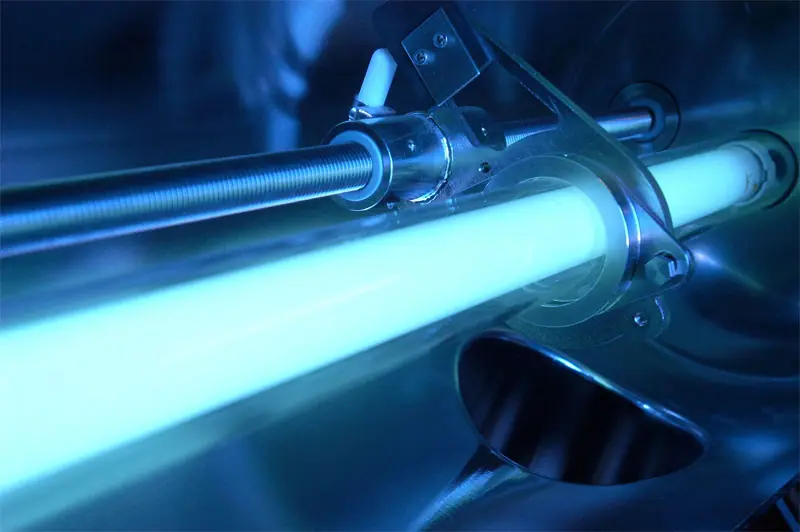
Ultraviolet (UV) light is a form of electromagnetic radiation, invisible to the human eye, that has been used for decades to disinfect water, surfaces, and air. When installed inside a central air conditioning system, UV lamps emit short-wavelength light (typically UV-C) that disrupts the DNA and RNA of microorganisms such as bacteria, viruses, and mold spores. This process renders these contaminants inactive and unable to reproduce.
There are two main types of UV installations for HVAC systems:
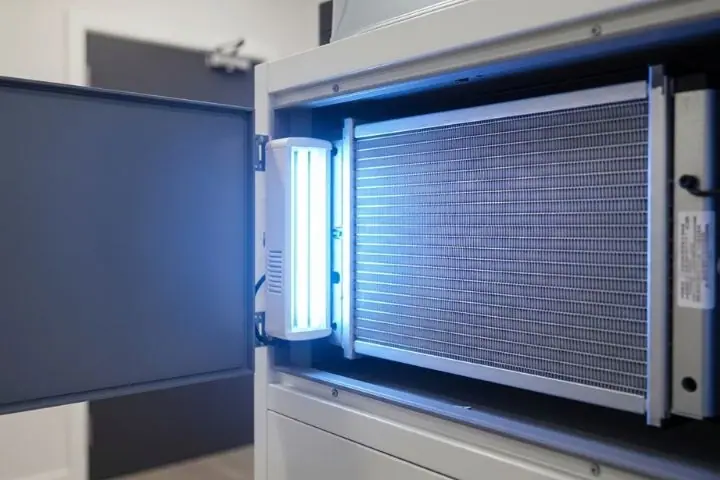
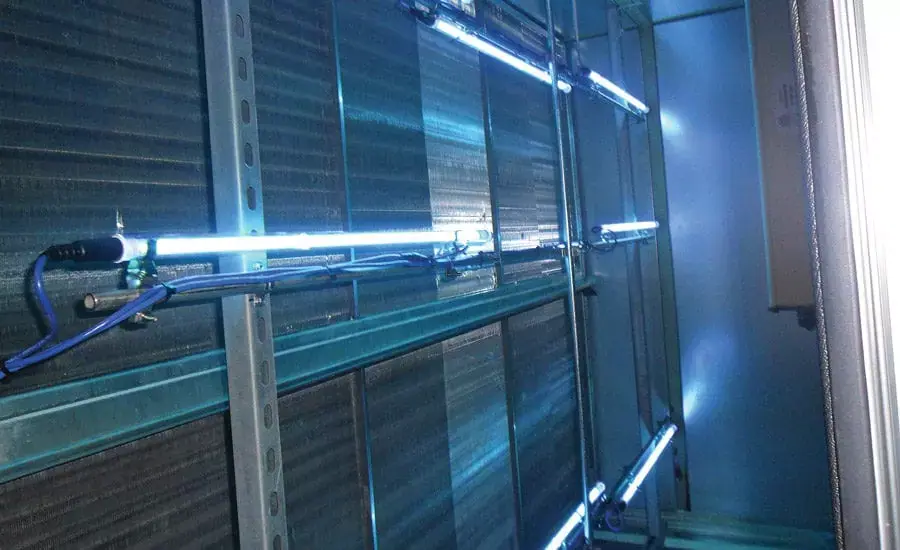
- Coil sterilization: UV lamps are placed near the evaporator coil to prevent mold and biofilm buildup on the coil’s surface.
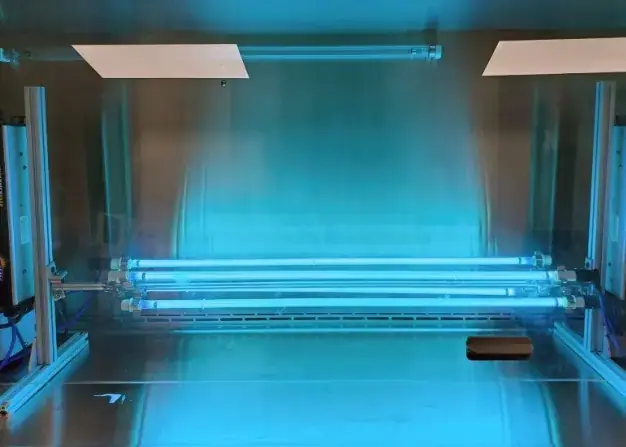
- Air sterilization: UV lamps are installed in the ductwork to treat moving air as it passes through the system, targeting airborne pathogens.
Both methods can be used separately or together, depending on the specific needs of the building and the level of air quality desired.
Key Benefits of Integrating UV Lamps in Central AC Units
Adding UV light solutions to central air conditioning systems offers several advantages for both residential and commercial properties:
- Improved indoor air quality: UV lamps help reduce the concentration of airborne microorganisms, leading to fresher, healthier air.
- Mold and bacteria control: By neutralizing mold spores and bacteria, UV technology helps prevent unpleasant odors and potential health issues.
- Enhanced HVAC efficiency: Keeping coils and other internal components clean allows the system to operate more efficiently, potentially lowering energy costs.
- Reduced maintenance needs: With fewer contaminants accumulating inside the system, filters and coils require less frequent cleaning and replacement.
For those dealing with high humidity or persistent mold issues, our article on uv light for high-humidity environments explores how UV technology can be particularly effective in challenging conditions.
Installation Considerations for UV Lamps in Central Air Systems
Before adding ultraviolet light to your central air conditioning system, it’s important to consider a few key factors:
- System compatibility: Not all HVAC systems are designed to accommodate UV lamps. Consult with a qualified HVAC professional to determine if your system can be retrofitted.
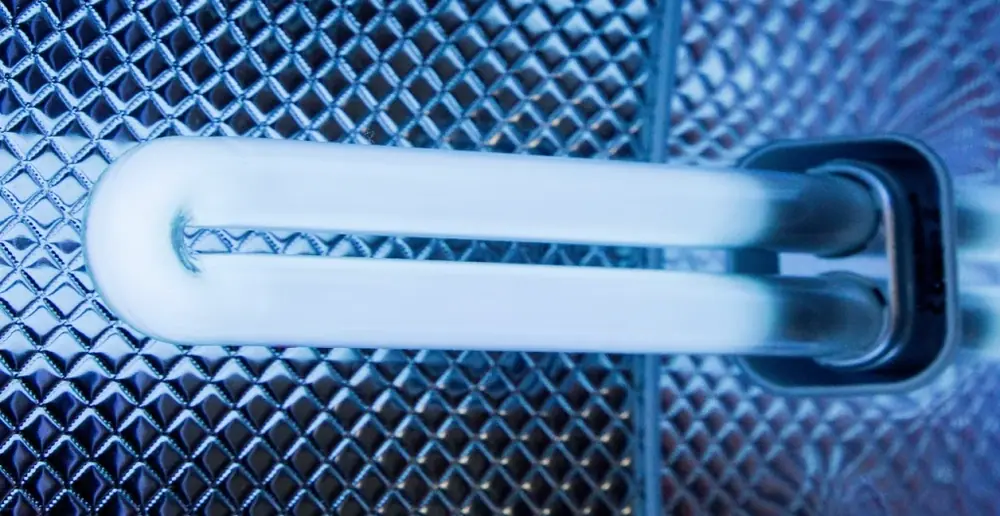
- Placement: Proper placement of UV lamps is crucial for maximum effectiveness. Lamps should be installed where they can irradiate the coil or airflow without causing damage to plastic or sensitive components.
- Safety: UV-C light can be harmful to skin and eyes. All installations should be performed by trained technicians, and safety interlocks or shields should be used to prevent accidental exposure during maintenance.
- Power supply: UV lamps require a dedicated power source. Ensure that the electrical setup meets the manufacturer’s requirements.
For a comprehensive overview of how UV technology can help with duct moisture and mold, see our in-depth resource on uv light and duct moisture control.
Maintenance and Longevity of UV Systems in HVAC
Maintaining UV light solutions in central air conditioning is relatively straightforward, but regular attention is necessary to ensure optimal performance:
- Lamp replacement: Most UV lamps have a lifespan of 9–12 months. Replace lamps according to the manufacturer’s schedule, even if they still appear to be working, as their effectiveness diminishes over time.
- Cleaning: Dust and debris can accumulate on the lamp’s surface, reducing its output. Gently clean lamps during routine HVAC maintenance.
- System inspection: Have a professional inspect the entire UV system annually to check for wiring issues, lamp degradation, or other concerns.
Regular maintenance not only ensures the continued effectiveness of the UV system but also helps extend the life of your HVAC equipment. For more on keeping your system clean, our article on improving hvac cleanliness with uv light offers practical tips and strategies.
Potential Limitations and Considerations
While UV light in central air conditioning systems offers significant benefits, it’s important to be aware of its limitations:
- Targeted effectiveness: UV lamps are most effective against microorganisms directly exposed to the light. Dust or debris can shield pathogens, so filtration and regular cleaning remain important.
- No removal of particulates: UV technology neutralizes biological contaminants but does not remove dust, pollen, or other non-living particles. High-quality filters should be used in conjunction.
- Initial investment: Installation costs can vary, and there may be ongoing expenses for lamp replacement and maintenance.
- Professional installation required: Improper installation can reduce effectiveness or create safety hazards. Always use certified HVAC technicians.
For those seeking additional strategies to address mold and air quality, our guide on reducing mold risk in ductwork provides actionable advice for homeowners and facility managers.
Comparing UV Technology to Other Air Quality Solutions
UV lamps are just one component of a comprehensive indoor air quality strategy. Here’s how they compare to other common solutions:
| Solution | Main Benefit | Limitations |
|---|---|---|
| UV Lamps | Neutralizes bacteria, viruses, and mold | Does not remove particulates; requires maintenance |
| HEPA Filters | Traps dust, pollen, and other particles | Does not neutralize microorganisms |
| Ionizers | Reduces airborne particles | May produce ozone; effectiveness varies |
| Dehumidifiers | Controls moisture, helps prevent mold | Does not address airborne pathogens |
For a broader perspective on indoor air quality, the article on how UV light enhances indoor air quality offers additional context and comparisons.
Frequently Asked Questions
Are UV Lamps Safe for Home Use?
When installed and maintained properly, UV lamps are safe for use in residential and commercial HVAC systems. The lamps are typically enclosed within the system, preventing direct exposure to occupants. However, only trained professionals should handle installation and maintenance to avoid accidental exposure to UV-C light.
How Often Should UV Lamps Be Replaced?
Most manufacturers recommend replacing UV lamps every 9 to 12 months. Even if the lamp still emits visible light, its germicidal effectiveness diminishes over time. Regular replacement ensures that the system continues to neutralize microorganisms effectively.
Can UV Lamps Eliminate Mold in Ductwork?
UV lamps are highly effective at preventing mold growth on surfaces directly exposed to the light, such as coils and nearby ductwork. However, they may not reach all areas within the ducts. Combining UV technology with regular duct cleaning and moisture control provides the best results for mold prevention.
Will UV Lamps Affect the Performance of My HVAC System?
When installed correctly, UV lamps do not negatively impact HVAC performance. In fact, by keeping coils and internal components cleaner, they can help maintain or even improve system efficiency over time.
Conclusion
Integrating UV light in central air conditioning systems is a proven method for enhancing indoor air quality, reducing microbial contamination, and supporting the overall efficiency of your HVAC setup. While not a standalone solution, UV technology works best when combined with proper filtration, humidity control, and routine maintenance. For tailored advice or to explore installation options, don’t hesitate to Contact Us to Get a Quote and discover how UV solutions can benefit your home or business.