Maintaining healthy indoor air quality is a growing concern for homeowners and businesses alike. With rising awareness of airborne pollutants, allergens, and microbial threats, many are seeking advanced solutions to keep their environments cleaner and safer. One technology gaining traction is the use of UV light for reducing indoor contaminants. By targeting microorganisms and organic particles in HVAC systems and air ducts, ultraviolet light can play a significant role in improving air quality and minimizing allergy triggers.
Understanding how UV technology works, its benefits, and practical applications can help you make informed decisions about integrating it into your indoor spaces. For those interested in broader strategies, exploring reducing mold risk in ductwork can provide additional insight into maintaining a cleaner HVAC system.
How Ultraviolet Light Technology Works in Air Systems
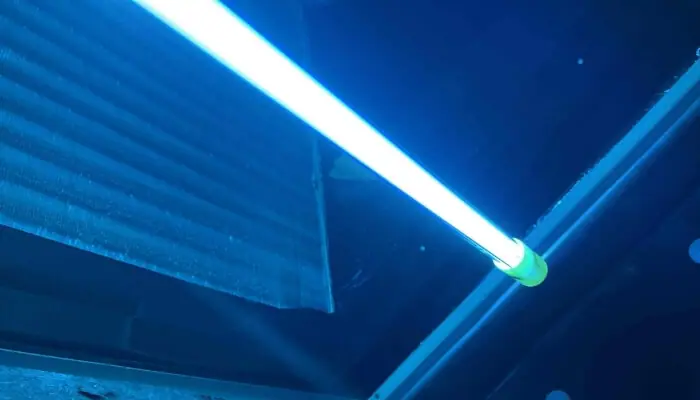
Ultraviolet (UV) light, particularly UV-C wavelengths, has long been recognized for its germicidal properties. When installed in HVAC systems, UV lamps emit energy that disrupts the DNA and RNA of microorganisms such as bacteria, viruses, and mold spores. This process inactivates these contaminants, preventing them from reproducing and spreading throughout the indoor environment.
There are two primary ways UV lamps are used in air systems:
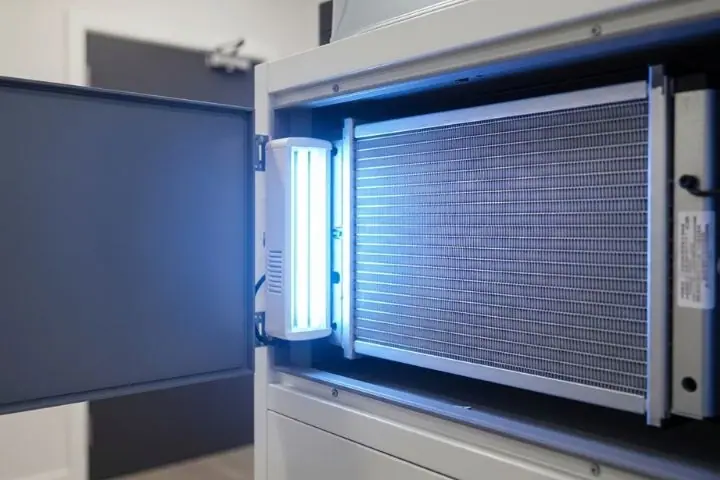
- Coil sterilization: UV lights are placed near the evaporator coil, where moisture and organic debris can accumulate, creating an ideal environment for mold and bacteria. The light continuously disinfects the coil surface, reducing microbial growth.
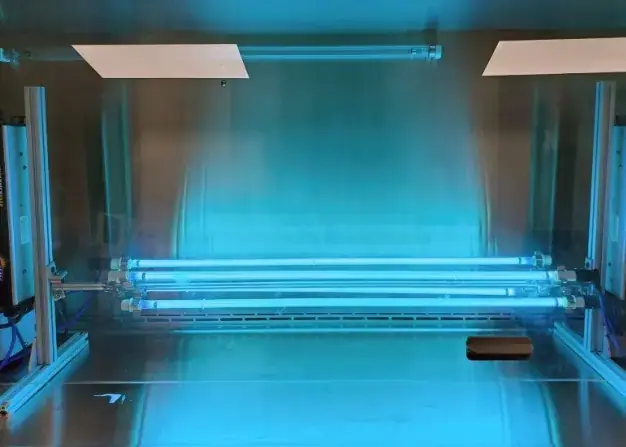
- Air sterilization: UV lamps are installed within the ductwork or air handler, treating moving air as it passes by. This method targets airborne pathogens and allergens, helping to reduce their presence in circulated air.
For those in humid regions or dealing with persistent moisture, additional information on uv light for high-humidity environments can be particularly useful.
Benefits of Using UV Light for Indoor Air Quality
Integrating UV light for reducing indoor contaminants into your HVAC system offers several advantages:
- Reduction of Allergens: UV technology helps neutralize common allergens like mold spores, pollen, and dust mite debris, making the air safer for allergy sufferers.
- Lower Microbial Load: By targeting bacteria and viruses, UV lamps can decrease the risk of airborne illnesses and infections.
- Improved HVAC Efficiency: Keeping coils and ducts cleaner allows the system to operate more efficiently, potentially reducing energy costs and maintenance needs.
- Odor Control: UV light can break down volatile organic compounds (VOCs) and organic odors, resulting in fresher indoor air.
These benefits are especially relevant for sensitive populations, such as children, the elderly, or those with respiratory conditions. For a deeper dive into best practices, see guidance on improving hvac cleanliness with uv light.
UV Light Placement and Installation Considerations
Proper placement is crucial for maximizing the effectiveness of UV systems. Most installations occur within the HVAC air handler or ductwork, where the light can reach the largest volume of air and surfaces. Professional installation is recommended to ensure safety, optimal lamp positioning, and compliance with manufacturer guidelines.
Key considerations include:
- System Compatibility: Not all HVAC systems are designed for UV lamp integration. Consult with a qualified technician to determine suitability.
- Maintenance: UV lamps lose intensity over time and should be replaced according to the manufacturer’s schedule, typically every 12–24 months.
- Safety: Direct exposure to UV-C light can be harmful to skin and eyes. Proper shielding and installation practices are essential to protect occupants and service personnel.
For those interested in the relationship between moisture, duct health, and UV, the article on uv light and duct moisture control provides further technical details.
Scientific Evidence and Effectiveness of UV Air Purification
Numerous studies have evaluated the impact of ultraviolet germicidal irradiation (UVGI) on indoor air quality. Research indicates that UV-C light can significantly reduce concentrations of airborne bacteria, viruses, and mold spores in controlled environments. For example, a peer-reviewed study on UV-C applications in HVAC systems found notable decreases in microbial contamination on cooling coils and within air streams.
However, effectiveness depends on factors such as lamp intensity, exposure time, air flow rates, and system design. UV technology is most effective as part of a comprehensive indoor air quality strategy, which may include filtration, humidity control, and regular maintenance.
To understand how UV solutions fit into broader air duct health, see the resource on air duct health and uv technology.
Choosing the Right UV System for Your Space
When considering a UV air purification system, evaluate the following:
- Type of Contaminants: Identify whether your primary concern is mold, bacteria, viruses, or allergens. Some systems are optimized for specific threats.
- System Size: Ensure the UV lamp is appropriately sized for your HVAC system’s capacity and airflow.
- Professional Assessment: A qualified HVAC professional can recommend the best solution based on your building’s layout, air quality needs, and budget.
Combining UV technology with other air quality measures, such as HEPA filtration and humidity management, can provide the most comprehensive protection against indoor pollutants.
Maintenance Tips for Lasting Results
To maintain the effectiveness of your UV system:
- Replace UV lamps as recommended by the manufacturer, even if they still appear to be working.
- Schedule regular HVAC inspections to check for dust buildup, lamp alignment, and system cleanliness.
- Keep air filters clean and replace them as needed to maximize airflow and UV exposure.
Routine care ensures that your investment in UV technology continues to deliver cleaner, healthier air for years to come.
Frequently Asked Questions
Can UV light eliminate all indoor air contaminants?
While UV technology is highly effective against many microorganisms, it does not remove particulate matter like dust or pet dander. For best results, combine UV systems with high-quality air filtration and other air quality strategies.
Is UV air purification safe for home use?
When installed and maintained properly, UV lamps are safe and do not emit ozone. However, direct exposure to UV-C light should be avoided. Always rely on professional installation to ensure safety measures are in place.
How long does it take to see improvements in air quality?
Many users notice a reduction in odors and allergy symptoms within days or weeks of installation. The timeline depends on the level of existing contamination and the overall condition of your HVAC system.