Unpleasant odors in indoor environments are a common concern for both homeowners and businesses. These smells can originate from mold, bacteria, pet dander, cooking, or even chemical sources circulating through HVAC systems. Traditional cleaning methods often fall short, as many odor-causing contaminants reside deep within ductwork or on HVAC components. This is where uv light for odor control in hvac systems offers a modern, effective solution. By harnessing the power of ultraviolet technology, it’s possible to neutralize odors at their source, leading to fresher, healthier indoor air.
Understanding how UV technology works and its benefits for air quality can help you make informed decisions about your HVAC maintenance. If you’re interested in the broader advantages of UV solutions, the article on air duct health and uv technology provides additional insights into system health and efficiency.
How UV Light Technology Works in HVAC Odor Management
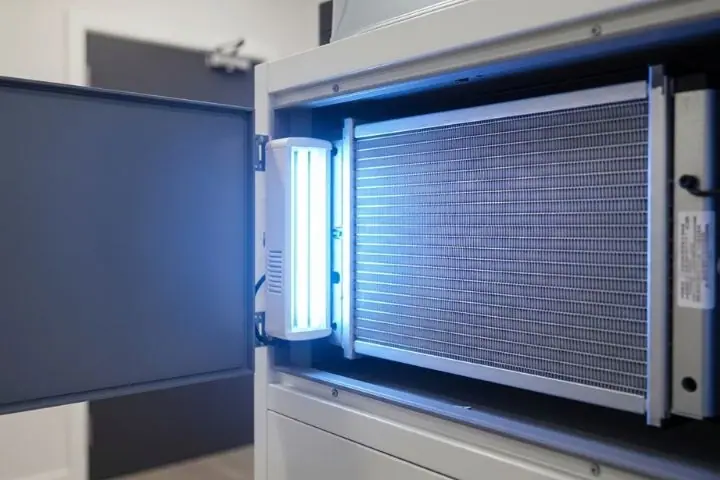
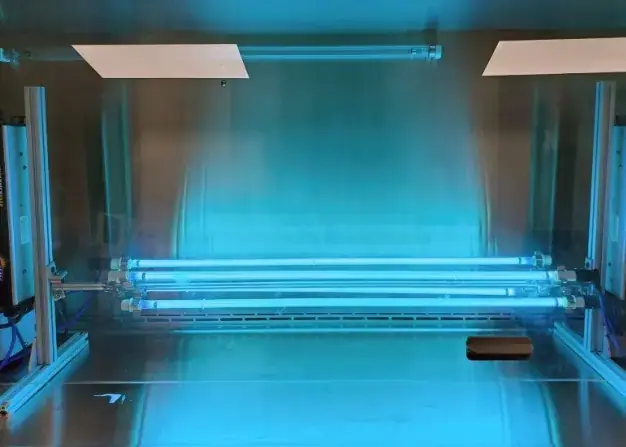
Ultraviolet (UV) lamps, when installed within HVAC systems, emit short-wavelength light that disrupts the DNA of microorganisms. This process, known as germicidal irradiation, is highly effective against bacteria, viruses, mold spores, and other organic contaminants. Many of these microorganisms are responsible for producing volatile organic compounds (VOCs) and musty smells that permeate indoor spaces.
By targeting these odor-causing agents directly, UV lamps help to break down and neutralize the compounds before they can circulate through the building. This approach not only improves air quality but also reduces the need for chemical air fresheners or frequent duct cleaning.
Key Benefits of Using UV Light for Smell Elimination
Integrating uv light for odor control in hvac systems delivers several practical advantages:
- Continuous Odor Reduction: UV lamps operate around the clock, providing ongoing protection against new and recurring smells.
- Improved Indoor Air Quality: By neutralizing bacteria and mold, UV systems contribute to a healthier breathing environment.
- Lower Maintenance Costs: With fewer contaminants accumulating in ducts and coils, HVAC systems require less frequent cleaning and maintenance.
- Energy Efficiency: Cleaner coils and components improve airflow and heat exchange, potentially reducing energy consumption.
- Chemical-Free Solution: UV technology offers a natural, non-toxic method for managing odors, avoiding the use of masking agents or harsh cleaners.
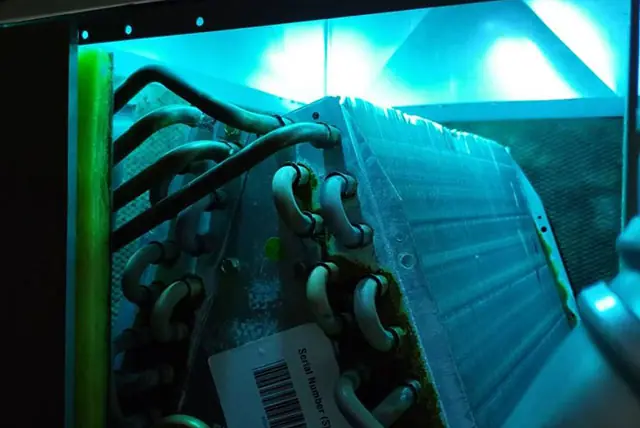
Where to Install UV Lamps for Maximum Odor Control
The effectiveness of UV systems depends on proper placement within the HVAC unit. The most common installation points are:
- Evaporator Coil: This is a prime location for mold and bacteria growth due to condensation. Placing UV lamps here targets the root cause of many odors.
- Return Air Duct: Installing UV lights in the return duct allows treatment of air before it circulates throughout the building.
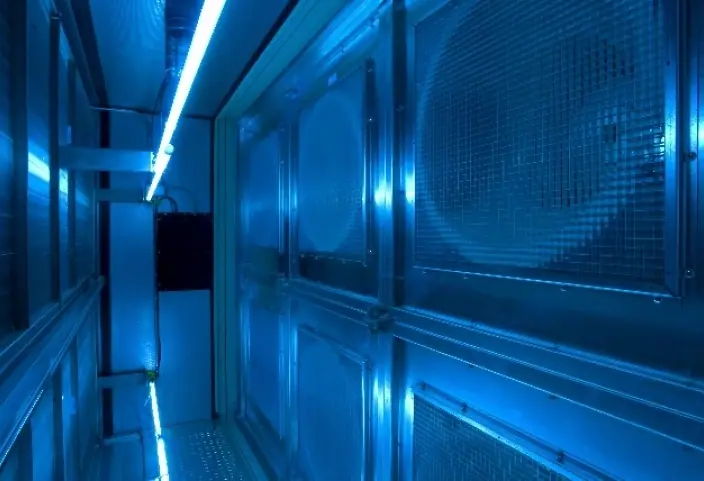
- Plenum or Air Handler: These areas can harbor dust, debris, and organic material, all of which contribute to unpleasant smells.
Professional installation ensures that the UV system is sized and positioned for optimal coverage, maximizing its odor-fighting potential. For environments with high humidity, which can exacerbate mold and odor issues, consider reviewing the guide on uv light for high-humidity environments for targeted solutions.
Types of Odors Addressed by UV Light Systems
Not all odors are created equal. UV lamps are most effective against smells caused by organic growth and biological contaminants, including:
- Mold and Mildew: Musty, earthy odors commonly found in damp or poorly ventilated spaces.
- Bacterial Growth: Sour or rotten smells resulting from bacterial colonies on coils or in ductwork.
- Pet Dander and Biological Debris: Persistent odors from pets or decaying organic matter.
- Cooking and Smoke: While UV light can help reduce some VOCs, very strong or chemical-based odors may require additional filtration.
For comprehensive odor management, UV systems can be paired with high-efficiency filters or activated carbon solutions to address a broader spectrum of smells.
Comparing UV Odor Control to Other Solutions
Many property owners rely on air fresheners, ozone generators, or frequent duct cleaning to manage indoor smells. However, these approaches have limitations:
- Air Fresheners: These products mask odors without addressing the underlying cause, and may introduce additional chemicals into the air.
- Ozone Generators: While effective at neutralizing odors, ozone can be hazardous to health and is not recommended for occupied spaces.
- Manual Cleaning: Regular duct and coil cleaning is important but may not reach all sources of contamination.
In contrast, uv light for odor control in hvac systems offers a proactive and continuous solution that targets the root of the problem. For those interested in a deeper dive into cleanliness and maintenance, the article on improving hvac cleanliness with uv light covers best practices for keeping your system in top condition.
Maintenance and Safety Considerations
While UV systems are generally low-maintenance, there are a few important points to keep in mind:
- Lamp Replacement: UV bulbs lose effectiveness over time and typically require replacement every 12–24 months.
- Regular Inspections: Periodic checks ensure the system is functioning properly and that no dust or debris is blocking the light.
- Safety Precautions: Direct exposure to UV-C light can be harmful to skin and eyes. Installation and maintenance should be performed with the system powered off, or by trained professionals.
For those dealing with persistent moisture issues in their ductwork, which can contribute to both odors and mold, the resource on uv light and duct moisture control offers practical strategies for prevention and remediation.
Choosing the Right UV System for Your Needs
There are several types of UV products available for HVAC applications, including:
- Stick-Type Lamps: Simple, cost-effective, and ideal for residential systems.
- Coil Sterilization Units: Designed specifically for evaporator coils, these are highly effective against mold and bacteria.
- Air Sterilization Units: Installed in the return air duct to treat moving air and reduce airborne contaminants.
When selecting a UV system, consider factors such as HVAC size, airflow, and the specific odor challenges you face. Consulting with an HVAC professional ensures the solution is tailored to your environment.
Expert Insights and Additional Resources
Industry research supports the use of UV technology for improving indoor air quality and controlling odors. For a comprehensive overview of UV solutions and their impact on air quality, see this in-depth guide to UV light for indoor air quality. Combining UV with proper filtration and regular maintenance creates a robust defense against unwanted smells and airborne contaminants.
For those seeking more strategies to manage mold and reduce risks in ductwork, the article on reducing mold risk in ductwork provides actionable tips for long-term odor and mold prevention.
Frequently Asked Questions
Can UV Light Completely Remove All Odors from My HVAC System?
UV lamps are highly effective against odors caused by biological contaminants such as mold, bacteria, and organic debris. However, some chemical or smoke-related smells may require additional filtration or source removal for complete elimination.
Is UV Technology Safe for My Family and Pets?
When installed inside HVAC systems, UV lamps are safely contained and do not expose occupants to direct UV-C light. Always follow manufacturer guidelines and use professional installation to ensure safety.
How Long Does It Take to Notice Odor Reduction After Installing UV Lights?
Most users observe noticeable improvements in air freshness within days to weeks, depending on the level of contamination and system usage. Continuous operation provides ongoing odor control and air quality benefits.