For many people, mold allergies can make indoor living uncomfortable and even hazardous. Airborne mold spores often trigger sneezing, congestion, itchy eyes, and other persistent symptoms. While cleaning and dehumidifying help, these measures alone may not be enough to keep mold at bay—especially in HVAC systems, where spores can spread throughout a building. One increasingly popular solution is using UV light for mold allergy prevention within HVAC systems and air ducts. This technology targets mold at the source, helping to create a healthier indoor environment and reduce allergy flare-ups.
Understanding how ultraviolet (UV) light works, its effectiveness, and how it fits into a comprehensive mold prevention strategy is essential for anyone looking to improve air quality. If you’re interested in more ways to safeguard your ductwork, you might also find our guide on reducing mold risk in ductwork helpful for additional practical steps.
How Ultraviolet Light Stops Mold Growth
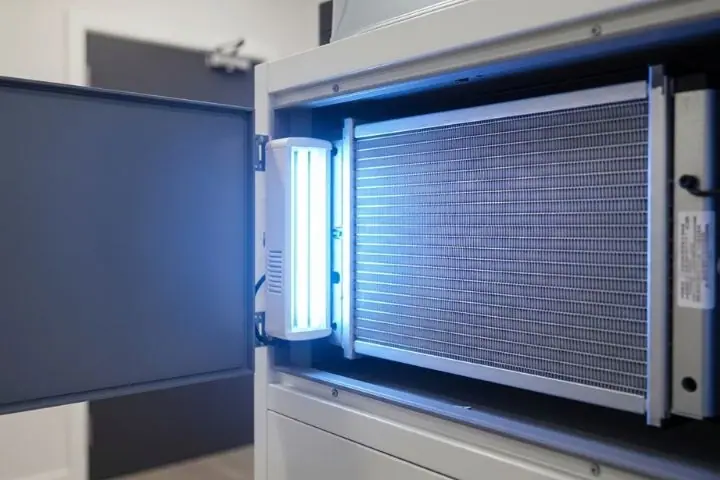
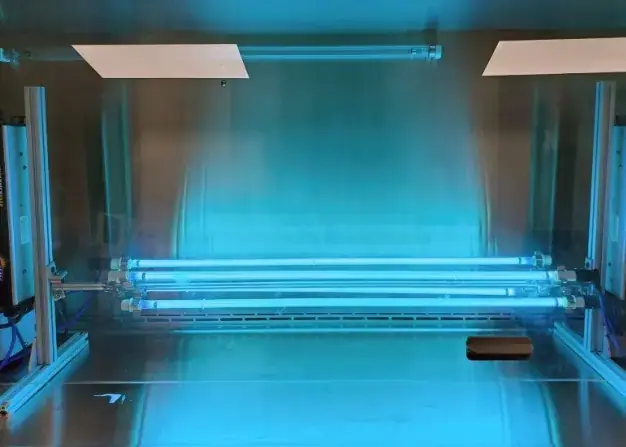
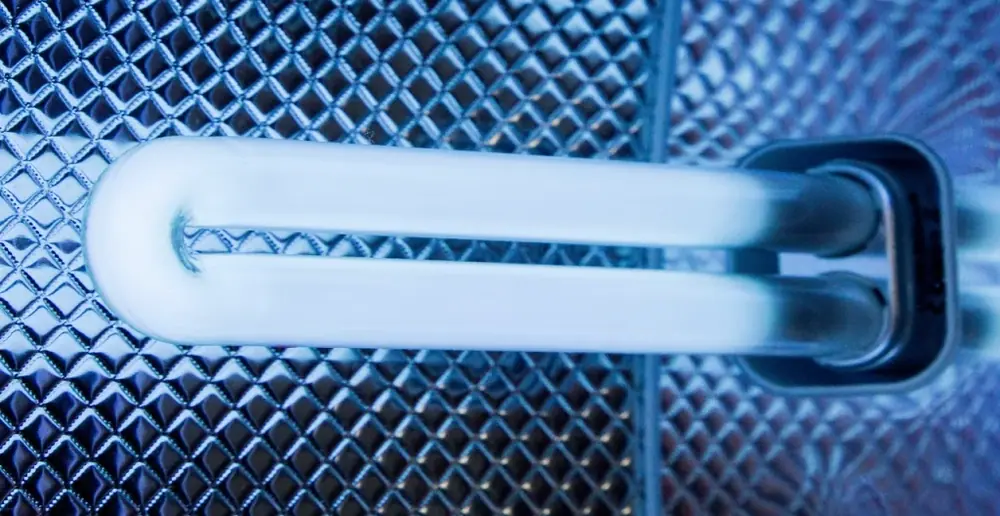
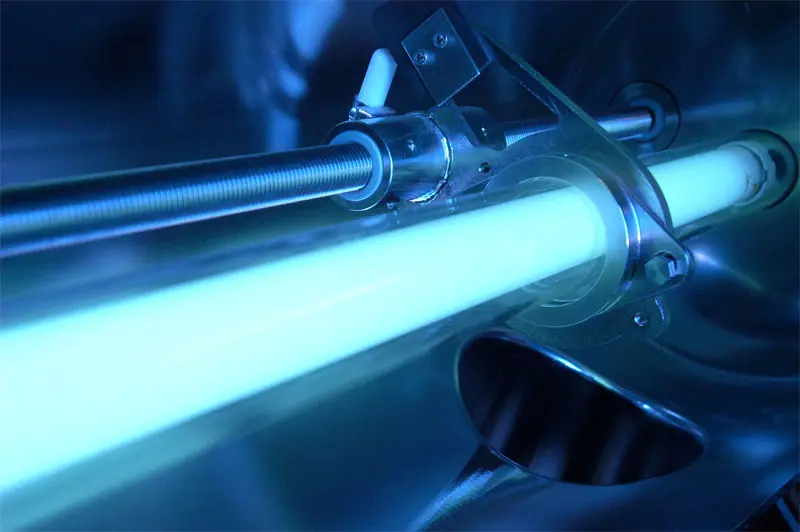
Ultraviolet light, specifically UV-C, is a type of radiation that can disrupt the DNA of microorganisms. When installed in HVAC systems, these lamps emit UV-C rays that target mold spores, bacteria, and viruses as air circulates through the ducts. The light damages the genetic material of these organisms, preventing them from reproducing and spreading.
By breaking the life cycle of mold, UV-C technology helps reduce the number of spores released into the air. This is particularly valuable for allergy sufferers, as fewer spores mean fewer triggers for allergic reactions. The result is cleaner, healthier air circulating throughout your home or business.
Why Mold Thrives in HVAC Systems
Mold needs three things to grow: moisture, organic material, and a suitable temperature. HVAC systems often provide all three. Condensation forms on coils and inside ducts, while dust and debris offer a food source. Once mold takes hold, spores can be blown into every room, making it difficult to control symptoms with surface cleaning alone.
Traditional filters can trap some spores, but they do not kill them. In contrast, UV light for mold allergy prevention works by neutralizing spores before they have a chance to multiply or spread. For those living in humid climates or with persistent allergy issues, this technology can be a game-changer.
Key Benefits of Installing UV-C Lamps in Your HVAC
- Continuous Protection: UV-C lamps operate around the clock, providing ongoing defense against mold and other pathogens.
- Improved Air Quality: By reducing airborne spores and microbes, UV-C systems help alleviate allergy symptoms and respiratory discomfort.
- Lower Maintenance Costs: Preventing mold buildup can extend the life of HVAC components and reduce the need for frequent duct cleaning.
- Odor Reduction: Mold and bacteria often cause musty odors. UV-C treatment helps eliminate these smells at the source.
- Energy Efficiency: Clean coils and ducts allow HVAC systems to run more efficiently, potentially lowering energy bills.
For more details on how UV technology can improve your system’s cleanliness, see our article on improving HVAC cleanliness with UV light.
Choosing the Right UV Light Solution for Mold Control
Not all UV-C systems are created equal. When selecting a product, consider the following:
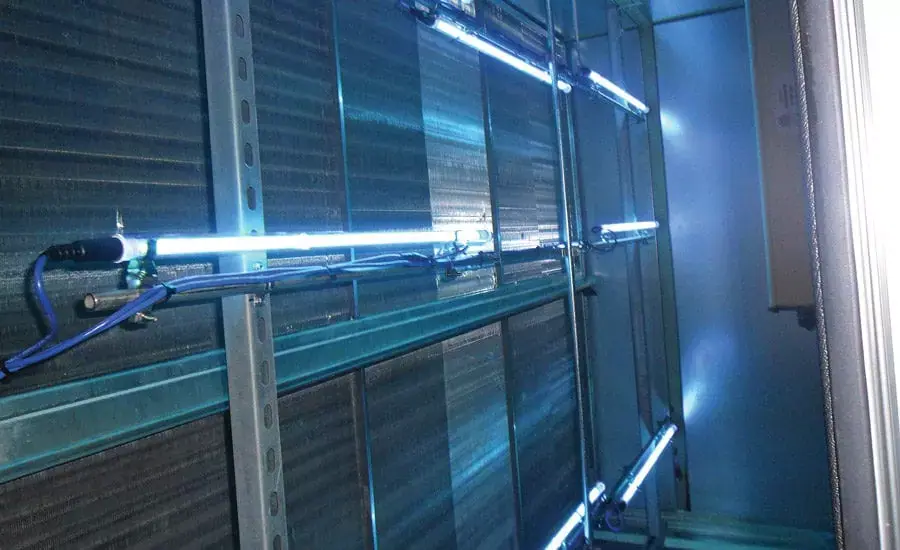
- Placement: Lamps should be installed where mold is most likely to grow, such as near coils or inside air ducts.
- Wattage and Coverage: The strength and number of lamps needed depend on the size of your HVAC system and the level of mold risk.
- Maintenance: UV bulbs lose effectiveness over time and typically need replacement every 12-18 months.
- Professional Installation: Proper setup is crucial for safety and maximum effectiveness. Consult a qualified HVAC technician for installation.
For those dealing with high humidity, you may also want to review our resource on UV light for high-humidity environments to understand additional considerations.
Integrating UV Technology with Other Mold Prevention Strategies
While UV light for mold allergy prevention is highly effective, it works best as part of a broader approach. Here are some additional steps to maximize results:
- Control Humidity: Keep indoor humidity below 50% using dehumidifiers and proper ventilation.
- Regular Cleaning: Dust and vacuum regularly to remove organic material that can feed mold.
- Seal Leaks: Repair leaks in roofs, windows, and pipes to prevent moisture buildup.
- Monitor Duct Health: Schedule periodic inspections and cleanings. Learn more in our guide on air duct health and UV technology.
Combining these steps with UV-C installation provides a comprehensive defense against mold and its allergens.
What to Expect After Installing UV-C in Your HVAC
Once a UV-C system is in place, many users notice a reduction in allergy symptoms and musty odors within weeks. However, results can vary based on the severity of existing mold and the overall condition of your HVAC system. It’s important to maintain the system and replace bulbs as recommended to ensure ongoing protection.
For those interested in the science behind UV-C and its application in HVAC, you can find a detailed overview in this comprehensive guide to UV lights for HVAC systems.
Frequently Asked Questions
How does UV-C light actually kill mold in HVAC systems?
UV-C light disrupts the DNA of mold spores and other microorganisms, preventing them from reproducing. When installed in HVAC systems, the light shines on coils and ducts, neutralizing spores as air passes through. This reduces the number of live spores circulating in your indoor air.
Is UV-C safe for people and pets?
When installed properly inside HVAC systems, UV-C lamps are contained and do not expose building occupants to direct radiation. It’s important that installation and maintenance are performed by professionals to ensure safety.
Will UV-C eliminate all mold in my home?
While UV-C is highly effective at reducing mold in HVAC systems, it should be combined with other measures like humidity control and regular cleaning for best results. It targets airborne spores and mold growing inside the system, but does not address mold on walls or other surfaces outside the ducts.
Conclusion
For those struggling with mold allergies, incorporating UV light for mold allergy prevention into your HVAC system offers a proactive way to reduce exposure to airborne spores. By neutralizing mold at the source, UV-C technology can help you breathe easier and enjoy a healthier indoor environment. Paired with good cleaning habits and moisture control, this approach provides a robust defense against mold-related allergies and improves overall air quality.