Indoor air quality is a growing concern for many homeowners. With allergens, bacteria, and mold spores circulating through HVAC systems, finding effective ways to keep the air clean is more important than ever. One solution gaining popularity is the use of UV light for cleaner air at home. These systems are designed to neutralize airborne contaminants, helping to create a healthier living environment for you and your family.
Understanding how ultraviolet technology works and how it can be integrated into your home’s HVAC system is key to making an informed decision. In this guide, you’ll learn about the science behind UV air purification, the benefits and limitations, and how to choose the right system for your needs. For those interested in a deeper dive into how these solutions interact with ductwork, the article on air duct health and uv technology offers valuable insights.
How UV Light Improves Indoor Air Quality
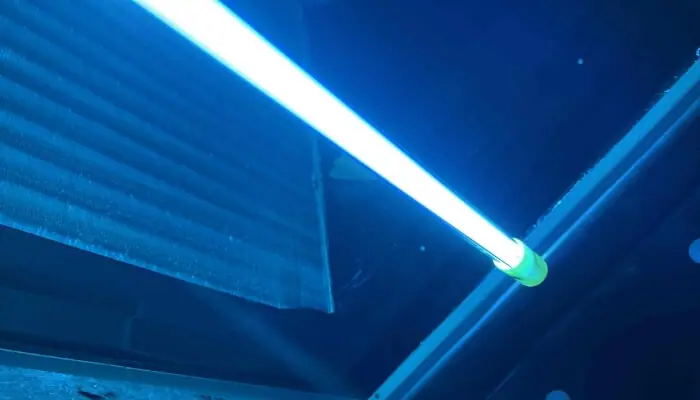
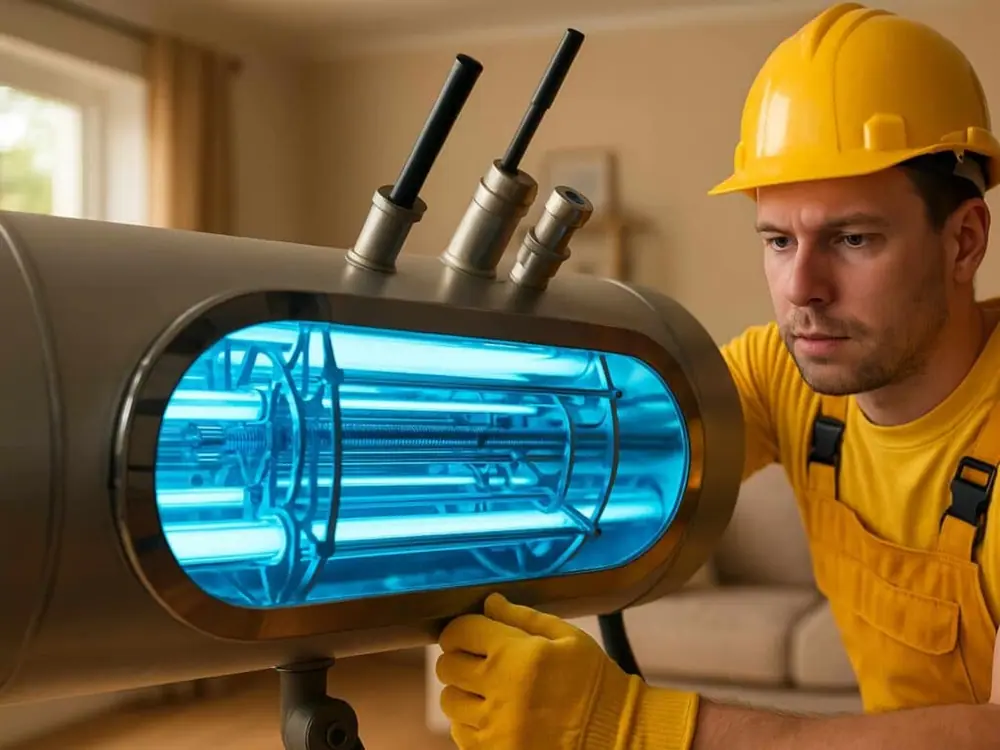
Ultraviolet germicidal irradiation (UVGI) is a technology that uses short-wavelength ultraviolet light (UV-C) to inactivate microorganisms. When installed in HVAC systems, these lights target bacteria, viruses, and mold spores as air passes through the ductwork. The result is a significant reduction in airborne pathogens, which can help lower the risk of respiratory issues and allergies.
UV-C light works by disrupting the DNA or RNA of microorganisms, rendering them unable to reproduce or cause harm. This method is especially effective in areas where moisture and darkness create ideal conditions for mold and bacteria growth, such as within air conditioning coils and ducts. For homes in humid climates, pairing UV technology with moisture control strategies can further enhance results. For more on this, see the comprehensive resource on uv light and duct moisture control.
Types of UV Air Purification Systems for Homes
There are several types of UV systems designed to enhance air quality in residential settings. The most common options include:
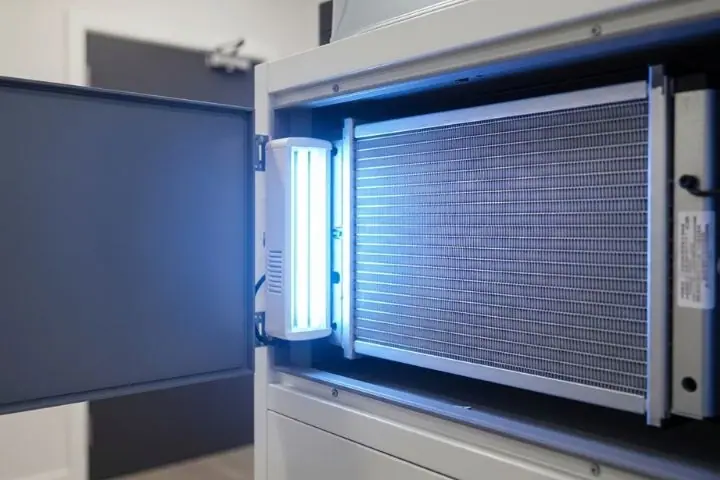
- Coil Sterilization Units: These are installed near the evaporator coil of your HVAC system. Their primary purpose is to prevent mold and bacteria from growing on the coil, which can otherwise be a source of unpleasant odors and reduced system efficiency.
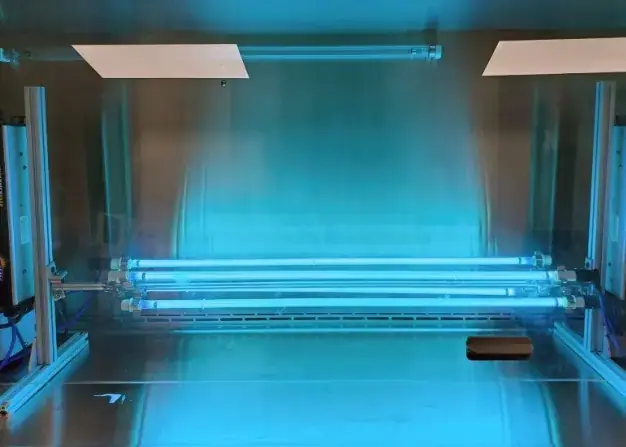
- Air Sterilization Units: These systems are placed within the ductwork and treat the air as it circulates through your home. They are effective at reducing airborne pathogens and allergens.
- Portable UV Air Purifiers: Standalone devices that can be used in individual rooms. While convenient, they typically cover smaller areas compared to whole-house systems.
When considering uv light for cleaner air at home, it’s important to evaluate the size of your living space, the layout of your HVAC system, and your specific air quality concerns. Consulting with a professional can help ensure you choose the right solution for your needs.
Benefits of Installing UV Light in Your HVAC System
Adding a UV system to your HVAC setup offers several advantages:
- Reduces Allergens: Neutralizes mold spores, bacteria, and viruses that can trigger allergies and respiratory problems.
- Improves System Efficiency: Prevents microbial buildup on coils and other components, which can help maintain optimal airflow and reduce energy consumption.
- Odor Control: Helps eliminate musty or unpleasant odors caused by mold and bacteria growth in the system.
- Low Maintenance: Most UV lights require only periodic bulb replacement, making them a convenient addition to your home’s air quality strategy.
It’s important to note that while UV technology is highly effective against biological contaminants, it does not remove dust, pet dander, or chemical pollutants. Combining UV systems with high-quality air filters and regular HVAC maintenance will yield the best results for overall air quality.
Considerations Before Choosing a UV Air Purifier
Before investing in a UV solution, consider the following factors:
- Compatibility: Ensure the system is suitable for your existing HVAC setup.
- Installation Location: Placement is critical for maximum effectiveness. Professional installation is recommended to ensure proper positioning and safety.
- Maintenance Needs: UV bulbs lose effectiveness over time and typically need replacement every 12–24 months.
- Safety: UV-C light can be harmful to skin and eyes. Systems are designed to operate safely within HVAC units, but proper handling during maintenance is essential.
- Cost: Initial investment varies depending on system type and installation complexity. Factor in ongoing maintenance costs as well.
For homes in areas with high humidity, UV lights can be especially valuable in preventing mold growth. Learn more about this application in the article on uv light for high-humidity environments.
Comparing UV Light to Other Air Cleaning Methods
While UV systems are effective at neutralizing biological contaminants, they work best as part of a comprehensive air quality plan. Here’s how they compare to other common solutions:
| Technology | Targets | Strengths | Limitations |
|---|---|---|---|
| UV Light | Bacteria, viruses, mold spores | Destroys microorganisms; low maintenance | Does not remove dust or chemicals |
| HEPA Filters | Dust, pollen, pet dander | Captures small particles; no ozone | Does not neutralize microbes |
| Activated Carbon | Odors, VOCs, gases | Removes chemical pollutants | Does not address biological contaminants |
| Ionizers | Particles, some microbes | Reduces airborne particles | May produce ozone; less effective on mold |
For best results, many homeowners combine UV lights with HEPA filtration and regular cleaning. This multi-layered approach addresses a broader range of indoor air pollutants.
Installation and Maintenance Tips
Proper installation is essential for the effectiveness and safety of UV systems. Here are some practical tips:
- Hire a qualified HVAC technician to install the unit according to manufacturer guidelines.
- Schedule annual inspections to check bulb output and replace as needed.
- Keep coils and ductwork clean to maximize UV exposure and efficiency.
- Follow all safety instructions when handling UV bulbs to avoid exposure.
For more detailed guidance on keeping your HVAC system clean and efficient, the article on improving hvac cleanliness with uv light provides actionable tips.
Potential Drawbacks and Safety Considerations
While UV technology is generally safe when installed correctly, there are a few considerations to keep in mind:
- Direct exposure to UV-C light can be harmful. Always turn off the system before performing maintenance.
- Some systems may produce trace amounts of ozone, which can be irritating in high concentrations. Choose models certified for low or no ozone production.
- UV lights are not a substitute for regular HVAC maintenance or filter replacement.
For a balanced perspective on the advantages and disadvantages, see this complete guide to the pros and cons of UV light in HVAC systems.
Frequently Asked Questions
How long do UV bulbs last in a home HVAC system?
Most UV bulbs are effective for 12 to 24 months, depending on the manufacturer and usage. Regular inspections ensure optimal performance and timely replacement.
Can UV light remove odors from the air?
UV systems can help reduce odors caused by mold and bacteria, but they are not designed to eliminate all types of smells, especially those from chemicals or smoke. Combining UV with activated carbon filters can address a wider range of odors.
Is UV air purification safe for pets and children?
When installed inside HVAC units, UV lights are safely contained and do not pose a risk to people or pets. However, direct exposure to UV-C light should always be avoided during maintenance or bulb replacement.
Conclusion
Integrating uv light for cleaner air at home into your HVAC system can be a powerful step toward healthier indoor air. By targeting airborne microbes, these systems complement traditional filtration and regular maintenance. When choosing a UV solution, consider your home’s specific needs, consult with professionals, and combine technologies for the best results. For more strategies on maintaining a healthy duct system, don’t miss the article on reducing mold risk in ductwork.