Managing asthma and maintaining a healthy indoor environment are top priorities for many homeowners and facility managers. As awareness of airborne contaminants grows, more people are exploring advanced solutions to reduce allergens and improve breathing comfort indoors. One technology gaining attention is the use of UV light for asthma and indoor air quality management. This guide explores how ultraviolet germicidal irradiation (UVGI) works, its benefits for respiratory health, and what to consider when integrating UV systems into your HVAC setup.
Before diving into the science and practicalities, it’s important to understand how UV technology fits into the broader landscape of air purification. For those interested in a deeper look at related HVAC strategies, see our article on air duct health and uv technology, which discusses the synergy between duct maintenance and UV solutions.
Understanding UV Light Technology for Cleaner Indoor Air
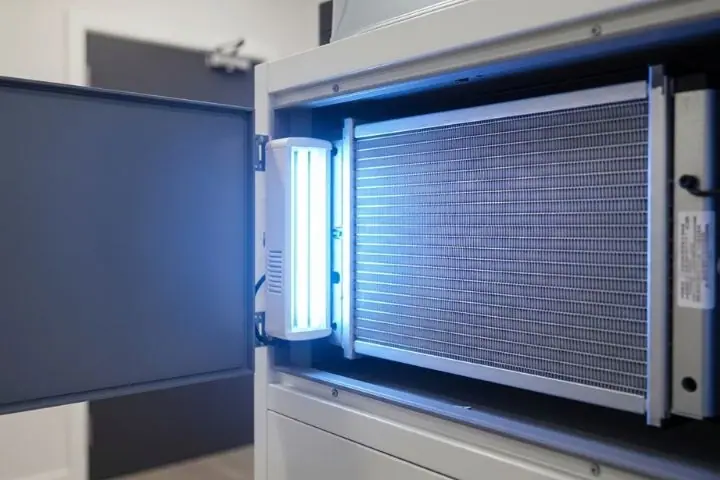
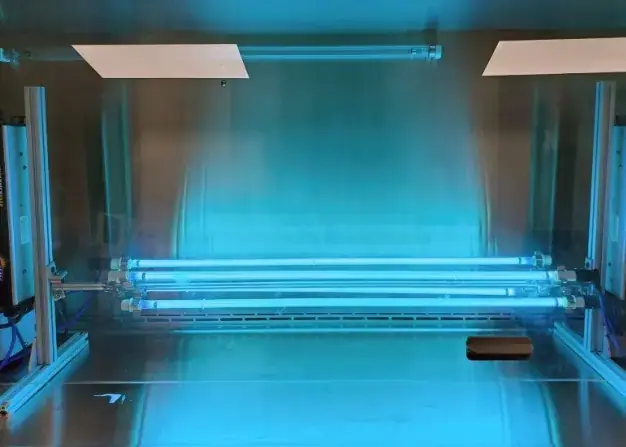
Ultraviolet light, particularly UV-C, has been used for decades to disinfect air, water, and surfaces. In HVAC systems, UV lamps are installed inside ductwork or near coils to neutralize airborne pathogens, mold spores, and viruses. By disrupting the DNA of microorganisms, UV-C light renders them inactive, reducing their ability to trigger allergic reactions or respiratory issues.
For individuals with asthma, minimizing exposure to airborne irritants is essential. UV systems can help by targeting common asthma triggers such as mold, bacteria, and certain viruses. This approach complements traditional filtration, offering an added layer of protection that goes beyond what standard filters can achieve.
How UV Light Supports Asthma Management
Asthma symptoms are often aggravated by poor indoor air quality. Dust mites, mold, pet dander, and microbial contaminants can all contribute to flare-ups. Integrating UV light for asthma and indoor air quality improvement into your HVAC system can help reduce these triggers in several ways:
- Mold and Mildew Control: UV lamps installed near HVAC coils prevent mold growth, a common culprit in damp environments.
- Reduction of Airborne Bacteria and Viruses: UV-C light neutralizes a wide range of pathogens, lowering the risk of respiratory infections that can worsen asthma.
- Less Reliance on Chemical Cleaners: By keeping HVAC components cleaner, UV systems reduce the need for harsh cleaning agents that may release volatile organic compounds (VOCs).
For those dealing with moisture issues, our resource on uv light and duct moisture control offers practical insights into preventing mold recurrence and maintaining optimal air quality.
Key Benefits of UV Air Purification for Indoor Environments
Installing UV lamps in your HVAC system offers several advantages for both residential and commercial spaces. Here are some of the most notable benefits:
- Continuous Disinfection: Unlike portable air purifiers, UV systems work around the clock, treating air as it circulates through your ducts.
- Improved System Efficiency: By keeping coils and ducts cleaner, UV lamps can help maintain optimal airflow and reduce energy consumption.
- Odor Reduction: Neutralizing microbial growth helps eliminate musty or unpleasant odors often associated with mold and bacteria.
- Enhanced Allergen Control: For asthma sufferers, reducing airborne allergens translates to fewer symptoms and better quality of life.
For a comprehensive look at how UV solutions can tackle mold in challenging environments, see our article on uv light for high-humidity environments.
Installation and Maintenance Considerations
While the benefits of UV air purification are clear, proper installation and maintenance are crucial for optimal performance. Here are a few key points to keep in mind:
- Professional Assessment: A qualified HVAC technician can determine the best placement and type of UV lamp for your system.
- Regular Bulb Replacement: UV-C bulbs lose effectiveness over time and typically require replacement every 12–24 months.
- Safety Precautions: Direct exposure to UV-C light can be harmful. Systems are designed to operate safely within ductwork, but maintenance should always be performed with the power off.
- System Compatibility: Not all HVAC setups are the same. Custom solutions may be needed for older or complex systems.
To learn more about keeping your HVAC system clean and efficient, visit our guide on improving hvac cleanliness with uv light.
Comparing UV Light with Other Air Quality Solutions
When evaluating options for improving indoor air, it’s helpful to compare UV technology with other purification methods:
| Solution | Strengths | Limitations |
|---|---|---|
| HEPA Filtration | Captures fine particles, allergens, and dust | Does not neutralize microbes; filter changes required |
| Activated Carbon | Reduces odors and VOCs | Limited effect on biological contaminants |
| UV-C Lamps | Neutralizes bacteria, viruses, and mold; continuous operation | Does not remove particulates; bulb replacement needed |
| Ionic Purifiers | Reduces some airborne particles | May produce ozone; less effective on microbes |
For many, a combination of filtration and UV treatment offers the most comprehensive protection, especially for those with respiratory sensitivities.
Expert Insights and Additional Resources
Industry studies and real-world results support the effectiveness of UV-C for reducing airborne pathogens and improving air quality. For a deeper dive into the science and practical benefits, see this detailed overview of UV light air purifiers and their benefits.
It’s also important to address mold risk proactively. Our article on reducing mold risk in ductwork provides actionable tips for keeping your system—and your air—clean and healthy.
Frequently Asked Questions
How does UV light help people with asthma?
UV-C lamps installed in HVAC systems neutralize airborne microbes such as mold, bacteria, and viruses. By reducing these asthma triggers, UV technology can help decrease the frequency and severity of symptoms for sensitive individuals.
Is UV air purification safe for homes and offices?
When installed and maintained correctly, UV-C systems are safe for use in residential and commercial environments. The lamps are contained within ductwork, preventing direct exposure. Always have a professional handle installation and maintenance to ensure safety.
How often do UV-C bulbs need to be replaced?
Most UV-C bulbs remain effective for 12 to 24 months, depending on usage and manufacturer recommendations. Regular replacement is important to maintain optimal disinfection performance.
Can UV lamps eliminate all allergens from indoor air?
While UV-C is highly effective against biological contaminants, it does not remove dust, pollen, or pet dander. For best results, use UV technology alongside high-quality filtration systems.
Conclusion
Integrating UV light for asthma and indoor air quality management into your HVAC system offers a proactive approach to reducing airborne irritants and supporting respiratory health. By neutralizing microbes and keeping your system cleaner, UV technology can make a noticeable difference for those with asthma or allergies. For tailored advice and installation options, reach out to a trusted HVAC professional.