Maintaining healthy indoor air is a top priority for homeowners and businesses alike. As concerns about airborne contaminants and allergens grow, many are turning to advanced solutions to improve the quality of the air circulating through their HVAC systems. One increasingly popular method involves integrating UV light and furnace systems to neutralize harmful microorganisms and reduce pollutants. This approach leverages the power of ultraviolet technology to help create a cleaner, safer indoor environment.
Understanding how these systems work, their benefits, and potential considerations is essential for anyone interested in optimizing their air quality. Whether you’re looking to minimize allergens, prevent mold growth, or simply breathe easier, this guide explores the key aspects of combining UV technology with your heating and cooling setup.
For those concerned about mold or moisture issues in their ductwork, exploring reducing mold risk in ductwork can provide additional strategies for maintaining a healthy HVAC system.
How UV Technology Works in HVAC Systems
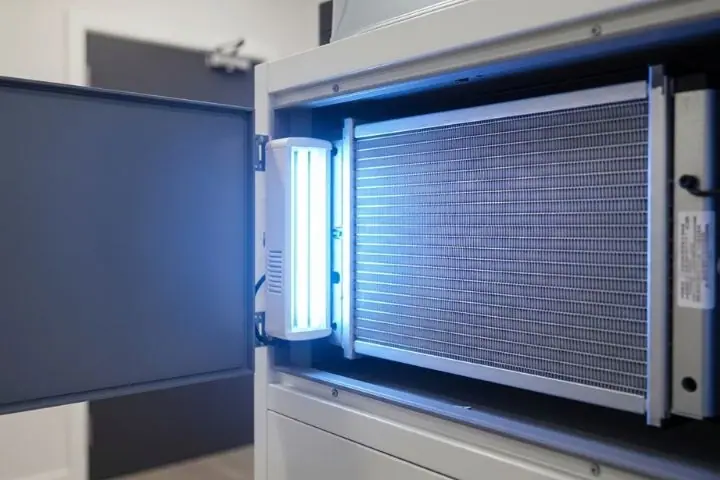
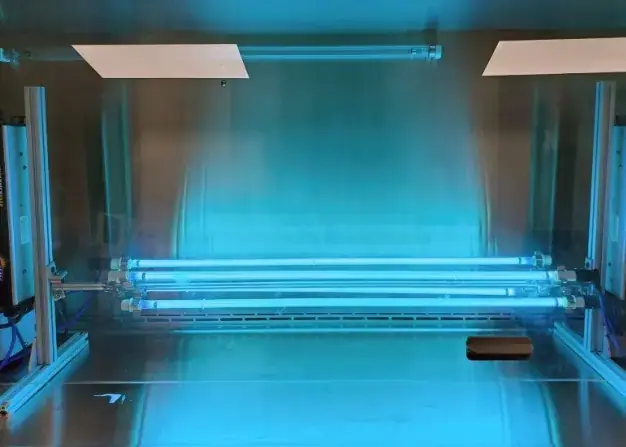
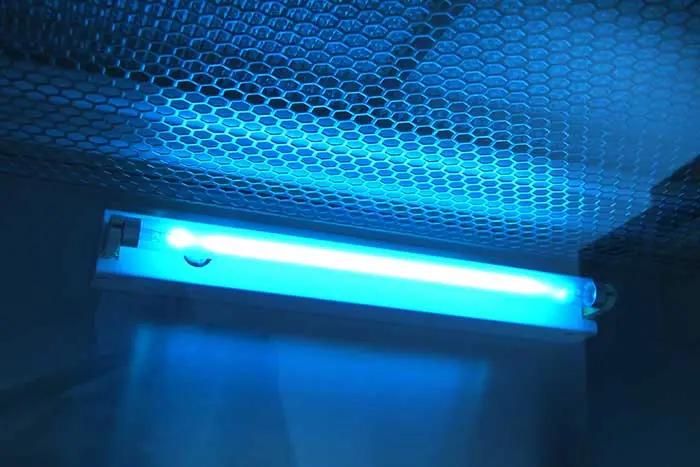
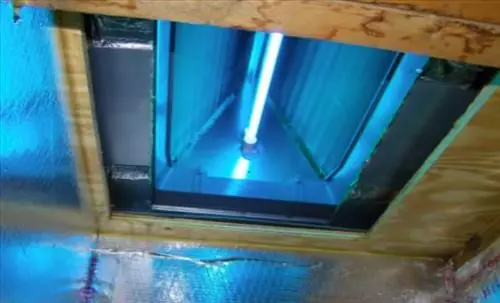
Ultraviolet light, specifically UV-C, has long been recognized for its ability to disrupt the DNA of bacteria, viruses, and mold spores. When installed within a furnace or air handler, UV lamps emit this germicidal wavelength directly into the airflow. As air passes over the light, microorganisms are exposed and rendered inactive, preventing them from multiplying or circulating throughout the building.
There are two primary placements for UV lamps in HVAC systems:
- Coil sterilization: Lamps are positioned near the evaporator coil, where moisture can promote mold and biofilm growth. This placement keeps the coil clean and efficient.
- Air sterilization: UV lights are installed in the return or supply air ducts, treating the moving air as it flows through the system.
Both methods can be effective, but the best choice depends on your specific air quality goals and the design of your HVAC system.
Benefits of Integrating UV Light with Furnace Systems
Combining UV light and furnace systems offers several advantages for indoor air quality and system performance:
- Reduces airborne pathogens: UV-C light neutralizes bacteria, viruses, and mold spores, lowering the risk of illness and allergic reactions.
- Prevents mold growth: By targeting the damp surfaces of coils and ducts, UV lamps help eliminate conditions where mold can thrive.
- Improves system efficiency: Clean coils and ductwork allow for better airflow, reducing strain on your HVAC equipment and potentially lowering energy costs.
- Minimizes odors: UV light can break down organic compounds that cause musty or unpleasant smells in your home or office.
For those dealing with high humidity or persistent moisture, using uv light for high-humidity environments can be especially effective in stopping mold before it becomes a problem.
Installation and Maintenance Considerations
Proper installation is crucial for maximizing the effectiveness of UV lamps in your HVAC system. Placement should ensure that the light covers the intended area—whether it’s the coil, ductwork, or both. Professional installation is recommended to avoid electrical hazards and to ensure compatibility with your existing furnace or air handler.
Maintenance typically involves replacing the UV bulb annually, as its germicidal effectiveness diminishes over time. Dust and debris can also accumulate on the lamp, so periodic cleaning is important. Always follow manufacturer guidelines for safe handling and replacement.
For a comprehensive approach to moisture and air quality, see the uv light and duct moisture control guide for more in-depth strategies.
Potential Risks and Safety Tips
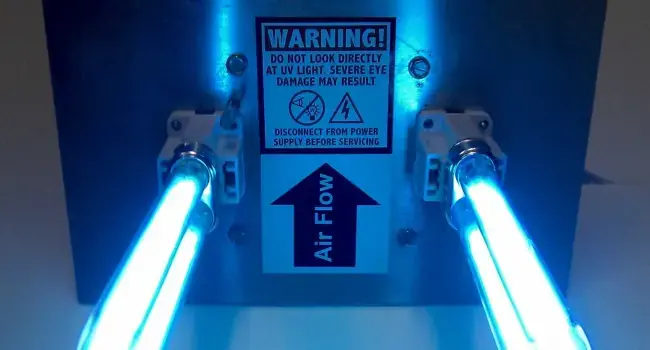
While UV-C light is effective at neutralizing microorganisms, it must be used responsibly. Direct exposure to UV-C can be harmful to skin and eyes, so lamps are always installed inside the HVAC system, out of direct view. Most systems include safety switches or shields to prevent accidental exposure during maintenance.
There is ongoing research into the potential for certain UV lamps to generate ozone or interact with indoor air in ways that may create byproducts. According to a recent study on UV disinfection lights and indoor air pollution, some UV devices can contribute to indoor air quality issues if not properly designed or installed. Choosing reputable products and working with experienced HVAC professionals can help minimize these risks.
Choosing the Right UV Solution for Your HVAC
Not all UV systems are created equal. When selecting a UV lamp for your furnace or air handler, consider the following factors:
- System compatibility: Ensure the lamp fits your HVAC unit and is designed for your system’s size and airflow.
- Wattage and intensity: Higher wattage lamps generally provide greater coverage and effectiveness.
- Certification: Look for products tested and certified by recognized organizations for safety and performance.
- Warranty and support: Choose a manufacturer that offers good customer support and clear maintenance instructions.
Consulting with a qualified HVAC technician can help you determine the best placement and type of UV lamp for your needs. For more on how UV technology can improve cleanliness, see improving hvac cleanliness with uv light.
Integrating UV Light with Other Air Quality Strategies
While UV lamps are powerful tools for reducing biological contaminants, they work best as part of a comprehensive air quality plan. Consider combining UV technology with:
- High-efficiency filters: Capture dust, pollen, and other particulates that UV light does not address.
- Humidity control: Maintain optimal moisture levels to discourage mold and dust mites.
- Regular duct cleaning: Remove accumulated debris and contaminants from your ductwork.
Staying informed about the latest advances in air purification, such as those discussed in air duct health and uv technology, can help you make the most of your investment in indoor air quality.
Frequently Asked Questions
How effective are UV lamps at killing viruses and bacteria in HVAC systems?
UV-C lamps are highly effective at neutralizing a wide range of microorganisms, including bacteria, viruses, and mold spores. Their effectiveness depends on factors such as lamp placement, intensity, and exposure time. When properly installed, they can significantly reduce the presence of these contaminants in your HVAC system.
Do UV lights eliminate all indoor air pollutants?
No, UV lamps primarily target biological contaminants. They do not remove dust, pet dander, or chemical pollutants. For comprehensive air cleaning, use UV technology alongside high-efficiency filters and other air quality solutions.
Is it safe to install UV lamps in my furnace or air handler?
When installed correctly by a professional, UV lamps are safe and effective. The lamps are housed inside the HVAC system, preventing direct exposure. Always follow manufacturer instructions and schedule regular maintenance to ensure continued safety and performance.
Conclusion
Integrating UV light and furnace systems is a practical way to enhance indoor air quality and protect your HVAC investment. By neutralizing harmful microorganisms and supporting cleaner airflow, UV technology offers a valuable layer of defense against airborne threats. For the best results, combine UV lamps with other air quality measures and consult with HVAC professionals to ensure proper installation and maintenance. Cleaner air is within reach for homes and businesses willing to invest in proven, science-backed solutions.