Ultraviolet (UV) light technology has become a popular addition to heating, ventilation, and air conditioning (HVAC) systems, especially as concerns about indoor air quality and microbial contamination have grown. Many homeowners and facility managers are curious about the real-world effectiveness of UV lights in HVAC systems. To provide clarity, this article examines scientific studies on HVAC UV lights, focusing on what peer-reviewed research and industry reports reveal about their benefits, limitations, and best practices.
Understanding the science behind UV light applications in HVAC systems is essential for making informed decisions about installation and maintenance. We’ll explore the mechanisms by which UV lights work, review key findings from laboratory and field studies, and discuss how these insights translate into practical outcomes for building occupants and system performance.
For those interested in related topics, our resource on air duct health and uv technology provides additional insights into maintaining cleaner ductwork and optimizing HVAC system performance.
How UV Light Works in HVAC Systems
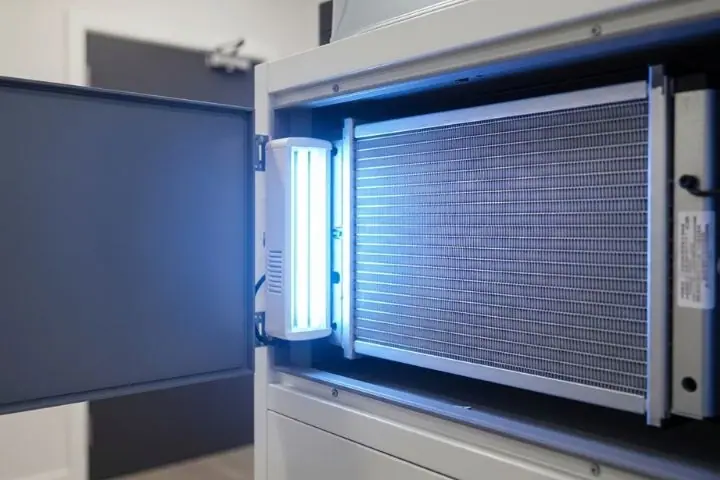
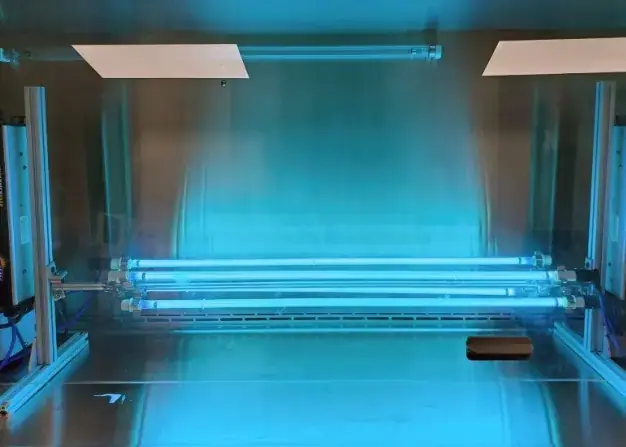
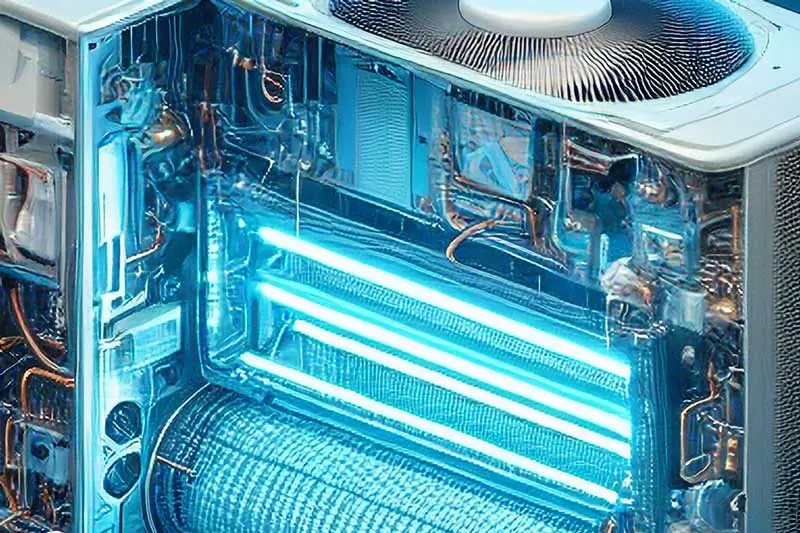
Ultraviolet germicidal irradiation (UVGI) uses short-wavelength UV-C light to inactivate microorganisms such as bacteria, viruses, and mold spores. When installed inside HVAC systems, UV lights are typically positioned near the coils or within the air handler, targeting areas where microbial growth is most likely to occur due to moisture and organic debris.
The primary mechanism involves damaging the DNA or RNA of microorganisms, rendering them unable to reproduce or cause infections. This process can help reduce the buildup of biofilms on coils, improve system efficiency, and potentially enhance indoor air quality by limiting the spread of airborne pathogens.
Key Findings from Scientific Studies on HVAC UV Lights
Peer-reviewed research has evaluated the effectiveness of UV lights in various HVAC applications. Below are some of the most significant findings from the scientific literature:
- Reduction of Microbial Contamination: Multiple studies have shown that UV-C lamps can significantly reduce microbial populations on HVAC coils and surfaces. For example, a study published in the journal Applied and Environmental Microbiology found that UVGI reduced fungal contamination on cooling coils by over 90% in commercial buildings.
- Impact on Airborne Pathogens: Some research suggests that UV lights can lower the concentration of airborne bacteria and viruses in recirculated air. However, the effectiveness depends on factors such as lamp placement, intensity, and airflow rates.
- Energy Efficiency Benefits: By preventing biofilm buildup on coils, UV lights can help maintain optimal heat exchange and airflow, leading to improved energy efficiency and reduced maintenance costs.
- Limitations: While UVGI is effective against many microorganisms, it may not eliminate all contaminants, especially if particles are shielded from direct UV exposure or if the system is not properly maintained.
Laboratory vs. Real-World Performance
Laboratory experiments often demonstrate high efficacy for UVGI in controlled conditions. However, real-world environments introduce variables such as dust accumulation, lamp aging, and inconsistent airflow, which can reduce effectiveness. Field studies in hospitals, schools, and office buildings have generally confirmed that UV lights reduce microbial loads, but results vary depending on installation quality and ongoing maintenance.
For example, a study in a hospital setting found that UV-C lamps installed in air handling units led to a measurable decrease in airborne bacteria and fungi, contributing to improved air quality for patients and staff. However, the study also emphasized the importance of regular cleaning and lamp replacement to sustain these benefits.
Factors Influencing UV Light Effectiveness in HVAC Systems
Several variables determine how well UV lights perform in HVAC applications. Understanding these factors can help optimize installation and maximize benefits:
- Lamp Placement: Positioning UV lamps near coils and drain pans targets areas most prone to microbial growth.
- Intensity and Exposure Time: Higher-intensity lamps and longer exposure times generally yield better results, but must be balanced with energy consumption and safety considerations.
- Airflow Patterns: Fast-moving air can reduce the time microorganisms are exposed to UV light, potentially lowering inactivation rates.
- Maintenance: Dust and debris on lamps or reflective surfaces can block UV rays, so regular cleaning and timely lamp replacement are critical.
For more on optimizing UV technology in challenging environments, see our article on uv light for high-humidity environments.
Health and Safety Considerations
While UV-C light is effective at inactivating microbes, direct exposure can be harmful to skin and eyes. Proper installation ensures that UV rays are contained within the HVAC system, minimizing risk to occupants. Technicians should follow manufacturer guidelines and safety protocols during installation and maintenance. Additionally, not all HVAC UV products are created equal—choosing reputable brands and verifying independent testing results is recommended.
Comparing UV Lights with Other Air Quality Solutions
UVGI is one of several strategies for improving indoor air quality. Other approaches include enhanced filtration, increased ventilation, and humidity control. Scientific studies often recommend a multi-layered approach, combining UV lights with high-efficiency filters and regular system maintenance for the best results. For those focused on mold prevention, our guide on uv light and duct moisture control offers practical advice.
For a broader overview of air quality technologies, the UV light for indoor air quality resource provides additional context and industry perspectives.
Summary of Research-Backed Benefits and Limitations
| Benefit | Limitation |
|---|---|
| Reduces microbial growth on coils and surfaces | Effectiveness depends on lamp placement and maintenance |
| Can lower airborne bacteria and viruses | May not address all contaminants or allergens |
| Improves HVAC efficiency by preventing biofilm buildup | Requires regular lamp replacement and cleaning |
| Supports better indoor air quality | Not a standalone solution—best used with other strategies |
Practical Recommendations for Homeowners and Facility Managers
Based on the available evidence, UV lights can be a valuable addition to HVAC systems, particularly in environments where microbial contamination is a concern. To maximize benefits:
- Work with qualified HVAC professionals to ensure proper installation and safety.
- Schedule regular maintenance, including cleaning and timely lamp replacement.
- Combine UVGI with high-efficiency filtration and humidity control for comprehensive air quality management.
- Stay informed about the latest research and product developments.
For more strategies on maintaining clean ductwork, see our detailed guide on improving hvac cleanliness with uv light.
Frequently Asked Questions
Do UV Lights in HVAC Systems Really Work?
Research shows that UV lights can significantly reduce microbial growth on coils and surfaces within HVAC systems. Their effectiveness in reducing airborne pathogens depends on installation quality, lamp intensity, and maintenance. While not a cure-all, they are a proven tool for improving system hygiene and supporting indoor air quality.
Are There Any Risks Associated with HVAC UV Lights?
When installed correctly, UV lights are generally safe for building occupants because the UV-C rays are contained within the HVAC system. However, direct exposure to UV-C light can be harmful to skin and eyes, so only trained professionals should handle installation and maintenance.
How Often Should UV Lamps Be Replaced?
Most manufacturers recommend replacing UV lamps every 12 to 24 months, depending on usage and environmental conditions. Regular inspection and cleaning are also important to ensure optimal performance.
Can UV Lights Prevent Mold Growth in Ductwork?
UV lights are effective at reducing mold growth on surfaces directly exposed to the light, such as coils and drain pans. For comprehensive mold prevention, it’s best to combine UVGI with moisture control and routine duct cleaning. For more information, see our article on reducing mold risk in ductwork.