
Mold growth inside heating, ventilation, and air conditioning systems is a common concern for homeowners and building managers. When left unchecked, mold can spread through ductwork, impact indoor air quality, and trigger health issues such as allergies and asthma. Understanding the causes and solutions for preventing mold in HVAC system components is essential for maintaining a healthy indoor environment and protecting your investment.
This guide covers practical steps to minimize moisture, improve airflow, and keep your air system clean. You’ll also find tips on maintenance schedules, filter choices, and when to call a professional. For those interested in learning more about the health benefits of regular system care, see our article on airflow maintenance for health.
Why Mold Develops in Air Conditioning and Heating Systems
Mold spores are present in nearly all indoor and outdoor environments. However, for mold to colonize inside an HVAC system, it needs three things: moisture, organic material (such as dust), and the right temperature. Air conditioners, furnaces, and ductwork can all provide these conditions if not properly maintained.
Sources of moisture include condensation on coils, leaks in ductwork, clogged drain pans, or high indoor humidity. Dust and debris that accumulate inside ducts or on filters can serve as food for mold. When these factors combine, spores can quickly multiply and spread throughout your home or building each time the system runs.
Key Steps for Preventing Mold in HVAC System Components
Taking a proactive approach is the best way to stop mold before it starts. Here are the most effective strategies for keeping your air system mold-free:
- Control humidity levels: Keep indoor humidity below 60%, ideally between 30–50%. Use dehumidifiers in damp areas and ensure your HVAC system is sized correctly for your space.
- Fix leaks promptly: Inspect for water leaks around air handlers, ductwork, and drain pans. Repair any issues immediately to prevent moisture buildup.
- Clean and replace filters regularly: Dirty filters trap moisture and organic debris. Follow HVAC cleaning frequency guidelines to determine how often to change filters based on usage and environment.
- Schedule professional maintenance: Annual inspections and cleanings help identify hidden problems and keep all components functioning efficiently.
- Seal and insulate ducts: Properly sealed ducts prevent condensation and block outside contaminants from entering the system.
- Keep vents and registers clean: Regular dusting and vacuuming of supply and return vents reduces the amount of organic matter available for mold growth.
How Routine Maintenance Helps Stop Mold
Regular upkeep is one of the most reliable ways to reduce the risk of mold in your air system. Maintenance tasks include:
- Inspecting and cleaning evaporator and condenser coils to remove moisture and debris.
- Clearing and disinfecting drain pans and lines to prevent standing water.
- Checking ductwork for leaks, gaps, or insulation failures that could allow moisture intrusion.
- Replacing filters with high-efficiency options that capture more particles and resist mold growth.
For more tips on keeping your vents free from contaminants, see our guide on keeping vents allergen-free throughout the year.
Signs of Mold in Your HVAC System
Early detection is crucial for minimizing health risks and repair costs. Watch for these warning signs:
- Musty or earthy odors when the system runs
- Visible mold growth on vents, registers, or inside ductwork
- Increased allergy or asthma symptoms among occupants
- Excessive dust or moisture near air handlers or ducts
If you notice any of these issues, schedule a professional inspection as soon as possible to assess the extent of the problem and prevent further spread.
Improving Indoor Air Quality and Health
Mold spores circulating through your HVAC system can negatively impact indoor air quality, especially for individuals with respiratory conditions. According to the Asthma and Allergy Foundation of America’s indoor air quality resources, controlling moisture and keeping air systems clean are key steps in reducing asthma triggers and allergy symptoms.
In addition to mold, dust mites, pollen, and pet dander can also accumulate in ducts and vents. Regular cleaning and filter changes help reduce these allergens, making your home safer and more comfortable for everyone.
When to Call a Professional for Mold Remediation
While some maintenance tasks can be handled by homeowners, extensive mold contamination or persistent moisture problems require professional intervention. Certified HVAC technicians have the equipment and expertise to:
- Thoroughly inspect and clean all system components
- Apply EPA-registered disinfectants to affected areas
- Repair leaks, seal ducts, and recommend upgrades to prevent future growth
If you suspect a serious issue, don’t wait—addressing mold early can save money and protect your health.
Additional Tips for Keeping Your Air System Mold-Free
- Run your HVAC system regularly, even in mild weather, to keep air moving and prevent stagnant conditions.
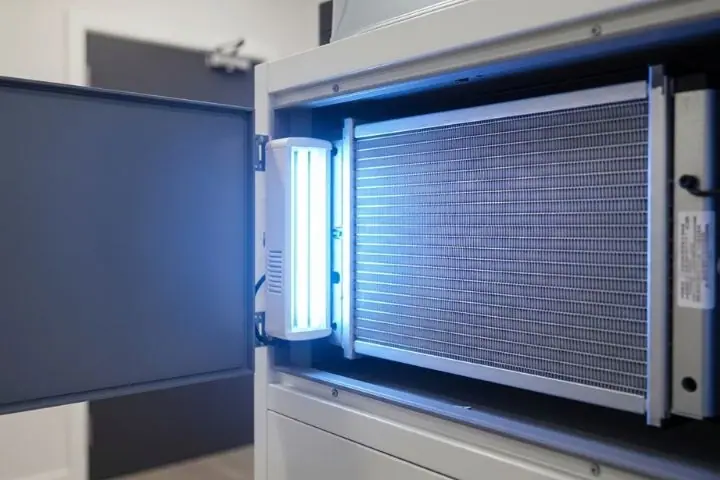
- Install UV lights inside your system to inhibit mold and bacteria on coils and surfaces.
- Use programmable thermostats to avoid excessive temperature swings that can cause condensation.
- Consider annual inspections—see why they’re valuable in our article on air system inspection importance.
FAQ: Mold Prevention in HVAC Systems
How often should I have my HVAC system inspected for mold?
It’s recommended to schedule a professional inspection at least once a year. If your home is in a humid climate or you’ve had previous mold issues, consider more frequent checks.
What type of filter is best for reducing mold risk?
High-efficiency pleated filters (rated MERV 8 or higher) are effective at capturing mold spores and other airborne particles. Replace filters according to manufacturer guidelines or more often if you have pets or allergies.
Can I clean mold out of my HVAC system myself?
Minor mold on accessible surfaces can sometimes be cleaned with a mild detergent and water. However, for widespread contamination or if mold is inside ductwork, it’s best to hire a certified professional to ensure safe and thorough removal.
Does running the fan continuously help prevent mold?
Running the fan can help keep air circulating and reduce moisture buildup, but it’s not a substitute for proper maintenance and humidity control. Always address leaks and condensation promptly.
By following these strategies and staying vigilant, you can significantly reduce the risk of mold growth in your HVAC system. Regular maintenance, prompt repairs, and attention to indoor air quality will help keep your home healthy and comfortable year-round.