
Maintaining clean air in your home is essential for your health, especially if you or your family members suffer from allergies or asthma. One of the most overlooked sources of indoor allergens is your ventilation system. Dust, pollen, pet dander, and mold spores can accumulate in vents and circulate throughout your living spaces, triggering symptoms and reducing air quality. By focusing on keeping vents allergen-free, you can create a healthier environment and minimize respiratory issues all year long.
Taking proactive steps to reduce allergens in your vents not only improves comfort but also supports better long-term health. Regular cleaning, proper filtration, and routine maintenance are key strategies. For more in-depth tips on improving ventilation hygiene, you can explore additional resources that address the importance of clean air systems in the home.
Why Ventilation Systems Collect Allergens
Air ducts and vents act as the lungs of your home, moving heated or cooled air from your HVAC system into each room. Over time, these pathways can collect a variety of allergenic particles:
- Dust mites and their waste products
- Pollen tracked in from outdoors
- Pet hair and dander
- Mold spores, especially in humid climates
- Fibers from carpets, upholstery, and clothing
When your HVAC system runs, these particles can be blown back into your living spaces, leading to sneezing, coughing, itchy eyes, and other allergy symptoms. For those with asthma or respiratory sensitivities, exposure to these airborne irritants can be especially problematic. Understanding the sources of contamination is the first step in keeping vents allergen-free throughout the year.
Routine Cleaning for Allergen Control
One of the most effective ways to reduce allergens in your vents is through regular cleaning. Here are some practical steps you can take:
- Vacuum vent covers and surrounding areas weekly using a vacuum with a HEPA filter.
- Remove and wash vent covers every few months with warm, soapy water to eliminate dust and grime.
- Use a long, flexible brush or a vacuum attachment to gently clean inside the ducts as far as you can reach.
- Consider professional duct cleaning every 2–3 years, or more often if you notice visible mold, excessive dust, or musty odors.
Regular cleaning not only helps with keeping vents allergen-free but also supports the efficiency of your HVAC system. For additional strategies, check out this guide on preventing dust in air ducts to further reduce buildup.
Choosing the Right Air Filters
Air filters play a crucial role in trapping airborne particles before they enter your ductwork and vents. To maximize allergen reduction:
- Use HEPA (High-Efficiency Particulate Air) filters or filters with a high MERV (Minimum Efficiency Reporting Value) rating for your HVAC system.
- Replace disposable filters every 1–3 months, or clean reusable filters as recommended by the manufacturer.
- Check filters more frequently during high pollen seasons or if you have pets.
High-quality filters are essential for keeping vents allergen-free and ensuring that your indoor air remains as clean as possible. For more on the health benefits of proper airflow, see this article on airflow maintenance for health.
Humidity and Mold Prevention
Excess moisture in your home can lead to mold growth inside vents and ducts, which is a significant allergen and respiratory irritant. To prevent mold and control humidity:
- Keep indoor humidity levels between 30% and 50% using dehumidifiers if necessary.
- Address leaks or water damage promptly to prevent mold colonies from forming.
- Ensure your HVAC system is properly draining condensation and that drip pans are clean.
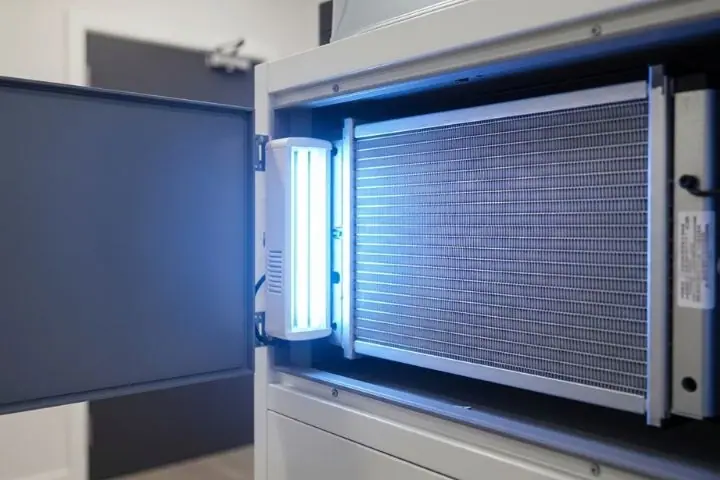
- Consider installing UV lights in your HVAC system to inhibit mold and bacteria growth.
Managing humidity is a vital part of keeping vents allergen-free and maintaining a healthy home environment.
Seasonal Maintenance Tips
Allergen levels can fluctuate throughout the year, so it’s important to adjust your cleaning and maintenance routines accordingly:
- Spring: Pollen counts are highest, so check and replace filters more often. Clean vents after the main pollen season ends.
- Summer: Use air conditioning to keep windows closed and prevent outdoor allergens from entering. Monitor humidity closely.
- Fall: Remove leaves and debris from around outdoor HVAC units. Clean vents to remove dust and mold spores that may have accumulated during humid months.
- Winter: As heating systems run more frequently, dust and dander can build up. Vacuum and dust vents regularly.
By tailoring your approach to the season, you can stay ahead of allergen buildup and keep your home’s air as clean as possible. For a comprehensive approach, read about maintaining clean HVAC system health year-round.
Professional Services and When to Call for Help
While many maintenance tasks can be handled by homeowners, there are times when professional intervention is recommended:
- Visible mold growth inside vents or ducts
- Persistent musty odors despite cleaning
- Unexplained allergy symptoms that don’t improve with routine cleaning
- After home renovations or construction, which can introduce extra dust and debris
Certified HVAC professionals have the tools and expertise to thoroughly clean ductwork, identify hidden sources of allergens, and recommend solutions tailored to your home’s needs. Regular professional maintenance also supports the regular duct maintenance benefits that contribute to long-term health and comfort.
Understanding the Impact of Air Quality on Allergies
Indoor air quality has a direct effect on allergy and asthma symptoms. According to research on how air quality affects asthma, reducing airborne allergens can significantly decrease the frequency and severity of respiratory flare-ups. By focusing on keeping vents allergen-free, you help protect your family from unnecessary exposure to irritants and support overall well-being.
FAQ: Keeping Your Home’s Vents Clean and Allergen-Free
How often should I clean my air vents to reduce allergens?
It’s best to vacuum vent covers weekly and wash them every few months. Deep cleaning inside the ducts can be done seasonally or as needed, and professional duct cleaning is recommended every 2–3 years or if you notice signs of mold or excessive dust.
What type of air filter is most effective for allergy control?
HEPA filters or those with a high MERV rating are most effective at capturing small particles like pollen, dust mites, and pet dander. Replace or clean filters regularly, especially during peak allergy seasons or if you have pets.
Can improving ventilation hygiene help with allergy symptoms?
Yes, maintaining clean vents and proper airflow can significantly reduce the presence of allergens in your home. For more tips, see this resource on improving ventilation hygiene to support a healthier indoor environment.
Conclusion
Staying proactive about keeping vents allergen-free is one of the most effective ways to protect your household from airborne irritants. With regular cleaning, high-quality filtration, humidity control, and seasonal maintenance, you can enjoy cleaner air and fewer allergy symptoms all year. For expert advice or to schedule a professional cleaning, don’t hesitate to Contact Us to Get a Quote and take the next step toward a healthier home.