Maintaining healthy air inside your home is essential for both comfort and well-being. Many homeowners are searching for practical steps to improve the air they breathe every day. With concerns about allergens, mold, and airborne pathogens, having a reliable indoor air quality checklist for homeowners can make a significant difference. One technology gaining attention is ultraviolet (UV) light, which can help neutralize contaminants in HVAC systems and boost overall air cleanliness.
This guide covers actionable steps for evaluating and improving indoor air, with a special focus on UV solutions. You’ll also find expert tips, essential maintenance reminders, and links to further resources on topics like air duct health and uv technology to help you make informed decisions for your home.
Why Indoor Air Quality Matters for Homeowners
Indoor air can be up to five times more polluted than outdoor air. Everyday activities like cooking, cleaning, and even breathing contribute to the buildup of particles and volatile organic compounds (VOCs). Poor air quality can trigger allergies, worsen asthma, and contribute to long-term health issues. That’s why following a thorough checklist is crucial for anyone looking to create a healthier living environment.
Beyond basic cleaning, integrating solutions like UV light into your HVAC system can target contaminants that traditional filters may miss. For those living in humid climates, UV technology is especially valuable in controlling mold and bacteria growth within ductwork and air handlers.
Essential Steps for Your Home Air Quality Checklist
To help you get started, here’s a comprehensive list of actions every homeowner should consider. These steps are designed to address common sources of indoor pollution and maximize the effectiveness of your air cleaning efforts.
- Inspect and Replace Air Filters Regularly: Change HVAC filters every 1–3 months to prevent dust, pollen, and pet dander from circulating.
- Schedule Ductwork Inspections: Have your air ducts checked for dust buildup, leaks, and mold. Professional cleaning may be needed if you notice persistent odors or visible debris.
- Monitor Humidity Levels: Keep indoor humidity between 30% and 50% to discourage mold and dust mites. Use dehumidifiers in damp areas.
- Ventilate Properly: Use exhaust fans in kitchens and bathrooms, and open windows when weather allows to bring in fresh air.
- Control Sources of Pollution: Limit the use of aerosol sprays, scented candles, and harsh cleaning chemicals. Choose low-VOC products whenever possible.
- Consider Air Purifiers: Portable or whole-home air purifiers with HEPA filters can capture fine particles and allergens.
- Integrate UV Light Technology: UV systems installed in your HVAC can help neutralize bacteria, viruses, and mold spores that pass through filters.
For a deeper dive into how UV systems can impact ductwork health, check out this resource on uv light and duct moisture control.
How UV Light Improves Home Air Quality
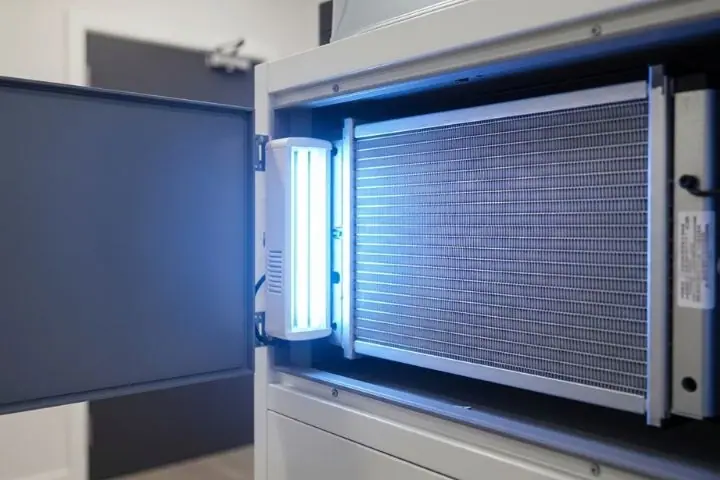
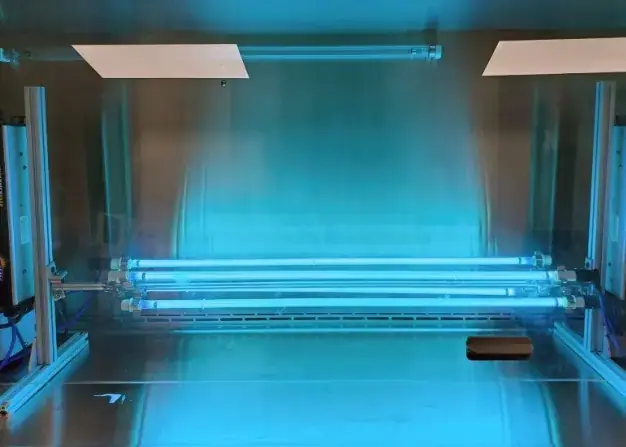
Ultraviolet light has been used for decades in hospitals and laboratories to disinfect air and surfaces. When added to residential HVAC systems, UV lamps can inactivate microorganisms as air circulates through the system. This reduces the risk of mold growth on coils and within ducts, and helps keep airborne pathogens at bay.
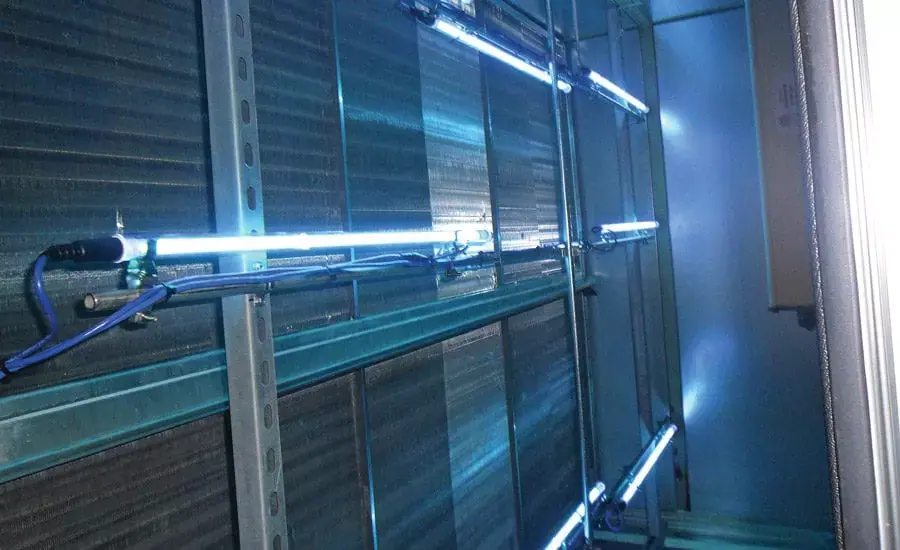
Installing UV lights is a proactive step for those seeking a more comprehensive approach to air cleaning. These systems work continuously, helping to maintain a cleaner HVAC interior and reducing the need for frequent duct cleaning. For homeowners concerned about mold, especially in humid climates, UV solutions can be a game-changer. Learn more about their role in uv light for high-humidity environments.
Choosing and Maintaining UV Systems
Not all UV systems are created equal. When selecting a UV solution for your home, consider the following:
- Type of UV Lamp: Most residential systems use UV-C lamps, which are effective against a broad range of microorganisms.
- Placement: UV lamps are typically installed near the evaporator coil or within the air handler, where moisture and contaminants are most likely to accumulate.
- Maintenance: UV bulbs lose effectiveness over time and should be replaced annually or as recommended by the manufacturer.
- Professional Installation: Proper installation is key to maximizing the benefits and ensuring safety.
For more on keeping your system in top shape, see this article on improving hvac cleanliness with uv light.
Common Indoor Air Pollutants and How UV Helps
Homes can harbor a range of pollutants, including:
- Dust and pet dander
- Mold spores and bacteria
- Viruses
- VOCs from paints, cleaning products, and furnishings
While filters are effective at trapping larger particles, UV light targets the microscopic organisms that can slip through. By disrupting the DNA of bacteria, viruses, and mold, UV systems help prevent these contaminants from multiplying and spreading throughout your home.
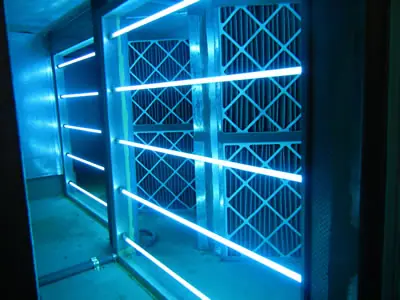
For a balanced perspective on the advantages and limitations of this technology, review this comprehensive guide to the pros and cons of UV light in HVAC systems.
Routine Maintenance and Seasonal Checks
Sticking to a regular maintenance schedule is crucial for keeping your air clean year-round. Here’s a quick seasonal checklist:
- Spring: Replace filters, check for mold in ducts, and schedule a professional HVAC inspection.
- Summer: Monitor humidity and ensure UV lamps are functioning properly.
- Fall: Clean vents and registers, and inspect for dust buildup.
- Winter: Check for drafts and seal leaks to prevent outdoor pollutants from entering.
Addressing these tasks regularly will help you maintain a healthier indoor environment and extend the life of your HVAC system. If you’re particularly concerned about mold, see these effective strategies for reducing mold risk in ductwork.
Frequently Asked Questions
How often should I replace my HVAC UV light?
Most UV lamps should be replaced every 12 months, even if they still appear to be working. Over time, their effectiveness at neutralizing microorganisms diminishes. Always follow the manufacturer’s recommendations for your specific model.
Can UV light eliminate all indoor air pollutants?
UV technology is highly effective against biological contaminants like mold, bacteria, and viruses. However, it does not remove dust, pollen, or chemical pollutants. Combining UV with high-quality filters and proper ventilation offers the best results.
Is UV light safe for my family and pets?
When installed inside HVAC systems by professionals, UV lamps are safely contained and do not expose occupants to direct UV rays. Always ensure proper installation and maintenance to avoid accidental exposure.
Do I need professional installation for a UV system?
Yes, professional installation is recommended to ensure the UV lamp is correctly placed and safely wired. This also helps maximize its effectiveness and lifespan.
Conclusion
Improving the air inside your home is a multi-step process that goes beyond regular cleaning. By following a detailed indoor air quality checklist for homeowners and considering advanced solutions like UV light, you can create a safer, more comfortable living space. Regular maintenance, smart product choices, and professional guidance will help you breathe easier for years to come.