Maintaining a healthy indoor environment is essential for overall well-being, especially when it comes to indoor air quality and respiratory health. With most people spending a significant portion of their time indoors, the air we breathe inside our homes and workplaces can have a profound impact on our lungs and immune system. Poor air quality can trigger allergies, worsen asthma, and increase susceptibility to respiratory infections. Fortunately, modern HVAC solutions offer effective ways to control pollutants and support cleaner, safer air indoors.
This article explores how HVAC systems and advanced technologies can help reduce airborne contaminants, prevent mold growth, and create a healthier living space. We’ll also cover practical steps you can take to improve air quality, the benefits of UV light technology, and answer common questions about keeping your indoor air safe.
One of the most effective ways to address issues like mold and bacteria in your ventilation system is by implementing targeted strategies. For example, reducing mold risk in ductwork can have a direct impact on the cleanliness of your air and the health of your respiratory system. By understanding the sources of indoor air pollution and how HVAC systems can mitigate them, you can make informed decisions for your home or business.
Understanding the Connection Between Air Quality and Respiratory Wellness
Indoor air is often more polluted than outdoor air due to the accumulation of dust, pet dander, pollen, volatile organic compounds (VOCs), and biological contaminants like mold and bacteria. These pollutants can irritate the respiratory tract, trigger allergies, and contribute to chronic conditions such as asthma and bronchitis. Children, the elderly, and those with pre-existing respiratory issues are especially vulnerable to poor air quality.
Common symptoms of exposure to indoor pollutants include coughing, sneezing, shortness of breath, and fatigue. Over time, prolonged exposure can lead to more serious health problems. That’s why it’s crucial to address the sources of pollution and invest in solutions that actively improve the air you breathe.
How HVAC Systems Influence Indoor Air Quality
Your heating, ventilation, and air conditioning system plays a central role in maintaining a healthy indoor environment. A well-maintained HVAC system can filter out particulates, control humidity, and reduce the spread of airborne pathogens. However, if neglected, it can also become a source of contamination, circulating dust, mold spores, and bacteria throughout your living space.
- Filtration: High-efficiency filters trap dust, pollen, and other particulates before they enter your breathing air.
- Humidity Control: Proper humidity levels discourage mold growth and dust mite populations, both of which can aggravate respiratory symptoms.
- Ventilation: Bringing in fresh outdoor air dilutes indoor pollutants and helps maintain oxygen levels.
- Advanced Purification: Technologies like UV lights and air purifiers can neutralize bacteria, viruses, and mold spores.
Regular maintenance, including changing filters and cleaning ducts, is essential for optimal performance and air cleanliness. For more details on advanced cleaning methods, see our guide on improving hvac cleanliness with uv light.
UV Light Technology: A Powerful Tool for Cleaner Air
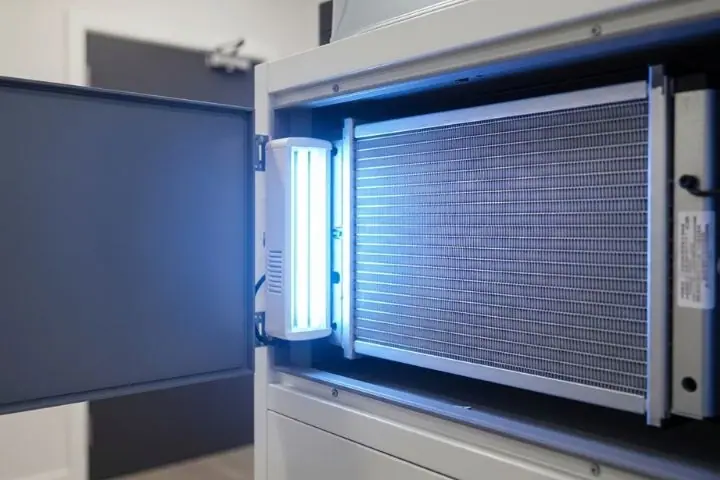
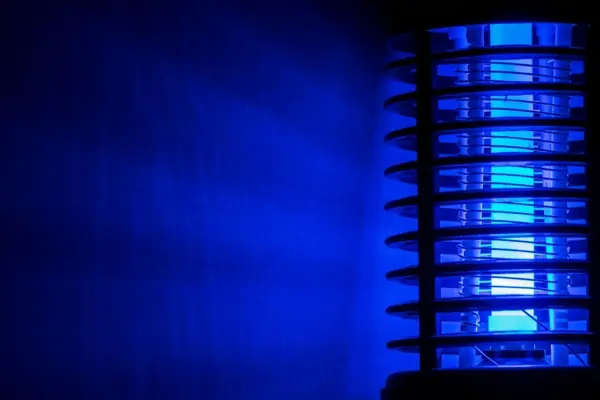
One of the most effective innovations for enhancing indoor air quality and respiratory health is the use of ultraviolet (UV) light in HVAC systems. UV lights are installed within the ductwork or near the evaporator coil, where they can destroy microorganisms before they circulate through your home. This technology is especially valuable in humid climates, where mold and bacteria thrive.
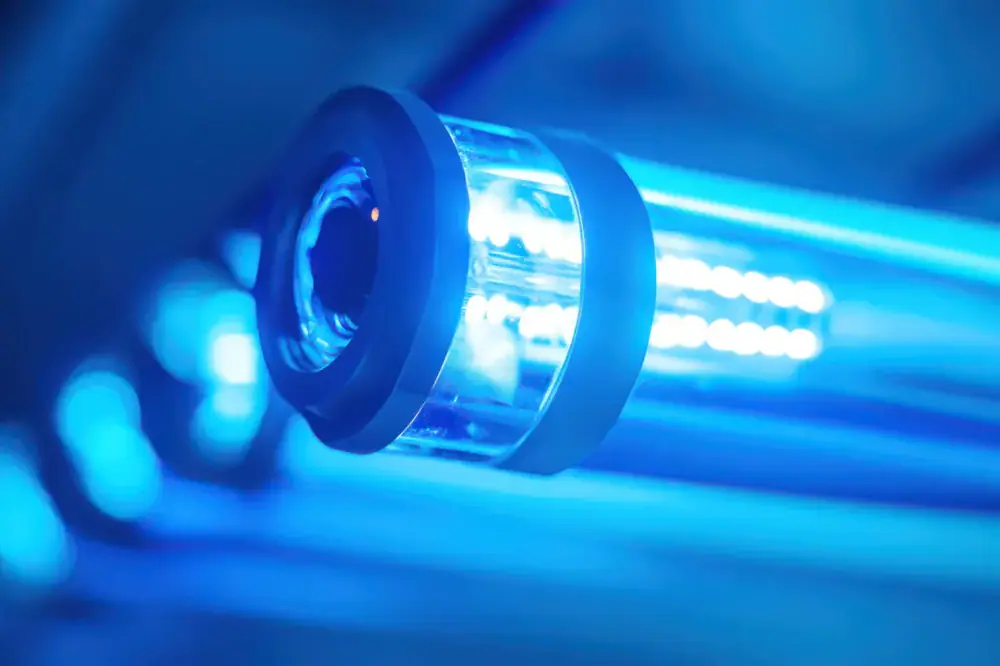
UV light systems work by emitting wavelengths that disrupt the DNA of microorganisms, rendering them harmless. This process can significantly reduce the presence of mold, bacteria, and viruses in your HVAC system. According to research and industry experts, UV technology is a reliable way to supplement traditional filtration and improve air purity.
For a deeper dive into how UV lights function in high-humidity areas, check out our article on uv light for high-humidity environments.
Types of UV Lights Used in HVAC Applications
There are two main types of UV lights commonly used in HVAC systems:
- Coil Sterilization: These UV lights are installed near the evaporator coil, where they continuously disinfect the coil surface, preventing mold and biofilm buildup.
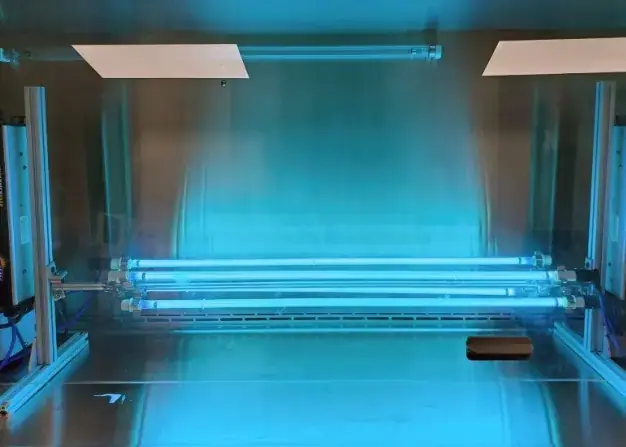
- Air Sterilization: These systems are placed within the ductwork to treat moving air, neutralizing airborne pathogens as air circulates through the system.
Both types offer unique advantages and can be used together for comprehensive protection. The choice depends on your specific needs, system design, and the level of protection you desire. For more information on combining UV technology with moisture control, see our resource on uv light and duct moisture control.
Additional Strategies to Improve Air Quality at Home
While HVAC upgrades make a significant difference, there are several other steps you can take to support indoor air quality and respiratory health:
- Use high-quality air filters and replace them as recommended by the manufacturer.
- Keep humidity levels between 30% and 50% to discourage mold and dust mites.
- Ventilate your home regularly by opening windows or using mechanical ventilation systems.
- Clean and vacuum floors, carpets, and upholstery frequently to remove dust and allergens.
- Avoid smoking indoors and minimize the use of products that emit VOCs, such as certain paints and cleaning agents.
- Consider adding portable air purifiers with HEPA filters for extra protection in bedrooms or high-traffic areas.
For more tips on maintaining ductwork and preventing contamination, our article on air duct health and uv technology provides practical advice.
Benefits of UV Lights in HVAC Systems
Integrating UV lights into your HVAC system offers several advantages:
- Reduces the spread of airborne pathogens, including bacteria, viruses, and mold spores.
- Improves overall air cleanliness and reduces unpleasant odors.
- Helps maintain system efficiency by preventing biological buildup on coils and in ducts.
- Supports better respiratory health for all occupants, especially those with allergies or asthma.
To learn more about the science and real-world results of UV technology, visit this in-depth overview of UV light benefits in HVAC systems.
FAQ: Indoor Air Quality and Respiratory Health
How often should I replace my HVAC air filter for optimal air quality?
Most manufacturers recommend replacing standard air filters every 1–3 months. However, if you have pets, allergies, or live in a dusty environment, you may need to change them more frequently. High-efficiency filters may have different schedules, so always follow the manufacturer’s guidelines.
Can UV lights eliminate all indoor air pollutants?
UV lights are highly effective at neutralizing biological contaminants like mold, bacteria, and viruses. However, they do not remove dust, pollen, or chemical pollutants. For comprehensive protection, combine UV technology with high-quality filtration and regular cleaning.
Is professional installation necessary for HVAC UV lights?
Yes, professional installation is recommended to ensure the UV lights are positioned correctly and safely within your HVAC system. Proper installation maximizes effectiveness and prevents accidental exposure to UV radiation.
What are signs that my indoor air quality may be poor?
Common indicators include persistent dust, musty odors, frequent allergy symptoms, and visible mold growth. If you notice these signs, consider having your HVAC system inspected and upgrading your air purification methods.
By taking proactive steps and leveraging modern HVAC solutions, you can create a safer, more comfortable environment that supports long-term respiratory wellness. For personalized advice or to explore UV light installation options, don’t hesitate to contact us to get a quote.