Maintaining a clean and healthy indoor environment is a top priority for many homeowners. One area that often gets overlooked is the sanitation of HVAC systems. Over time, heating, ventilation, and air conditioning units can accumulate dust, mold, bacteria, and other contaminants. These pollutants not only affect air quality but can also impact the efficiency and lifespan of your equipment. Understanding the various hvac sanitation methods explained in this guide will help you make informed decisions about keeping your home’s air clean and your system running smoothly.
Modern sanitation techniques for HVAC systems go beyond basic filter changes. They include advanced solutions like UV light technology, chemical treatments, and routine duct cleaning. Each method has its own benefits and considerations, and choosing the right approach depends on your home’s needs, climate, and existing air quality concerns.
For those interested in the science behind these solutions, our article on air duct health and uv technology offers a deeper look at how UV lights and other innovations can improve your indoor air quality.
Why HVAC Sanitation Matters for Your Home
Clean air is essential for comfort and health. When HVAC systems are neglected, they can become breeding grounds for mold, bacteria, and allergens. These contaminants are then circulated throughout your home, potentially causing respiratory issues, allergies, and unpleasant odors. Regular sanitation not only helps protect your family’s health but also improves system efficiency, reduces energy costs, and extends the lifespan of your equipment.
In regions with high humidity or frequent temperature changes, the risk of microbial growth inside ducts and coils increases. This makes it even more important to understand and implement effective cleaning and disinfection strategies.
Overview of Common HVAC Cleaning and Disinfection Techniques
There are several proven approaches to keeping your HVAC system clean. Here are the most widely used methods:
- Mechanical Cleaning: This involves physically removing dust, debris, and buildup from ducts, coils, and other components using brushes, vacuums, and compressed air.
- Chemical Disinfection: Specialized cleaning agents are applied to kill bacteria, mold, and viruses. These chemicals are designed to be safe for HVAC materials and indoor air when used correctly.
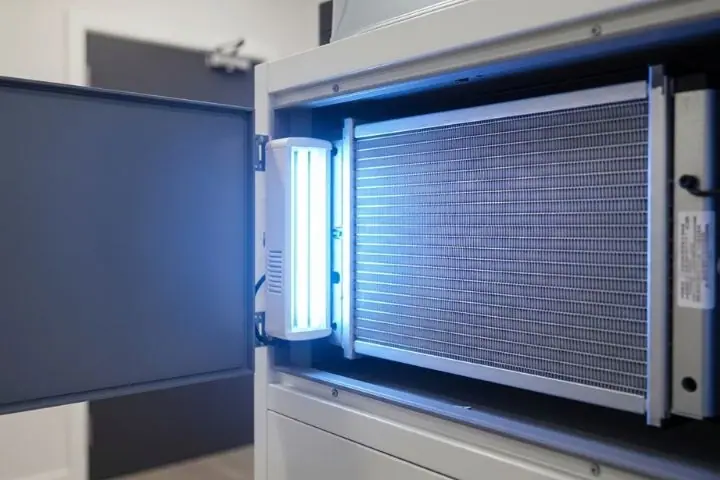
- UV Light Technology: Ultraviolet germicidal irradiation (UVGI) uses UV-C light to destroy microorganisms as air passes through the system. This method is gaining popularity for its effectiveness and low maintenance requirements.
- Filter Upgrades: Installing high-efficiency filters can trap smaller particles and reduce the amount of dust and allergens entering your system.
Each of these methods can be used alone or in combination, depending on the specific needs of your home and the recommendations of HVAC professionals.
How UV Light Solutions Work in HVAC Systems
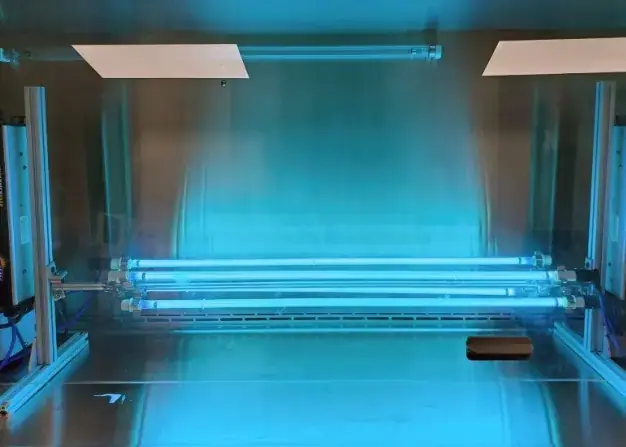
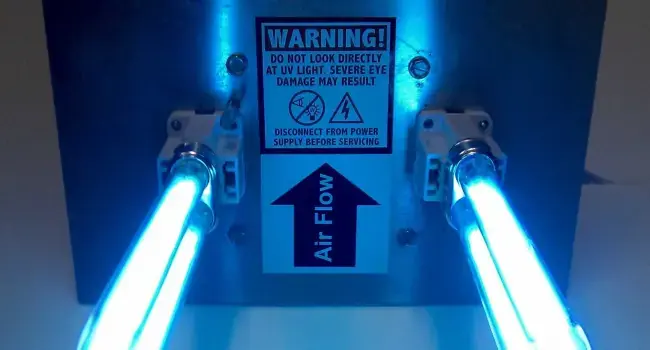
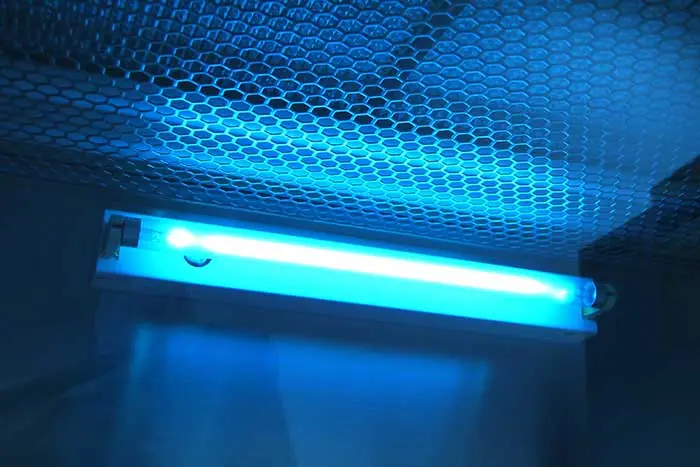
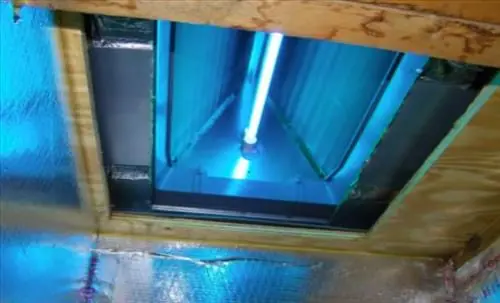
One of the most innovative hvac sanitation methods explained in recent years is the use of UV light. UV-C lamps are installed inside the air handler or ductwork, where they emit ultraviolet rays that disrupt the DNA of microorganisms. This process effectively neutralizes bacteria, viruses, and mold spores, preventing them from reproducing and spreading through your home.
UV light systems require minimal maintenance, typically just an annual bulb replacement. They operate silently and continuously, providing round-the-clock protection. For homes in humid climates or with a history of mold issues, UV technology can be a game-changer. Learn more about its benefits in our guide to improving hvac cleanliness with uv light.
It’s important to note that while UV lights are effective against biological contaminants, they do not remove dust or larger particles. Combining UV technology with regular mechanical cleaning and high-quality filters offers the best results.
Mechanical and Chemical Cleaning: What Homeowners Should Know
Mechanical cleaning remains a cornerstone of HVAC maintenance. Professional technicians use specialized tools to dislodge and remove accumulated debris from ducts, coils, and blower components. This process not only improves airflow but also reduces the risk of fire hazards and system breakdowns.
Chemical disinfection is often used alongside mechanical cleaning, especially in cases of mold or bacterial contamination. EPA-registered disinfectants are applied to surfaces within the system, targeting pathogens that may not be removed by brushing or vacuuming alone. Homeowners should always ensure that any chemicals used are approved for HVAC applications and safe for indoor environments.
For those dealing with persistent moisture or mold, our resource on uv light and duct moisture control provides additional strategies for long-term prevention.
Potential Risks and Considerations with Advanced Sanitation
While advanced sanitation methods offer significant benefits, homeowners should be aware of potential drawbacks. For example, improper use of chemical disinfectants can leave residues or damage system components. Overuse of UV lights, or incorrect installation, may lead to material degradation or, in rare cases, contribute to indoor air pollution. The National Institute of Standards and Technology highlights concerns about UV disinfection lights and possible indoor air pollution when these systems are not properly managed.
To minimize risks, always consult with certified HVAC professionals and follow manufacturer recommendations. Regular inspections and maintenance can help ensure that your sanitation solutions are effective and safe.
Best Practices for Maintaining a Clean HVAC System
Consistent maintenance is the key to a healthy HVAC system. Here are some practical tips for homeowners:
- Change or clean air filters every 1–3 months, depending on usage and filter type.
- Schedule professional duct cleaning every 3–5 years, or more often if you notice dust buildup or mold growth.
- Inspect and clean evaporator and condenser coils annually to maintain efficiency.
- Consider installing UV-C lights if you have concerns about biological contaminants.
- Monitor humidity levels in your home to discourage mold and bacteria growth.
- Address water leaks or condensation issues promptly to prevent microbial infestations.
For homes in damp climates, our article on uv light for high-humidity environments provides targeted advice on preventing mold and maintaining air quality.
FAQ: Homeowner Questions About HVAC Sanitation
How often should I have my HVAC system professionally cleaned?
Most experts recommend professional cleaning every 3–5 years. However, if you notice visible mold, dust buildup, or experience allergy symptoms, more frequent cleaning may be necessary. Homes with pets, smokers, or high humidity may also require additional attention.
Are UV lights safe for my HVAC system and my family?
When installed and maintained correctly, UV-C lights are safe and effective for reducing biological contaminants. They should be placed inside the HVAC system, away from direct human exposure. Always follow manufacturer guidelines and have a professional handle installation and maintenance.
Can I use chemical disinfectants myself, or should I hire a professional?
While some cleaning products are available for homeowner use, it’s best to leave chemical disinfection to trained professionals. They have access to EPA-registered products and the expertise to apply them safely without damaging your system or affecting indoor air quality.
Do advanced sanitation methods eliminate all indoor air pollutants?
No single method can remove every type of contaminant. Combining mechanical cleaning, upgraded filtration, UV technology, and humidity control provides the most comprehensive protection for your home’s air quality.
What are the signs that my HVAC system needs sanitation?
Common indicators include persistent dust, musty odors, visible mold, increased allergy symptoms, and reduced airflow. If you notice any of these, schedule an inspection with a qualified HVAC technician.
Understanding the range of hvac sanitation methods explained here empowers homeowners to take proactive steps toward a cleaner, healthier indoor environment. By combining regular maintenance, advanced technologies, and professional expertise, you can ensure your HVAC system supports your family’s well-being year-round.