Maintaining a healthy indoor environment is essential for comfort and well-being. One of the most effective ways to achieve this is by following hvac hygiene best practices. Clean air systems not only improve air quality but also enhance system efficiency and reduce long-term maintenance costs. This article explores proven methods for keeping your heating, ventilation, and air conditioning systems clean, with a focus on practical steps and the latest technologies.
Proper HVAC maintenance helps prevent the buildup of dust, mold, and other contaminants that can circulate throughout your home or business. By adopting a proactive approach, you can minimize health risks and ensure your air system operates at peak performance. If you’re interested in more targeted strategies, such as reducing mold risk in ductwork, there are specialized resources available to address specific concerns.
Why Air System Cleanliness Matters
Indoor air can contain a variety of pollutants, including dust, pollen, bacteria, and volatile organic compounds. When HVAC systems are not properly maintained, these contaminants can accumulate in ducts and on system components. Over time, this buildup can affect both air quality and system performance.
- Health Benefits: Cleaner systems reduce the spread of allergens and pathogens, helping to prevent respiratory issues and allergic reactions.
- Energy Efficiency: Well-maintained equipment operates more efficiently, lowering energy consumption and utility bills.
- System Longevity: Regular cleaning and maintenance extend the life of your HVAC components, reducing the need for costly repairs or replacements.
Core HVAC Hygiene Best Practices
Implementing a consistent hygiene routine is key to maintaining clean indoor air. Here are some essential steps to follow:
- Regular Filter Changes: Replace or clean air filters every 1–3 months, depending on usage and filter type. Clogged filters restrict airflow and allow contaminants to circulate.
- Routine Duct Cleaning: Schedule professional duct cleaning every few years, or more frequently if you notice dust buildup or signs of mold. This helps remove accumulated debris and improves air flow.
- Inspect and Clean Coils: Evaporator and condenser coils should be checked and cleaned annually to prevent dust and microbial growth, which can reduce efficiency and air quality.
- Drain Pan and Line Maintenance: Ensure condensate pans and drain lines are clear of blockages to prevent water leaks and mold growth.
- Seal Leaks: Inspect ductwork for leaks or gaps that can introduce contaminants and reduce system efficiency. Proper sealing keeps the system clean and improves performance.
Advanced Solutions: UV Light and Air Purification
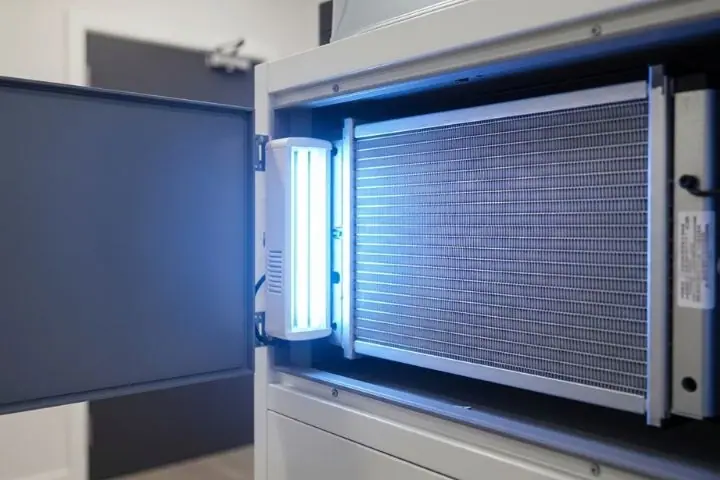
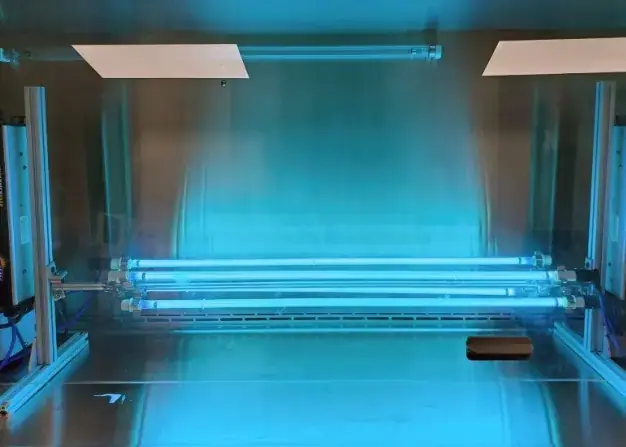
Modern HVAC systems can be equipped with ultraviolet (UV) light technology and advanced air purifiers to further enhance cleanliness. UV lights are particularly effective at neutralizing bacteria, viruses, and mold spores that may be present in the air or on system surfaces.
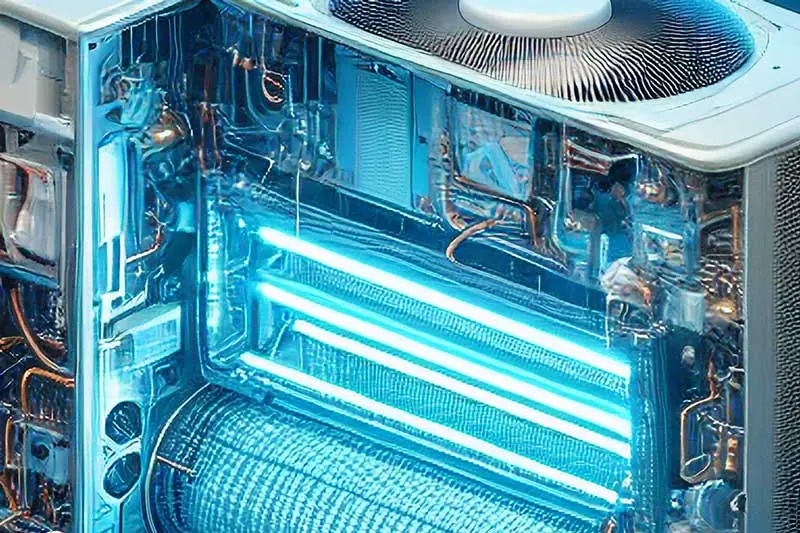
For environments with high humidity or frequent moisture issues, UV solutions can be especially valuable. Learn more about uv light for high-humidity environments and how they help prevent mold and microbial contamination.
Additionally, air purifying systems with HEPA filters or electronic air cleaners can capture fine particles and further reduce airborne contaminants. These technologies work in tandem with regular cleaning to provide a comprehensive approach to air system hygiene.
To understand how UV technology can be integrated for optimal results, see the guide on improving hvac cleanliness with uv light.
Key Areas to Monitor for Optimal Results
Maintaining high standards of cleanliness involves monitoring several critical components:
- Ductwork: Regularly check for dust, debris, and signs of moisture. Address any issues promptly to prevent mold and bacteria growth.
- Air Handlers: Inspect and clean blower motors, fans, and housings to ensure efficient operation and reduce contaminant buildup.
- Vents and Registers: Clean supply and return vents to prevent dust recirculation and maintain balanced airflow.
- Humidity Levels: Keep indoor humidity between 30–50% to discourage mold and dust mite proliferation.
For a deeper dive into maintaining duct health and the role of UV technology, the article on air duct health and uv technology offers further insights.
Professional Maintenance and Inspection
While many hygiene tasks can be handled by property owners, some procedures require professional expertise. Annual inspections by certified HVAC technicians help identify hidden issues and ensure all components are functioning properly. Technicians can also recommend upgrades, such as UV light installation or advanced filtration systems, tailored to your specific needs.
For comprehensive advice on managing moisture and preventing microbial growth, see the resource on uv light and duct moisture control. These strategies are particularly important in climates prone to high humidity or frequent condensation.
Choosing the Right Technology for Your System
With a range of air purification and UV light options available, selecting the right solution depends on your building’s size, usage patterns, and environmental factors. When evaluating products, consider:
- Effectiveness: Look for independently tested systems that demonstrate proven results in reducing airborne pathogens and particulates.
- Compatibility: Ensure the technology integrates seamlessly with your existing HVAC setup.
- Maintenance Requirements: Choose solutions that are easy to maintain and have accessible replacement parts.
- Cost: Factor in both initial investment and long-term operational expenses.
For a detailed explanation of how UV lights work within HVAC systems, the Trane UV lights for HVAC glossary provides a thorough overview.
Maintaining a Routine for Lasting Results
Consistency is the foundation of effective air system hygiene. Establish a maintenance schedule that includes:
- Monthly filter checks and replacements as needed
- Quarterly inspections of vents, registers, and visible ductwork
- Annual professional servicing and deep cleaning
- Regular monitoring of humidity and system performance
Documenting your maintenance activities can help track system health over time and provide valuable information for technicians during service visits.
Frequently Asked Questions
How often should HVAC filters be changed for optimal air quality?
Most filters should be replaced every 1–3 months, but this can vary based on usage, filter type, and environmental factors. Homes with pets or allergy sufferers may require more frequent changes to maintain clean air.
Is professional duct cleaning necessary for every building?
While not every building needs frequent duct cleaning, it is recommended every few years or if you notice visible dust, mold, or musty odors. Regular inspections can help determine the right schedule for your property.
What are the benefits of installing UV lights in HVAC systems?
UV lights help neutralize bacteria, viruses, and mold spores within the system, reducing the risk of airborne contamination. They are especially effective in humid environments or where mold growth has been a concern.
Can I install advanced air purification systems myself?
Some portable air purifiers are suitable for DIY installation, but integrated solutions such as UV lights or whole-house purifiers should be installed by qualified professionals to ensure safety and effectiveness.
By following these hvac hygiene best practices and staying proactive with maintenance, you can enjoy cleaner indoor air, improved system efficiency, and a healthier living or working environment.