Maintaining a healthy indoor environment has become a top priority for building owners, facility managers, and homeowners alike. With concerns about air quality, mold growth, and the spread of airborne pathogens, many are searching for effective solutions to create cleaner, safer spaces. One technology gaining attention is the use of UV lights in HVAC systems and air handling units. Understanding how UV lights support healthy buildings can help you make informed decisions about improving indoor air quality and reducing health risks.
UV (ultraviolet) light technology has been used for decades in hospitals and laboratories to disinfect air, surfaces, and water. Today, it’s increasingly being adopted in commercial and residential buildings to combat airborne contaminants and support overall building wellness. Before diving into the science and practical applications, it’s important to recognize how UV technology fits into a broader strategy for indoor environmental health. For example, combining UV solutions with moisture management can further reduce risks, as explored in resources like UV light and duct moisture control.
The Science Behind UV Light and Indoor Air Quality
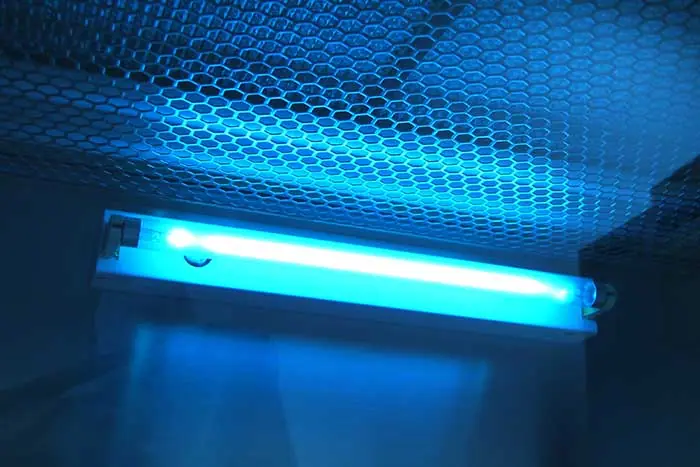
Ultraviolet light is a form of electromagnetic radiation with wavelengths shorter than visible light. The most relevant type for air purification is UV-C, which has germicidal properties. When installed in HVAC systems, UV-C lamps emit energy that penetrates the cell walls of microorganisms such as bacteria, viruses, and mold spores, disrupting their DNA and rendering them inactive or unable to reproduce.
This process, known as ultraviolet germicidal irradiation (UVGI), is highly effective at reducing the microbial load in air handling units and ductwork. By targeting contaminants at the source, UV-C technology can help prevent the spread of illness and minimize the accumulation of biofilm on HVAC components.
Key Benefits of UV Technology for Building Health
Integrating UV-C lamps into your building’s HVAC system offers several advantages that contribute to a healthier indoor environment:
- Reduction of Airborne Pathogens: UV-C light can inactivate a wide range of viruses, bacteria, and mold spores, lowering the risk of respiratory infections and allergic reactions.
- Improved HVAC Efficiency: By keeping coils and drain pans free from microbial buildup, UV lamps help maintain optimal airflow and heat exchange, reducing energy consumption and maintenance needs.
- Odor Control: UV technology can break down volatile organic compounds (VOCs) and other odor-causing agents, resulting in fresher indoor air.
- Support for Mold Prevention: In humid climates or buildings with moisture issues, UV-C lamps can be a valuable tool for reducing mold risk in ductwork and other vulnerable areas.
How UV Lights Are Installed and Used in Buildings
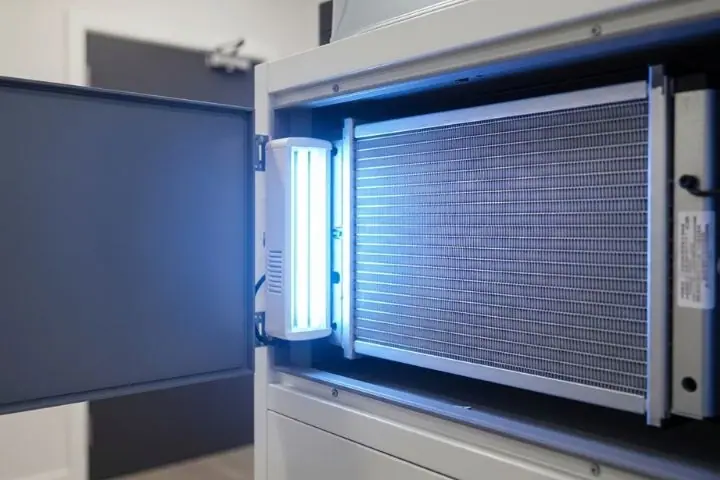
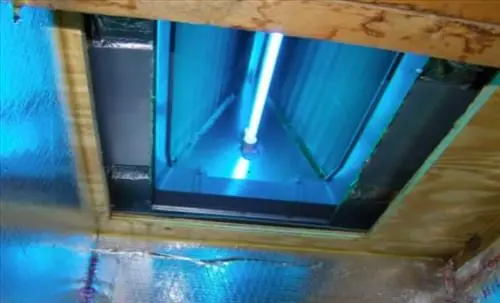
There are several ways to incorporate UV-C technology into a building’s air system. The most common approach is to install UV lamps inside the HVAC air handler, typically near the evaporator coil and drain pan. These areas are prone to moisture accumulation and microbial growth, making them ideal targets for disinfection.
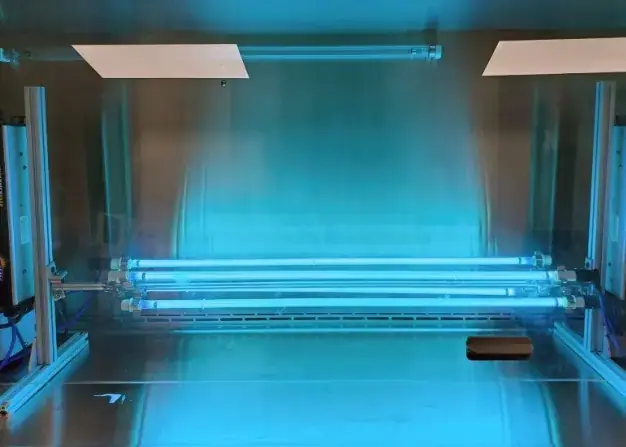
Some systems also use in-duct UV lamps to treat air as it passes through the ventilation system. The choice of installation depends on the building’s layout, HVAC design, and specific air quality concerns. For environments with high humidity, specialized solutions are available, as detailed in UV light for high-humidity environments.
Integrating UV Solutions with Other Air Quality Strategies
While UV-C lamps are powerful tools for disinfection, they work best as part of a comprehensive indoor air quality plan. Combining UV technology with high-efficiency filtration, humidity control, and regular HVAC maintenance ensures the greatest impact on building health.
For instance, pairing UV-C lamps with HEPA or MERV-rated filters can capture and neutralize a broader spectrum of contaminants. Managing moisture is also critical, as excess humidity can promote mold growth even in the presence of UV light. Resources like improving HVAC cleanliness with UV light offer practical tips for maximizing the benefits of these combined approaches.
Considerations for Selecting and Maintaining UV Systems
When evaluating UV-C solutions for your building, consider the following factors:
- System Compatibility: Ensure the UV lamps are designed for your specific HVAC model and airflow capacity.
- Lamp Placement and Intensity: Proper positioning and adequate UV-C output are essential for effective disinfection.
- Maintenance Requirements: UV lamps lose effectiveness over time and should be replaced according to manufacturer recommendations, usually every 12–24 months.
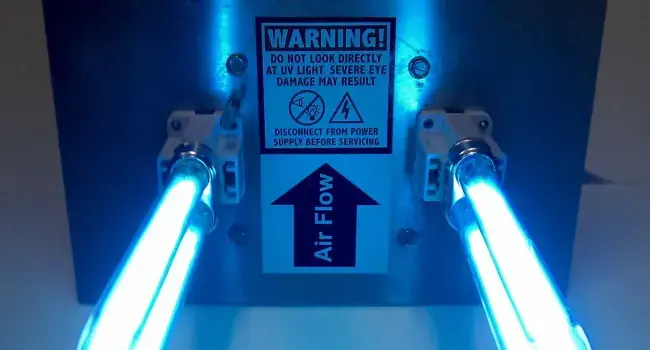
- Safety Precautions: UV-C light can be harmful to skin and eyes. Professional installation and proper shielding are necessary to prevent accidental exposure.
Consulting with HVAC professionals who understand the nuances of UV technology can help you select the right system and ensure safe, effective operation.
Real-World Results: UV Technology in Action
Numerous studies and real-world applications have demonstrated the positive impact of UV-C lamps on indoor air quality and system performance. Facilities that implement UV solutions often report:
- Lower rates of absenteeism due to illness
- Reduced complaints about odors and allergies
- Extended lifespan of HVAC equipment
- Lower maintenance costs and improved energy efficiency
For a deeper look at the benefits and case studies, see this comprehensive overview of UV lights in HVAC systems.
Supporting Cleaner Air and Healthier Buildings for the Future
As awareness of indoor environmental quality grows, more building owners are turning to advanced technologies to safeguard occupant health. UV-C lamps offer a proven, low-maintenance method for reducing airborne pathogens and supporting cleaner air. When integrated with other best practices—such as moisture management, filtration, and regular system cleaning—UV technology can play a vital role in creating healthier, more resilient buildings.
For those interested in learning more about the intersection of duct health and UV solutions, air duct health and UV technology provides further insights into optimizing your HVAC system for wellness.
Frequently Asked Questions
Are UV Lights Safe for Use in Homes and Offices?
When installed and maintained properly, UV-C lamps are safe for use in HVAC systems. The light is contained within the air handler or ductwork, preventing direct exposure to occupants. It’s important to follow manufacturer guidelines and have systems installed by qualified professionals to ensure safety.
How Often Should UV Lamps Be Replaced?
Most UV-C lamps lose effectiveness after 12–24 months of continuous use. Regular replacement according to the manufacturer’s instructions is essential for maintaining optimal performance and air quality benefits.
Can UV Technology Eliminate Mold in Ductwork?
UV-C lamps are highly effective at inactivating mold spores and preventing growth on HVAC components. However, they should be used in conjunction with moisture control and filtration for the best results. For more detailed strategies, refer to resources on reducing mold risk in ductwork.