Ultraviolet (UV) lights have become a popular addition to many heating, ventilation, and air conditioning (HVAC) systems. Homeowners and building managers are increasingly interested in how these devices can improve indoor air quality and reduce the presence of mold and bacteria. However, there are common misconceptions about HVAC UV lights that often lead to confusion or unrealistic expectations. Understanding what these systems can and cannot do is essential for making informed decisions about your HVAC setup.
In this article, we’ll clarify the most frequent myths surrounding HVAC UV lights, explain their actual benefits and limitations, and provide guidance on how to maximize their effectiveness. If you’re considering adding UV technology to your HVAC system, or just want to separate fact from fiction, this guide will help you make sense of the available information.
For those interested in a deeper dive into related topics, our resource on air duct health and uv technology covers how UV solutions interact with ductwork and overall system hygiene.
Understanding the Role of UV Lights in HVAC Systems
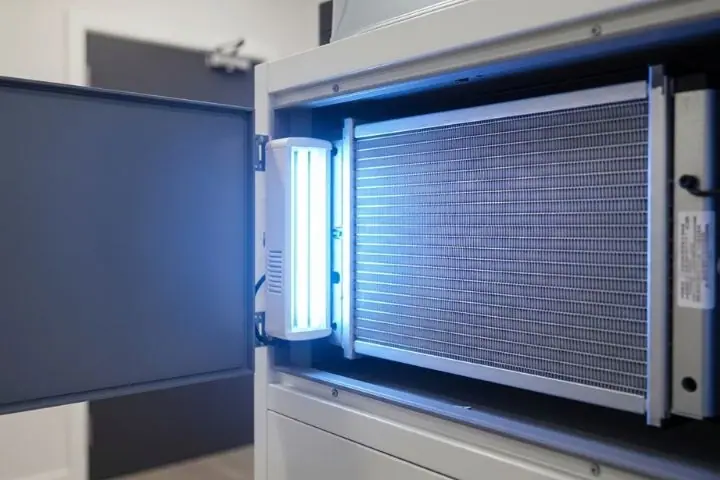
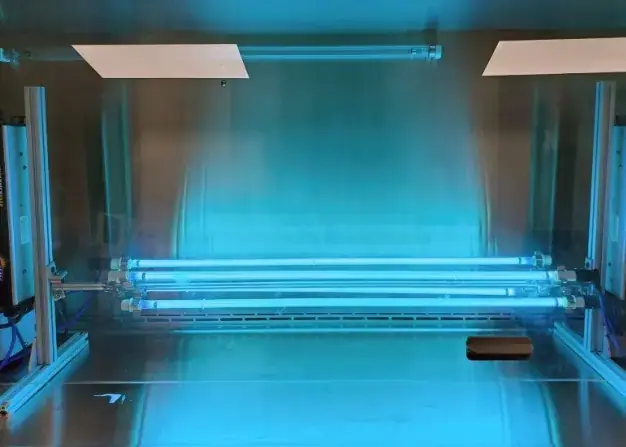
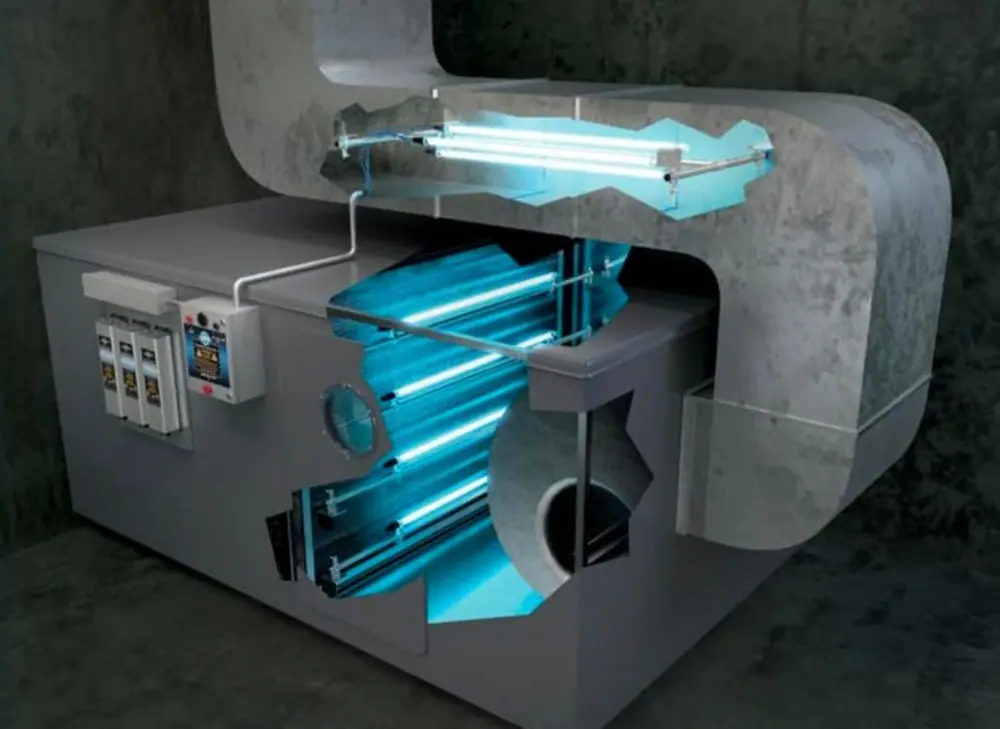
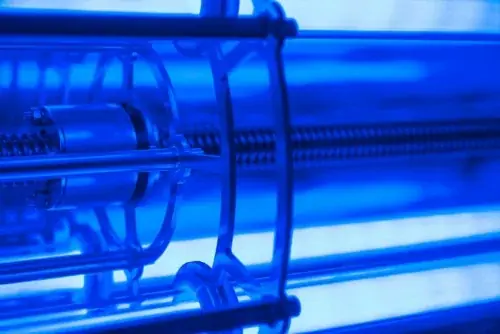
Before addressing the myths, it’s important to understand how UV lights function within HVAC systems. These devices emit ultraviolet-C (UVC) light, which has germicidal properties. When installed in the air handler or ductwork, UVC lamps can disrupt the DNA of microorganisms such as mold spores, bacteria, and some viruses, rendering them inactive or unable to reproduce. This process helps reduce microbial growth on coils and other internal surfaces, which can improve system efficiency and indoor air quality.
However, the effectiveness of UV lights depends on several factors, including placement, intensity, exposure time, and maintenance. Misunderstandings about these aspects have given rise to several persistent myths.
Myth 1: UV Lights Eliminate All Indoor Air Pollutants
One of the most common misconceptions about HVAC UV lights is that they can remove every type of contaminant from the air. While UVC technology is effective against many biological pollutants, it does not address non-living particulates such as dust, pet dander, or chemical fumes. These particles require mechanical filtration, such as HEPA filters, to be effectively removed from the air.
UV lights are best used as a supplement to, not a replacement for, traditional filtration and ventilation strategies. For comprehensive air quality improvement, a layered approach that combines UV technology with proper filtration and humidity control is recommended.
Myth 2: All UV Lights Are Equally Effective
Another widespread misunderstanding is the belief that any UV light will deliver the same results. In reality, the effectiveness of UV lamps varies based on their design, wattage, and installation location. For example, lamps installed near the evaporator coil are primarily intended to prevent mold and biofilm buildup on that surface, while in-duct UV systems target airborne microbes as air passes through the ductwork.
Proper sizing and professional installation are crucial to ensure that the UV system delivers the intended benefits. Consulting with a qualified HVAC technician can help you select the right type of UV light for your specific needs and system configuration.
Myth 3: UV Lights Require No Maintenance
Some believe that once installed, UV lamps are a “set it and forget it” solution. In truth, these devices require regular maintenance to remain effective. The bulbs gradually lose intensity over time and typically need to be replaced every 12 to 24 months, depending on the manufacturer and usage. Dust and debris can also accumulate on the lamp surface, reducing its germicidal power.
Routine inspection and cleaning, along with timely bulb replacement, are necessary to ensure that your UV system continues to perform as expected. Neglecting maintenance can significantly diminish the benefits of the technology.
Myth 4: UV Lights Are Harmful to Occupants
Concerns about safety are common when discussing UV technology. It’s true that direct exposure to UVC light can be harmful to skin and eyes. However, when installed correctly inside HVAC equipment or ductwork, the light is contained and poses no risk to building occupants. Most systems are designed with safety features to prevent accidental exposure during maintenance.
As with any electrical device, professional installation and adherence to manufacturer guidelines are essential for safe operation. If you have questions about safety, consult your HVAC provider for clarification.
Myth 5: UV Lights Instantly Improve Air Quality
Some expect immediate results after installing a UV system. While these devices start working as soon as they are powered on, their impact on overall air quality may take time to become noticeable. UV lights gradually reduce microbial buildup on coils and in ductwork, which can lead to improved airflow and reduced odors over weeks or months.
For those dealing with persistent mold or moisture issues, pairing UV technology with other solutions—such as those discussed in our guide on uv light and duct moisture control—can accelerate results and provide more comprehensive protection.
What UV Lights Really Do for Your HVAC System
When used appropriately, UV lights offer several tangible benefits for HVAC systems:
- Reduce microbial growth on coils and other surfaces, helping to maintain system efficiency.
- Lower the risk of mold and bacteria circulating through ductwork.
- Support improved indoor air quality when combined with proper filtration and humidity control.
- Can extend the lifespan of HVAC components by minimizing biofilm buildup.
For more information on maximizing the benefits of UV technology, see our article on improving hvac cleanliness with uv light.
It’s important to note that UV lights are not a cure-all. They are most effective as part of a comprehensive indoor air quality strategy that includes regular maintenance, filtration, and moisture management. For homes in humid climates, additional steps such as those outlined in uv light for high-humidity environments may be necessary to prevent mold growth.
How to Choose and Maintain an HVAC UV System
If you’re considering adding UV technology to your HVAC system, keep the following tips in mind:
- Consult a professional to determine the best type and placement for your system.
- Ensure the UV lamp is properly sized for your HVAC unit and installed in a location where it will be most effective.
- Schedule regular maintenance, including bulb replacement and cleaning, to keep the system functioning optimally.
- Combine UV technology with high-quality air filters and humidity control for the best results.
For a detailed look at the advantages of UV systems, the top benefits of installing a UV light system for air conditioners are outlined in this comprehensive guide.
Frequently Asked Questions
Do UV Lights in HVAC Systems Kill Viruses and Bacteria?
Yes, UVC lamps are effective at inactivating many types of bacteria and viruses by disrupting their DNA or RNA. However, the degree of effectiveness depends on factors such as exposure time, intensity, and the specific microorganism. UV lights are most effective when used alongside other air quality measures.
Are UV Lights Safe for My Family and Pets?
When installed inside HVAC equipment or ductwork, UV lights are safely contained and do not pose a risk to occupants or pets. Direct exposure to UVC light should be avoided, but properly installed systems are designed to prevent accidental contact.
Will Installing UV Lights Reduce Mold in My Ductwork?
UV technology can help prevent mold growth on HVAC coils and surfaces within the air handler. For ductwork, effectiveness depends on lamp placement and system design. For persistent mold issues, consider additional strategies such as regular duct cleaning and moisture control, as discussed in our article on reducing mold risk in ductwork.
Conclusion
Understanding the facts about UV lights in HVAC systems is essential for making informed decisions about your indoor air quality strategy. While these devices offer valuable benefits, they are not a one-size-fits-all solution. By recognizing and addressing common misconceptions about HVAC UV lights, you can set realistic expectations and ensure your system delivers the best possible results. For tailored advice or to explore your options, reach out to a trusted HVAC professional.