Maintaining clean air inside your home is essential for your health and comfort. Many people are surprised to learn that indoor air can be more polluted than outdoor air, with contaminants like dust, mold spores, pet dander, and volatile organic compounds (VOCs) accumulating over time. Understanding the best ways to improve indoor air quality can help reduce allergy symptoms, prevent respiratory issues, and create a safer environment for everyone in your household.
From simple habits to advanced technologies, there are several effective strategies to make the air in your living space cleaner and healthier. This article explores practical steps you can take, including ventilation, filtration, and the use of specialized equipment. If you’re concerned about mold or allergens, solutions such as uv light for hvac mold control can be particularly effective for ongoing protection.
Why Indoor Air Quality Matters
Poor air quality indoors can lead to a range of health problems, from minor irritations like headaches and fatigue to more serious conditions such as asthma and chronic respiratory diseases. Children, the elderly, and those with pre-existing health conditions are especially vulnerable. Improving the air you breathe at home is not just about comfort—it’s about safeguarding your family’s well-being.
Common sources of indoor air pollution include:
- Dust mites and pet dander
- Mold and mildew growth
- Household cleaning products and chemicals
- Cooking fumes and smoke
- Pollen and outdoor pollutants entering through windows and doors
Addressing these sources is the first step toward a cleaner, healthier home environment.
Ventilation: The Foundation of Cleaner Air
One of the best ways to improve indoor air quality is to ensure your home is properly ventilated. Good airflow helps dilute and remove contaminants, replacing stale air with fresh outdoor air. Here are some practical tips:
- Open windows and doors when weather permits, especially during activities like cooking or cleaning.
- Use exhaust fans in bathrooms and kitchens to vent moisture and odors outside.
- Consider installing a mechanical ventilation system if your home is tightly sealed for energy efficiency.
Regular ventilation is a simple yet effective way to reduce pollutant buildup and maintain a healthier indoor environment.
Filtration and Air Purification Solutions
Air filtration is a critical component in removing airborne particles such as dust, pollen, and pet dander. Upgrading your HVAC system’s filter to a higher MERV rating can capture smaller particles, while stand-alone air purifiers with HEPA filters offer targeted cleaning for specific rooms.
For those dealing with persistent odors or chemical pollutants, air purifiers equipped with activated carbon filters can help absorb VOCs and other gases. Placing these devices in bedrooms and living areas provides an extra layer of protection, especially for allergy sufferers.
UV Light Technology for Mold and Germ Control
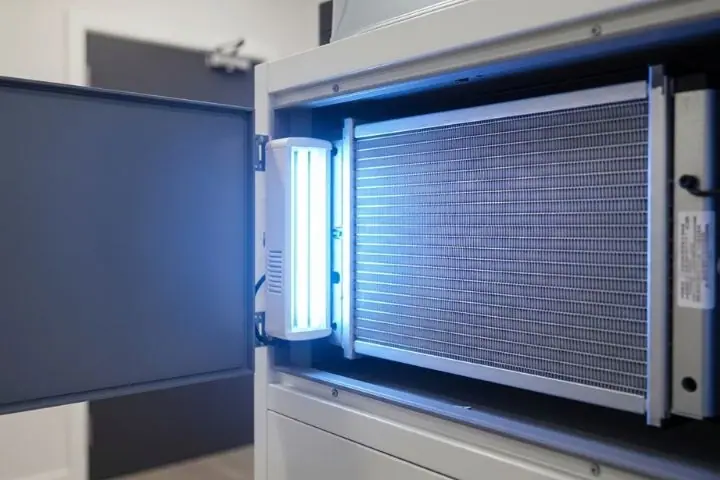
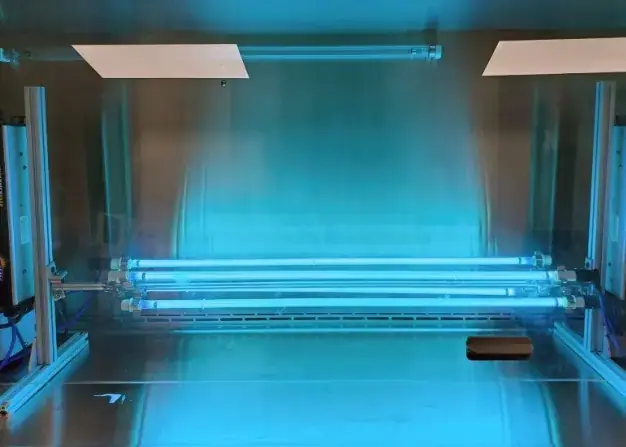
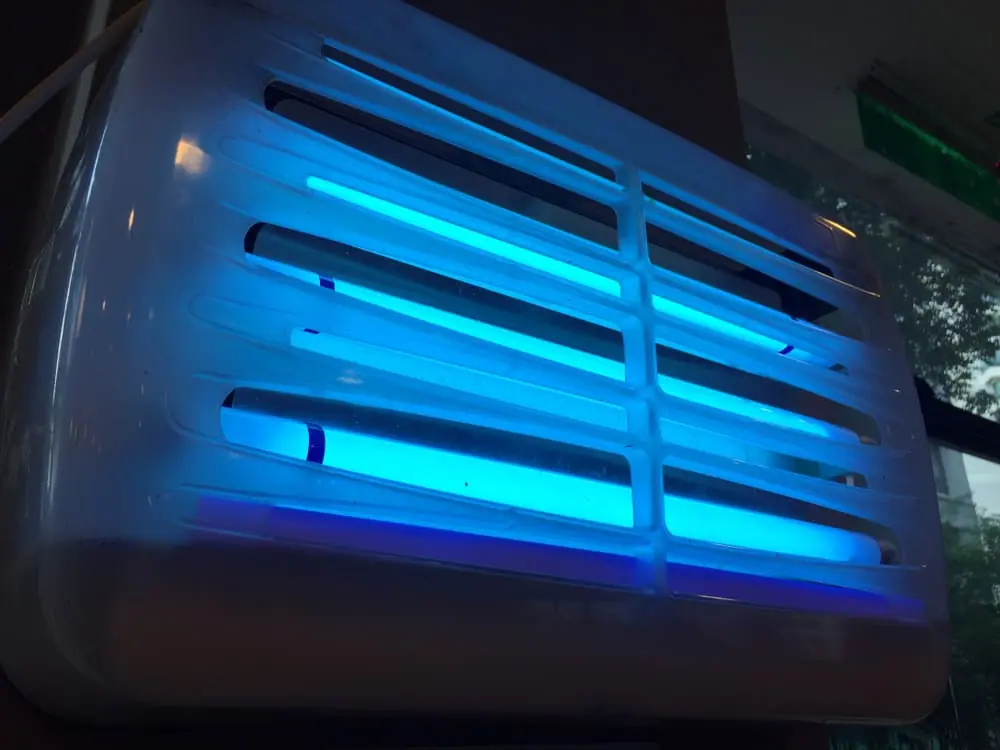
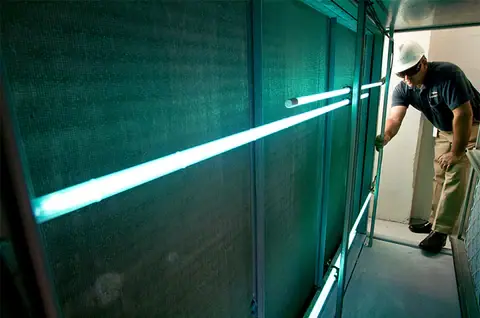
Advanced technologies like ultraviolet (UV) light systems are gaining popularity for their ability to neutralize mold, bacteria, and viruses in HVAC systems. Installing UV lights in your ductwork can help prevent microbial growth and keep your air cleaner over time. For more details on how these systems work, see mold in air ducts and uv light solutions.

UV lights are especially effective in humid climates or homes with a history of mold problems. They work by disrupting the DNA of microorganisms, rendering them harmless. According to this guide on using UV lights for indoor air quality, these systems can significantly reduce the risk of airborne pathogens circulating through your HVAC system.
Routine Maintenance: Filters, Ducts, and More
Regular maintenance is essential for keeping your air clean. Here’s what you should focus on:
- Change HVAC filters every 1–3 months, or as recommended by the manufacturer.
- Schedule professional duct cleaning if you notice visible dust, mold, or debris in your vents.
- Clean exhaust fans and range hoods to ensure they’re working efficiently.
- Inspect and maintain dehumidifiers and air purifiers for optimal performance.
Staying on top of these tasks helps prevent the buildup of contaminants and ensures your air cleaning systems are working as intended.
Managing Humidity for Better Air Quality
Excess moisture in the air can encourage mold growth and dust mites, both of which are common indoor allergens. Maintaining indoor humidity between 30% and 50% is ideal. Use dehumidifiers in damp areas like basements, and fix any leaks promptly to prevent water accumulation. In dry climates, a humidifier can help keep your air comfortable without encouraging mold.
Reducing Chemical Pollutants and VOCs
Many household products release VOCs, which can contribute to poor indoor air. To minimize exposure:
- Choose low-VOC or VOC-free paints, cleaners, and furnishings.
- Store chemicals and solvents in tightly sealed containers, away from living spaces.
- Avoid smoking indoors, as tobacco smoke is a major indoor pollutant.
Simple changes in your product choices and habits can have a big impact on the air you breathe every day.
Houseplants: Natural Air Purifiers?
While some studies suggest that houseplants can absorb certain toxins, their effect on overall air quality in a typical home is limited. However, they do add visual appeal and can help maintain humidity levels. If you enjoy plants, choose varieties like spider plants, peace lilies, or snake plants, which are known for their air-purifying qualities.
Allergy Management and Pet Care
For households with pets, regular grooming and cleaning are key to reducing dander and hair. Use a vacuum cleaner with a HEPA filter, and wash bedding and soft furnishings frequently. If allergies are a concern, consider limiting pets’ access to bedrooms and using air purifiers in areas where they spend the most time.
Smart Home Solutions for Air Monitoring
Modern air quality monitors can track levels of particulate matter, VOCs, humidity, and even carbon dioxide. These devices provide real-time feedback, allowing you to take action when pollutant levels rise. Integrating smart sensors with your HVAC system can automate ventilation and filtration, ensuring optimal air quality around the clock.
Integrating UV Light and Filtration for Maximum Results
Combining multiple strategies—such as HEPA filtration, UV light, and proper ventilation—offers the most comprehensive protection against indoor pollutants. If you’re considering an upgrade, learning what does uv light do in ductwork can help you understand the benefits and limitations of these systems. For allergy sufferers, see can uv light reduce allergens in air ducts for more information on targeted solutions.
Frequently Asked Questions
How often should I change my HVAC filter for better air quality?
Most experts recommend changing your HVAC filter every 1–3 months. If you have pets, allergies, or live in an area with high dust or pollen, you may need to change it more frequently. Always follow the manufacturer’s guidelines for your specific system.
Are UV lights safe to use in residential HVAC systems?
Yes, UV lights designed for HVAC use are safe when installed and maintained properly. They are enclosed within the ductwork or air handler, so there is no direct exposure to occupants. Professional installation is recommended to ensure effectiveness and safety.
What are the signs of poor indoor air quality?
Common signs include persistent dust, musty odors, frequent allergy symptoms, headaches, and visible mold growth. If you notice condensation on windows or walls, or experience worsening respiratory issues indoors, it may be time to assess and improve your air quality.