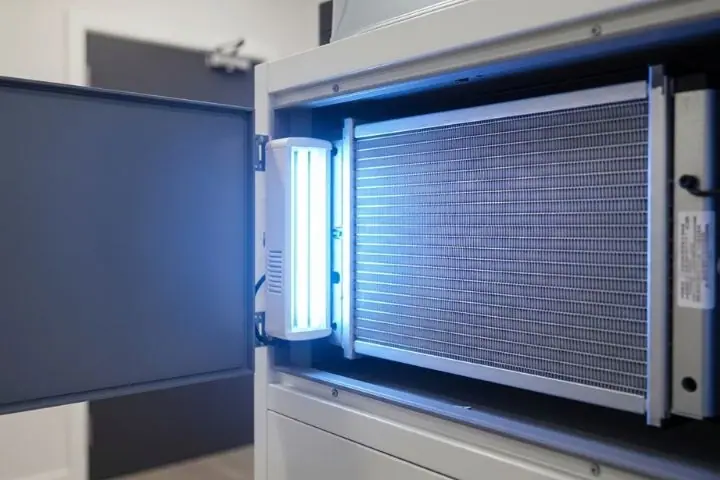

Indoor air quality is a crucial factor in maintaining overall wellness, yet it’s often overlooked in daily routines. Many people spend the majority of their time inside, breathing air that circulates through heating, ventilation, and air conditioning (HVAC) systems. Over time, dust, allergens, mold spores, and other contaminants can accumulate in ductwork, impacting the air you breathe. Understanding why duct cleaning matters for health can help you make informed decisions about your living environment and long-term wellbeing.
While regular cleaning of visible surfaces is common, the hidden pathways of your home’s air system are easy to forget. However, neglecting duct maintenance can lead to a buildup of particles that affect both comfort and respiratory health. For those interested in improving home air quality naturally, addressing the cleanliness of your ducts is a foundational step.
The Link Between Air Ducts and Indoor Air Quality
Your home’s ductwork acts as the main highway for air movement, distributing heated or cooled air throughout every room. When these ducts are clean, they support healthy air circulation and help maintain a comfortable environment. However, when dust, pet dander, pollen, and even mold settle inside, they can be recirculated every time the HVAC system runs.
This circulation of contaminants can aggravate allergies, trigger asthma attacks, and contribute to respiratory discomfort. For a deeper understanding of how air moves through living spaces, see this resource on understanding home air circulation.
How Dirty Ducts Affect Your Health Over Time
The impact of neglected ductwork is not always immediate, but over months and years, the effects can accumulate. Here’s how unclean ducts can influence your long-term health:
- Allergen Accumulation: Dust mites, pollen, and pet hair can collect in ducts, increasing the allergen load in your home. This can lead to persistent sneezing, itchy eyes, and other allergy symptoms.
- Mold Growth: Moisture in ducts creates an ideal environment for mold. Mold spores released into the air can cause headaches, fatigue, and worsen asthma or other respiratory conditions.
- Respiratory Irritation: Fine particles and volatile organic compounds (VOCs) can irritate the lungs, especially in children, the elderly, or those with pre-existing conditions.
- Increased Asthma Risk: Individuals with asthma are particularly sensitive to airborne triggers. Dirty ducts can harbor substances that provoke attacks or make symptoms harder to control. For more on this, explore how asthma reacts to environmental triggers.
Why Duct Cleaning Matters for Health: Key Benefits
Routine cleaning of your HVAC ducts offers several advantages that go beyond just a dust-free home. Here’s why prioritizing this maintenance task is a smart move for your health:
- Reduces Allergens and Irritants: Removing built-up debris lowers the amount of airborne particles, making it easier to breathe and reducing allergy flare-ups.
- Prevents Mold and Bacteria Growth: Professional cleaning can remove sources of moisture and organic material, minimizing the risk of microbial contamination.
- Supports Efficient Air Filtration: Clean ducts allow filters to work more effectively, trapping pollutants before they reach your living spaces. Learn more about how air filtration works in homes.
- Improves Overall Comfort: With fewer contaminants, the air feels fresher and odors are reduced, creating a more pleasant indoor environment.
Who Should Prioritize Duct Cleaning?
While everyone can benefit from cleaner air, certain groups are especially vulnerable to the effects of dirty ducts:
- People with Allergies or Asthma: Clean ducts can help reduce exposure to triggers.
- Households with Pets: Pet hair and dander can quickly accumulate in ductwork.
- Families with Young Children or Elderly Members: These groups are more sensitive to air quality issues.
- Homes with Recent Renovations: Construction dust and debris often settle in ducts.
If you’re unsure whether your system needs attention, compare the difference between clean and dirty air systems to see what signs to look for.
Signs Your Ducts May Need Cleaning
It’s not always obvious when ductwork needs maintenance. Here are some indicators that it may be time to schedule a cleaning:
- Visible dust or debris blowing from vents
- Unexplained musty or stale odors
- Frequent allergy or asthma symptoms indoors
- Recent water damage or mold issues in the home
- Noticeable buildup of dust on vent covers and registers
How Often Should You Clean Your Ducts?
There’s no universal schedule for duct cleaning, as needs vary based on factors like location, household size, and presence of pets. However, most experts recommend inspecting and cleaning ducts every three to five years, or more frequently if you notice signs of buildup or have specific health concerns.
Regular maintenance, combined with high-quality air filtration, can significantly reduce the presence of airborne contaminants. For those with chronic respiratory conditions or severe allergies, more frequent cleaning may be beneficial.
Additional Steps to Improve Indoor Air Quality
While duct cleaning is a critical part of maintaining a healthy home, it should be combined with other strategies for best results:
- Use high-efficiency HVAC filters and replace them regularly
- Keep humidity levels in check to discourage mold growth
- Vacuum and dust surfaces frequently
- Ventilate your home by opening windows when weather allows
- Consider adding air purifiers in high-traffic or sensitive areas
For more tips on creating a healthier living space, you can read about the relationship between indoor air quality, asthma, and allergies.
Frequently Asked Questions
How do I know if my air ducts are affecting my health?
If you notice increased allergy or asthma symptoms, persistent coughing, or unexplained headaches while indoors, your ductwork could be contributing. Visible dust, unusual odors, or a recent spike in respiratory issues are also signs that your air system may need attention.
Can duct cleaning help with asthma and allergy management?
Yes, removing dust, mold, and other allergens from your ducts can reduce triggers that worsen asthma and allergies. While it’s not a cure, it can make a noticeable difference in symptom frequency and severity, especially when combined with other air quality improvements.
Is professional duct cleaning always necessary?
While some minor maintenance can be done by homeowners, professional cleaning ensures that all parts of the system are thoroughly addressed. Experts have the tools and knowledge to remove stubborn buildup and check for issues like mold or leaks that could impact your health.
Conclusion
Prioritizing the cleanliness of your home’s ductwork is a practical step toward better indoor air and long-term wellbeing. By understanding why duct cleaning matters for health, you can make proactive choices that benefit everyone in your household. Combine regular duct maintenance with other air quality strategies to create a safer, more comfortable living environment for years to come.