Germicidal UV light is a technology that uses a specific wavelength of ultraviolet radiation to neutralize airborne pathogens, bacteria, viruses, and mold spores. This method has become increasingly popular in air purification systems, especially in HVAC units, as people look for effective ways to improve indoor air quality. Understanding how this technology works, its benefits, and its limitations can help homeowners and facility managers make informed decisions about air treatment solutions.
In this guide, we’ll break down the science behind germicidal UV, how it’s applied in modern air systems, and what you should know before considering it for your home or business. If you want to learn more about the relationship between air duct health and UV technology, you’ll find additional insights on our site.
Understanding the Science of Germicidal UV
Ultraviolet (UV) light is a form of electromagnetic radiation that falls between visible light and X-rays on the spectrum. There are three main types of UV radiation: UVA, UVB, and UVC. Germicidal UV refers specifically to UVC light, which has wavelengths between 200 and 280 nanometers. This range is particularly effective at disrupting the DNA and RNA of microorganisms, rendering them inactive and unable to reproduce.
The most common wavelength used for disinfection is around 254 nanometers. At this wavelength, UVC light penetrates the cell walls of bacteria and viruses, causing molecular damage that leads to their destruction. This process is called “germicidal irradiation.”
How UV Disinfection Works in Air Systems
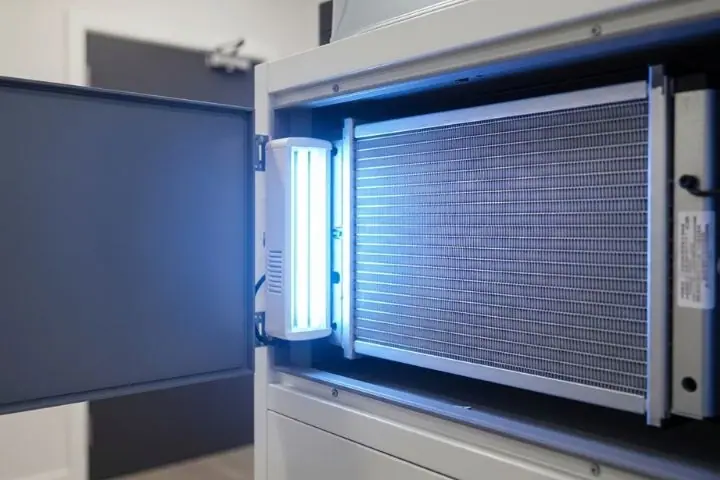
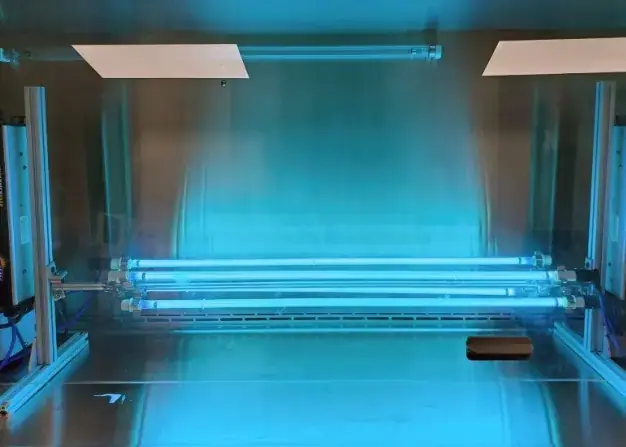
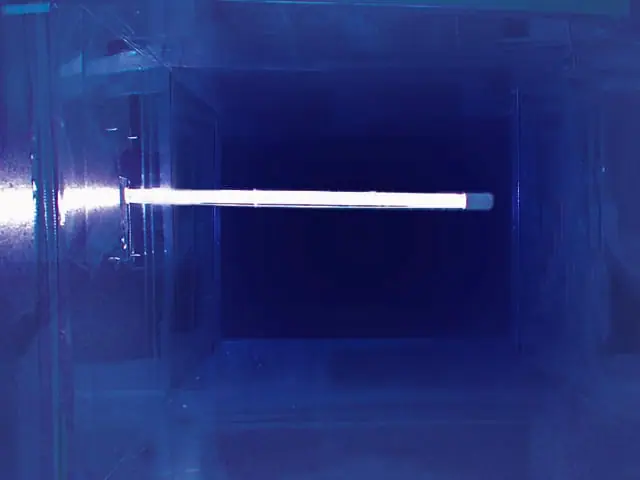
Modern HVAC systems can be equipped with germicidal UV lamps that are strategically placed within the ductwork or near the air handler. As air circulates through the system, it passes by these lamps, exposing airborne pathogens to UVC radiation. This continuous exposure helps reduce the concentration of contaminants in the air, promoting a healthier indoor environment.
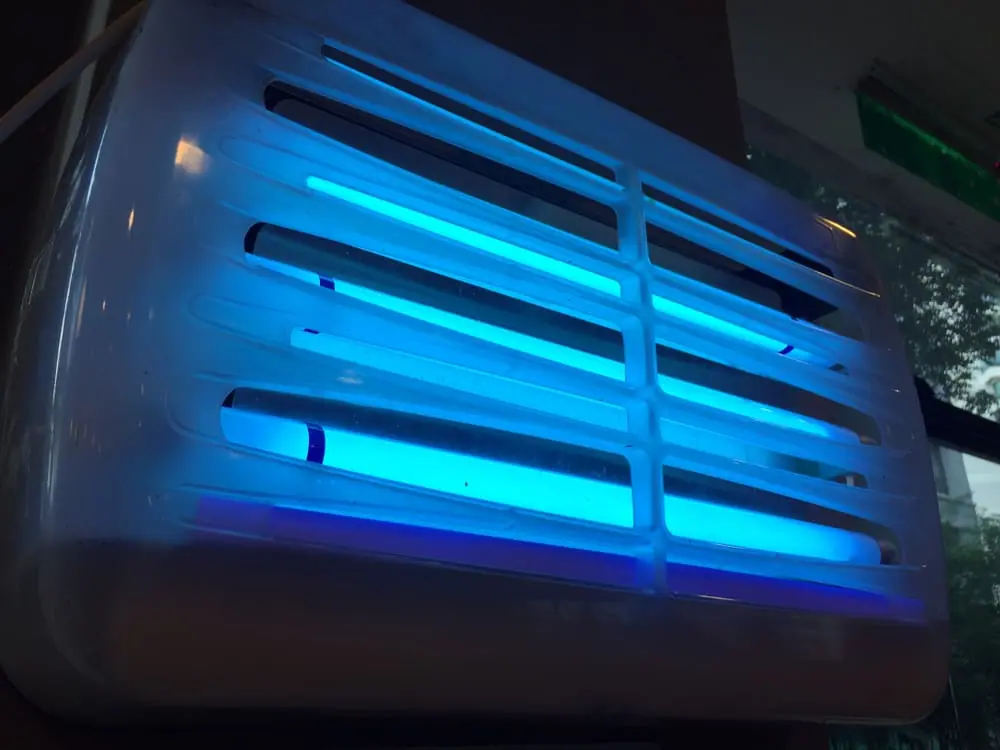
There are two primary installation methods:
- In-duct UV systems: Lamps are installed inside the HVAC ductwork, treating air as it moves through the system.
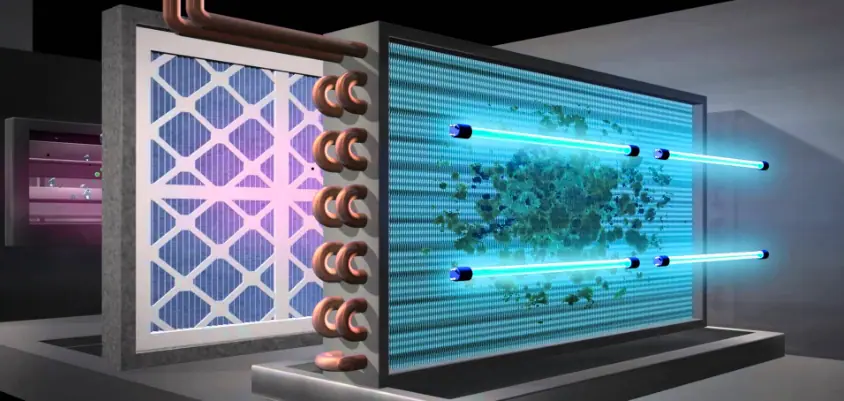
- Coil sterilization: UV lamps are positioned near the evaporator coil to prevent mold and biofilm buildup, which can impact system efficiency and air quality.
Both methods can be effective, but the best choice depends on your specific air quality needs and the design of your HVAC system. For more details on how UV can help with duct moisture control, see our in-depth guide.
Benefits of Germicidal UV for Indoor Air Quality
Integrating UVC technology into air handling systems offers several advantages:
- Reduces airborne pathogens: UVC light neutralizes bacteria, viruses, and mold spores, lowering the risk of respiratory infections and allergies.
- Improves HVAC efficiency: By keeping coils and ducts cleaner, UV lamps help maintain optimal airflow and reduce energy consumption.
- Minimizes odors: UV disinfection can break down organic compounds that cause unpleasant smells.
- Low maintenance: Once installed, UV lamps require minimal upkeep, usually just annual bulb replacement.
For families with children or individuals with respiratory sensitivities, the benefits can be significant. Learn more about UV light and children’s indoor air quality to see how this technology supports healthier living spaces.
Limitations and Considerations
While germicidal UV is a powerful tool for air purification, it’s important to understand its limitations:
- Direct exposure required: Microorganisms must be directly exposed to UVC light for effective inactivation. Shadows or obstructions can reduce efficacy.
- No removal of particulates: UV systems do not filter out dust, pollen, or pet dander. They should be used alongside traditional air filters.
- Proper installation is critical: Incorrect placement or insufficient lamp intensity can limit performance.
- Bulb replacement: UVC lamps lose effectiveness over time and must be replaced according to manufacturer recommendations.
For comprehensive air quality improvement, consider combining UV with other strategies, such as HEPA filtration and humidity control. If you’re concerned about mold, our article on reducing mold risk in ductwork offers practical tips.
Comparing UV Disinfection to Other Air Purification Methods
Germicidal UV is just one of several approaches to air cleaning. Other common technologies include:
- HEPA filters: Capture fine particles, including allergens and some microbes, but do not neutralize them.
- Activated carbon filters: Remove odors and volatile organic compounds (VOCs).
- Ionizers: Charge particles to help them stick to surfaces or filters, but may produce ozone as a byproduct.
Each method has strengths and weaknesses. For a detailed comparison, see this guide to UV lights versus air purifiers for a side-by-side look at how these solutions stack up.
Applications in Residential and Commercial Settings
UVC disinfection is used in a variety of environments:
- Homes: Increasingly common in residential HVAC systems to support healthier indoor air.
- Hospitals and clinics: Used to reduce the spread of infectious diseases in critical care areas.
- Schools and offices: Helps minimize absenteeism by reducing airborne transmission of viruses.
- Industrial facilities: Protects sensitive manufacturing processes from microbial contamination.
For those interested in maximizing the cleanliness of their HVAC systems, our article on improving HVAC cleanliness with UV light provides actionable advice.
Safety and Maintenance Tips
UVC light is safe when used properly, but direct exposure to skin or eyes can be harmful. Most HVAC UV systems are enclosed, preventing accidental contact. To maintain effectiveness:
- Replace bulbs annually or as recommended by the manufacturer.
- Keep lamps and surrounding areas clean to avoid dust buildup.
- Have a professional inspect and service the system regularly.
Proper care ensures that your UV system continues to deliver reliable air purification year after year.
Frequently Asked Questions
How does germicidal UV differ from regular UV light?
Germicidal UV specifically refers to UVC wavelengths, which are shorter and more energetic than UVA or UVB. Only UVC has the power to disrupt the DNA and RNA of microorganisms, making it suitable for disinfection purposes.
Can UV air purifiers remove dust and allergens?
No, UVC systems do not physically filter out particles like dust or pollen. They are designed to neutralize living pathogens. For best results, use UV in combination with HEPA or other mechanical filters.
Is it safe to install UV lamps in my home HVAC system?
When installed and maintained correctly, UVC lamps are safe and effective. The lamps are placed inside the HVAC system, away from direct human exposure. Always follow manufacturer guidelines and schedule regular maintenance.