Understanding what are normal indoor air quality levels is crucial for maintaining a healthy living and working environment. As we spend a significant portion of our time indoors, whether at home or in the office, ensuring the air we breathe is clean and safe is vital. Poor indoor air quality can lead to various health issues, including allergies, headaches, and respiratory problems. This article will explore the factors affecting indoor air quality, the standards to aim for, and practical steps to improve it.

Importance of Indoor Air Quality
The quality of indoor air significantly impacts our health and well-being. Poor air quality can exacerbate allergies, trigger asthma attacks, and cause other respiratory issues. For homeowners and businesses, maintaining good air quality is essential for ensuring the comfort and health of family members, employees, and customers. According to the National Institute of Environmental Health Sciences, indoor air pollutants can be more concentrated than outdoor air, making it imperative to pay attention to indoor air quality levels.
Factors Affecting Indoor Air Quality
Sources of Indoor Air Pollution
Indoor air pollution can stem from various sources, including cleaning products, tobacco smoke, and building materials. For more information on these sources, visit CDC’s website. Awareness of these sources can help in managing and reducing indoor pollutants.
Ventilation and Airflow
Proper ventilation is crucial for maintaining good indoor air quality. It helps in diluting pollutants and bringing in fresh air from outside. Inadequate ventilation can lead to a buildup of indoor pollutants, making the environment unhealthy.
Humidity Levels
Maintaining optimal humidity levels is essential for preventing mold growth and reducing dust mites. Both mold and dust mites can significantly impact indoor air quality and trigger allergic reactions.
Standards for Indoor Air Quality Levels
Understanding Air Quality Index (AQI)
The Air Quality Index (AQI) is a tool used to communicate how polluted the air currently is or how polluted it is forecast to become. While primarily used for outdoor air, understanding AQI can help in assessing indoor air quality as well.
Recommended Levels for Common Pollutants
Various organizations provide guidelines for acceptable levels of common indoor air pollutants such as carbon dioxide, carbon monoxide, and volatile organic compounds (VOCs). It is important to adhere to these guidelines to ensure a safe indoor environment.
Improving Indoor Air Quality
Regular Maintenance of HVAC Systems
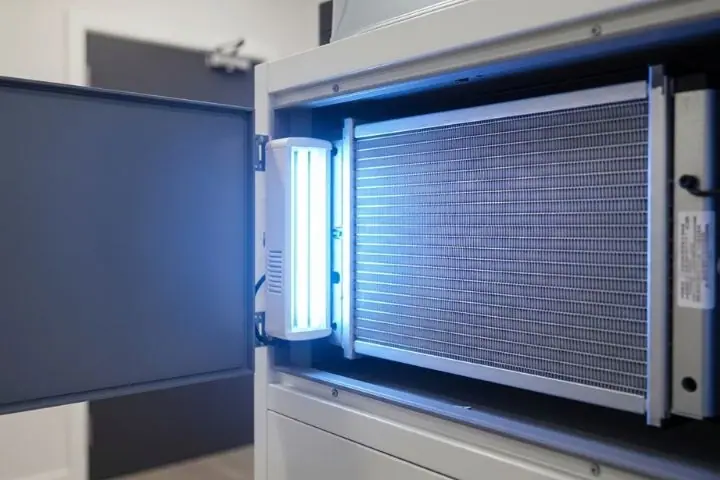
Regular maintenance of HVAC systems is vital for ensuring they function correctly and efficiently. A well-maintained system can significantly improve indoor air quality by filtering pollutants and ensuring proper ventilation. For more information, you can visit HVAC service tips.
Use of Air Purifiers
Air purifiers can be an effective way to reduce indoor pollutants. They work by trapping particles and pollutants, improving the overall quality of indoor air.
Regular Cleaning and Dusting
Regular cleaning and dusting help in reducing allergens and pollutants indoors. Using non-toxic cleaning products can further improve air quality. Learn more about this at cleaning tips.
Monitoring Indoor Air Quality
Using Air Quality Monitors
Air quality monitors are essential tools for keeping track of indoor air quality levels. They help in identifying pollution sources and ensuring that the air quality remains within safe levels.
Professional Air Quality Testing
For accurate assessment, professional air quality testing can provide detailed information about indoor pollutants and guide necessary improvements. Consider visiting air quality testing for more insights.
Health Implications of Poor Indoor Air Quality
Respiratory Issues and Allergies
Poor indoor air quality can lead to respiratory issues and exacerbate allergies. It is important to understand these risks and take steps to mitigate them. For more on how indoor pollution can cause allergies, check out allergy insights.
Headaches and Fatigue
Exposure to certain indoor pollutants can lead to headaches and fatigue, impacting productivity and overall well-being. For more on this, visit pollution effects.
Conclusion
Maintaining good indoor air quality is essential for the health and comfort of homeowners and businesses. By understanding what are normal indoor air quality levels and taking proactive steps to monitor and improve air quality, you can ensure a safe and healthy indoor environment.

FAQs
1. What are the common indoor air pollutants?
Common indoor air pollutants include dust, mold, tobacco smoke, and volatile organic compounds (VOCs) from cleaning products and building materials.
2. How can I improve my indoor air quality?
Improving indoor air quality can be achieved through regular cleaning, using air purifiers, maintaining HVAC systems, and ensuring proper ventilation.
3. Why is indoor air quality important?
Indoor air quality is important because it affects health, comfort, and productivity. Poor air quality can lead to health issues such as allergies, respiratory problems, and fatigue.
This article contains affiliate links. We may earn a commission at no extra cost to you.