High humidity can turn homes and businesses into breeding grounds for mold, mildew, and bacteria. For those living in damp regions, keeping indoor air clean and healthy is a constant challenge. One of the most effective solutions is installing a UV light for humid climates in your HVAC system. This technology targets airborne contaminants, helping to prevent mold growth and improve overall air quality.
In this guide, we’ll explore how ultraviolet (UV) lights work, why they’re especially valuable in humid environments, and what to consider when choosing the right system for your needs. We’ll also share expert tips, answer common questions, and provide resources for further learning.
For a deeper dive into how UV technology can benefit your ductwork, see our article on air duct health and uv technology.
Why Humid Environments Need UV Light Solutions
Humidity creates the perfect conditions for mold spores and bacteria to thrive. When moisture builds up inside HVAC systems, it can quickly lead to unpleasant odors, reduced air quality, and even health issues for building occupants. Traditional cleaning methods often fall short, as mold can grow in hard-to-reach areas like air ducts and evaporator coils.
Installing a UV light for humid climates directly inside your HVAC system offers a proactive approach. The ultraviolet rays disrupt the DNA of microorganisms, rendering them unable to reproduce or cause harm. This continuous disinfection process is especially important in regions where high humidity is a year-round concern.
How UV Lights Work in HVAC Systems
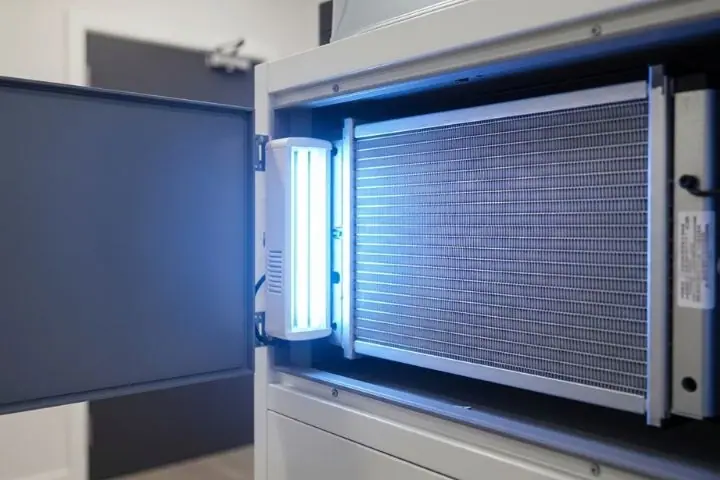
Ultraviolet lights have been used for decades in hospitals and laboratories to sterilize air and surfaces. When integrated into an HVAC system, UV lamps are typically installed near the evaporator coil or inside the ductwork. As air passes over the light, harmful microbes are exposed to UV-C rays, which neutralize their ability to multiply.
There are two main types of UV lights used in HVAC applications:
- Coil sterilization: A UV lamp is placed near the evaporator coil to prevent mold and biofilm buildup on surfaces that are constantly damp.
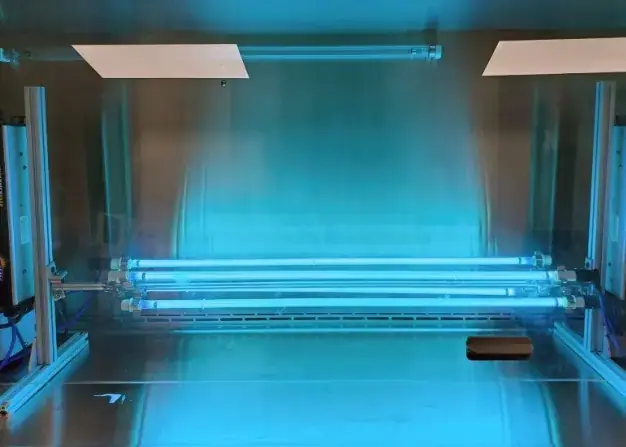
- Air sterilization: UV lights are installed in the return air duct to disinfect moving air as it circulates through the system.
Both methods can be highly effective, but the best choice depends on your climate, system design, and specific air quality goals.
Key Benefits of UV Light for Humid Climates
Choosing the right UV light for humid climates can deliver a range of benefits:
- Prevents Mold Growth: UV-C rays stop mold spores from multiplying on coils, drain pans, and duct surfaces.
- Improves Indoor Air Quality: By neutralizing bacteria, viruses, and allergens, UV lights help create a healthier environment for occupants.
- Reduces Odors: Mold and mildew often cause musty smells; UV treatment helps eliminate these at the source.
- Enhances HVAC Efficiency: Clean coils and ducts allow your system to run more efficiently, potentially lowering energy costs.
- Minimizes Maintenance: With fewer biological contaminants, your HVAC system may require less frequent cleaning and repairs.
For more strategies on keeping your ductwork safe in damp conditions, check out our guide on reducing mold risk in ductwork.
Choosing the Right UV System for Your Needs
When selecting a UV light system for a humid environment, consider the following factors:
- System Compatibility: Make sure the UV lamp is designed for your specific HVAC unit size and configuration.
- Wattage and Coverage: Higher wattage lamps provide broader coverage, which is important for larger systems or severe humidity issues.
- Installation Location: Decide whether coil or air sterilization is best for your situation. Some homes may benefit from both.
- Maintenance Requirements: UV bulbs typically need replacement every 12–24 months. Choose a system with easy access for servicing.
- Safety Features: Look for models with safety switches or shields to prevent accidental UV exposure during maintenance.
Consulting with an HVAC professional can help you determine the most effective solution for your property and climate.
Installation and Maintenance Tips
Proper installation is crucial for maximizing the effectiveness of your UV system. Here are some best practices:
- Hire a qualified HVAC technician to ensure safe and correct placement of the UV lamp.
- Follow manufacturer guidelines for bulb replacement and cleaning schedules.
- Regularly inspect the lamp for dust buildup, which can reduce UV output.
- Keep the surrounding area dry to avoid electrical hazards.
Routine maintenance not only extends the life of your UV system but also ensures consistent protection against mold and bacteria.
For more information on keeping your HVAC system clean, see our article on improving hvac cleanliness with uv light.
Additional Advantages for Families and Sensitive Groups
Homes with children, elderly residents, or individuals with allergies can benefit greatly from UV technology. By reducing airborne pathogens and allergens, these systems help create a safer indoor environment. To learn more about the specific benefits for young children, visit our resource on uv light and children’s indoor air quality.
Expert Insights and Further Reading
Many HVAC experts recommend UV lights as a supplemental defense against mold, especially in regions where humidity is a persistent problem. For a professional perspective, see this overview of UV light benefits in HVAC systems.
If you’re interested in advanced moisture control strategies, our UV light and duct moisture control guide offers more detailed advice.
Frequently Asked Questions
How effective are UV lights at stopping mold in humid climates?
UV lights are highly effective at disrupting the growth of mold, mildew, and bacteria in HVAC systems. By targeting microorganisms at the DNA level, UV-C rays prevent them from reproducing, which is especially important in humid environments where mold can quickly take hold.
Are UV lights safe for use in homes with pets or children?
When installed correctly inside HVAC systems, UV lights are safe and do not emit rays into living spaces. However, direct exposure to UV-C light can be harmful, so it’s important to follow all safety guidelines and use systems with protective features.
How often should UV bulbs be replaced?
Most UV bulbs need to be replaced every 12 to 24 months, depending on the manufacturer’s recommendations and usage patterns. Regular maintenance ensures optimal performance and continued protection against mold and bacteria.
Can UV lights help with allergies?
Yes, by neutralizing allergens such as mold spores and bacteria, UV lights can help reduce allergy symptoms for sensitive individuals. They are particularly useful in humid regions where allergens are more prevalent.
Conclusion
For those living in damp or tropical regions, investing in a UV light for humid climates is a smart way to protect your home, health, and HVAC system. By choosing the right system and following best practices for installation and maintenance, you can enjoy cleaner air and peace of mind year-round.