Maintaining a healthy and efficient home environment is a top priority for many homeowners. One technology that has gained significant attention is the UV light for heat pumps. These systems are designed to improve indoor air quality, reduce microbial growth, and enhance the performance of your HVAC equipment. If you’re considering adding ultraviolet technology to your heat pump, this guide will help you understand its benefits, how it works, and what to look for when choosing the right solution for your home.
Ultraviolet lights have been used for decades in hospitals and laboratories to disinfect air and surfaces. When installed in residential HVAC systems, they target bacteria, mold, and viruses that can thrive in moist, dark environments—like the coils and ductwork of your heat pump. By neutralizing these contaminants, UV lights help keep your system cleaner and your air fresher.
For those interested in a deeper dive into how UV technology impacts air duct systems, you may find air duct health and uv technology to be a valuable resource.
How UV Lights Work in Heat Pump Systems
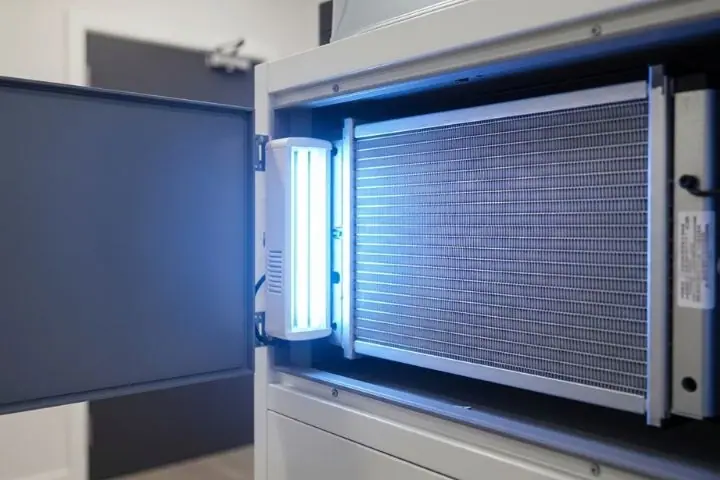
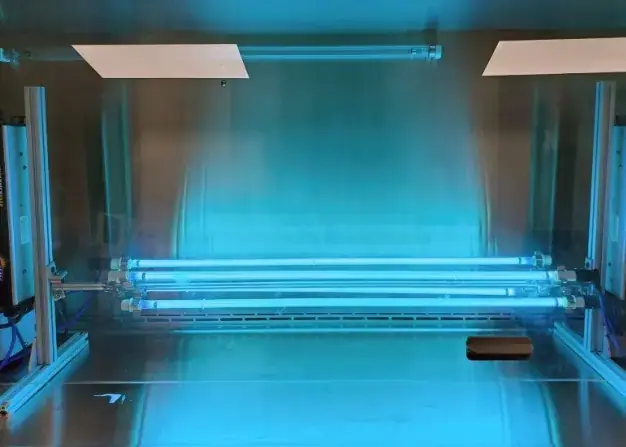
Ultraviolet lamps are typically installed inside the air handler or near the evaporator coil of your heat pump. These locations are prone to moisture buildup, which creates an ideal environment for mold and bacteria. The UV-C wavelength emitted by these lamps disrupts the DNA of microorganisms, rendering them inactive and unable to reproduce.
By targeting the coil and surrounding air, UV lights help prevent biofilm buildup, which can otherwise reduce system efficiency and airflow. This not only improves air quality but also helps your heat pump operate more effectively, potentially lowering energy costs and extending the life of your equipment.
Key Benefits of UV Light Integration
- Improved Indoor Air Quality: UV lamps neutralize airborne pathogens, allergens, and odors, resulting in cleaner air throughout your home.
- Reduced Mold and Bacteria Growth: By keeping coils and ductwork cleaner, UV lights help prevent the spread of mold spores and bacteria.
- Enhanced HVAC Efficiency: Clean coils transfer heat more effectively, which can lead to better system performance and lower utility bills.
- Lower Maintenance Needs: With less microbial buildup, your heat pump may require fewer cleanings and less frequent filter changes.
For more on the relationship between ultraviolet solutions and moisture management, see this guide on uv light and duct moisture control.
Choosing the Right UV Light for Your Heat Pump
Not all ultraviolet systems are created equal. When selecting a solution for your heat pump, consider the following factors:
- Compatibility: Ensure the UV lamp is designed for your specific HVAC model and installation space.
- Wattage and Coverage: Higher wattage bulbs may offer greater coverage but must be matched to your system size to avoid overexposure or inefficiency.
- Bulb Lifespan: Most UV-C lamps require replacement every 12–24 months. Check manufacturer recommendations for maintenance intervals.
- Ease of Installation: Some units are designed for DIY installation, while others may require professional setup.
- Safety Features: Look for systems with safety interlocks or shields to prevent accidental exposure to UV-C light.
Consulting with an HVAC professional can help you determine the best fit for your home’s needs and ensure proper installation.
Installation and Maintenance Tips
Proper installation is crucial for maximizing the benefits of UV technology. Here are some best practices:
- Position the lamp so that it shines directly on the coil or in the air stream for maximum effectiveness.
- Follow all manufacturer instructions and safety guidelines.
- Replace bulbs as recommended, even if they still appear to be working—UV output diminishes over time.
- Clean the lamp and surrounding area regularly to remove dust and debris.
- Consider scheduling annual inspections with a qualified technician.
For additional strategies on keeping your ductwork free from mold, see reducing mold risk in ductwork.
Health and Safety Considerations
While ultraviolet lamps are highly effective at neutralizing microorganisms, safety must be a priority. Direct exposure to UV-C light can be harmful to skin and eyes. Always turn off the system and allow the lamp to cool before performing any maintenance. Many modern systems include safety switches or shields to prevent accidental exposure.
For families with children or individuals with allergies, adding UV technology can offer peace of mind. To learn more about the benefits for sensitive groups, visit uv light and children’s indoor air quality.
Scientific Evidence and Industry Standards
Numerous studies have demonstrated the effectiveness of UV-C lamps in reducing microbial contamination in HVAC systems. According to research on ultraviolet germicidal irradiation in air conditioning, these systems can significantly decrease the presence of airborne bacteria and mold, contributing to healthier indoor environments.
Industry standards recommend using UV-C lamps as part of a comprehensive indoor air quality strategy, which may also include filtration, humidity control, and regular maintenance.
Integrating UV Technology with Other HVAC Upgrades
Ultraviolet solutions work best when combined with other air quality improvements. Consider upgrading your filters, sealing duct leaks, and maintaining proper humidity levels for optimal results. For more on keeping your HVAC system clean, see improving hvac cleanliness with uv light.
Frequently Asked Questions
How long does a UV lamp last in a heat pump system?
Most UV-C bulbs are effective for 12 to 24 months. Even if the bulb still emits visible light, its germicidal effectiveness will decrease over time. Regular replacement ensures optimal performance.
Are UV lights safe to use in homes with pets and children?
When properly installed and shielded, UV lamps are safe for residential use. Direct exposure should always be avoided. Many systems include safety features to prevent accidental contact.
Will adding a UV lamp reduce my energy bills?
By keeping coils and ductwork cleaner, UV technology can help your heat pump run more efficiently, which may lead to lower energy consumption and reduced utility costs over time.
Can I install a UV lamp myself, or do I need a professional?
Some UV systems are designed for DIY installation, but professional setup is recommended to ensure safety and effectiveness, especially if you are unfamiliar with HVAC systems.
Conclusion
Integrating a UV light for heat pumps is a proactive step toward a cleaner, healthier, and more efficient home. By understanding how these systems work and what to consider when choosing one, you can make an informed decision that benefits your family and your HVAC equipment for years to come. For personalized advice or to request an installation quote, don’t hesitate to reach out to a trusted HVAC specialist.