As indoor air quality becomes a growing concern for homeowners and businesses, many are turning to ultraviolet (UV) light systems in their HVAC ductwork. These devices promise to reduce airborne contaminants, improve system efficiency, and create a healthier living environment. But before investing, it’s important to understand the uv light for air ducts pros and cons in detail. This guide offers a balanced look at the advantages and disadvantages, helping you make an informed decision about whether UV technology is right for your air ducts.
UV lights have been used for decades in hospitals and laboratories to sterilize air and surfaces. Recently, they’ve become more accessible for residential and commercial HVAC systems. While the technology is proven to kill or deactivate many types of bacteria, viruses, and mold spores, there are also limitations and maintenance factors to consider. We’ll explore the science, practical benefits, and potential drawbacks, so you can weigh your options confidently.
For a deeper dive into the science and practical applications, you might also want to read about air duct health and uv technology, which covers essential information on how UV solutions impact ductwork and overall system performance.
How UV Light Works in HVAC Ducts
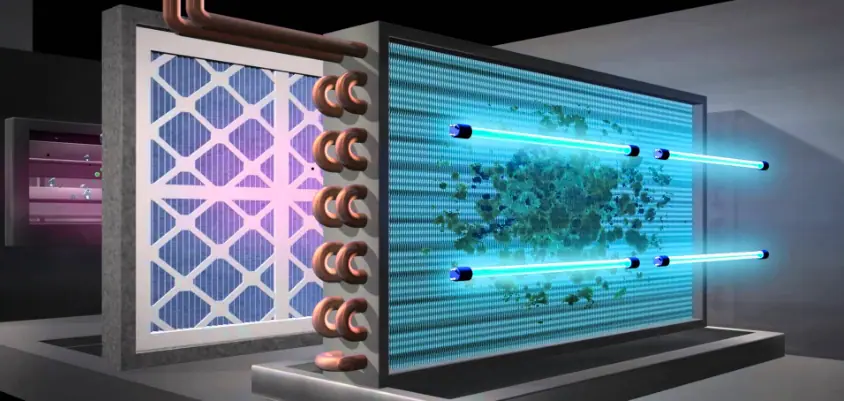
Ultraviolet light, particularly UV-C, is effective at disrupting the DNA or RNA of microorganisms, rendering them inactive or unable to reproduce. When installed inside air ducts, UV lamps target airborne pathogens as air circulates through the HVAC system. There are two main types of UV applications in ductwork:
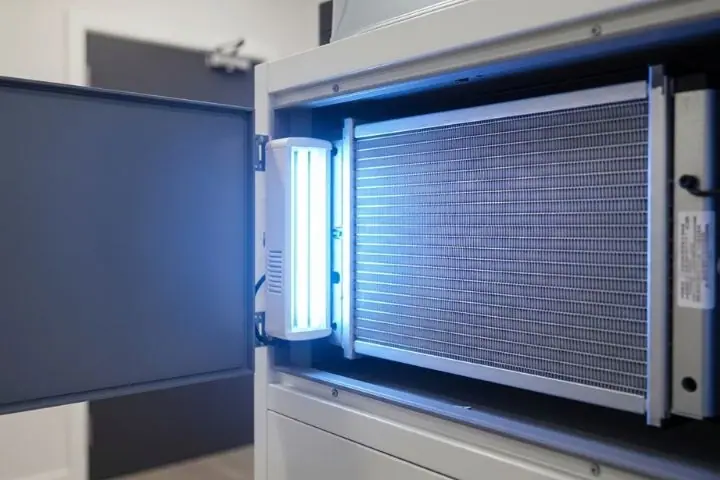
- Coil sterilization: UV lamps are placed near the evaporator coil to prevent mold and biofilm buildup.
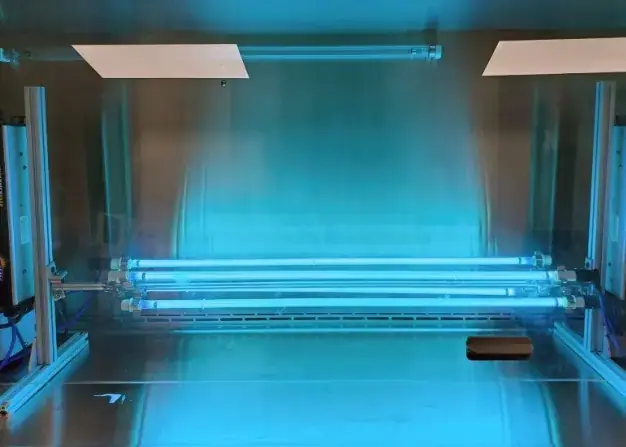
- Air sterilization: UV lights are installed in the return air duct to treat moving air and reduce airborne contaminants.
Both approaches aim to improve indoor air quality and system efficiency, but their effectiveness depends on placement, lamp strength, and maintenance.
Key Benefits of UV Lights in Air Ducts
Let’s break down the main advantages of installing UV technology in your HVAC system:
- Reduces Mold and Bacteria: UV-C light is proven to kill or deactivate mold spores, bacteria, and some viruses, helping to keep ductwork cleaner and reducing the risk of microbial growth.
- Improves Indoor Air Quality: By targeting airborne pathogens, UV lamps can lower the concentration of allergens and irritants, benefiting those with allergies or respiratory issues.
- Enhances HVAC Efficiency: Keeping coils and ducts free from biological buildup allows the system to operate more efficiently, potentially lowering energy costs and extending equipment lifespan.
- Odor Reduction: Eliminating mold and bacteria can help reduce musty or unpleasant odors that sometimes circulate through HVAC systems.
- Continuous Protection: Unlike filters that need frequent replacement, UV lamps provide ongoing disinfection as long as they are functioning and properly maintained.
For more details on the benefits, check out this comprehensive overview of UV light system advantages for air conditioners.
Potential Drawbacks and Limitations
While UV lights offer several advantages, it’s important to consider the possible downsides before installation:
- Limited Effectiveness on Dust and Particulates: UV lamps do not remove dust, pet dander, or other non-living particulates. They work best in combination with high-quality air filters.
- Maintenance Requirements: Bulbs lose effectiveness over time and typically need replacement every 12–24 months. Dirty lamps or improper installation can reduce performance.
- Initial and Ongoing Costs: Installation can be expensive, and replacement bulbs add to long-term costs. Some systems may require professional servicing.
- Potential Material Degradation: Prolonged UV exposure can degrade certain plastics and insulation materials inside the ductwork if not properly shielded.
- Safety Concerns: Direct exposure to UV-C light can be harmful to skin and eyes. Proper installation and safety measures are essential.
Understanding these limitations is crucial for setting realistic expectations and ensuring safe, effective operation.
Comparing UV Light to Other Air Quality Solutions
UV technology is just one tool in the broader effort to improve indoor air quality. Here’s how it stacks up against other common solutions:
| Solution | Strengths | Limitations |
|---|---|---|
| UV Light | Kills microbes, reduces mold, continuous action | Does not remove dust, requires maintenance |
| HEPA Filters | Traps particulates, allergens, and some microbes | Needs regular replacement, does not kill microbes |
| Electrostatic Filters | Captures small particles, reusable | Less effective on microbes, needs cleaning |
| Dehumidifiers | Reduces moisture, limits mold growth | Does not kill microbes, adds to energy use |
For best results, many experts recommend combining UV lamps with high-quality filtration and humidity control. Learn more about uv light and duct moisture control for a comprehensive approach to air quality and mold prevention.
Maintenance and Safety Tips for UV Systems
To maximize the benefits and minimize the risks of UV lights in your HVAC system, follow these practical guidelines:
- Schedule regular inspections and replace bulbs as recommended by the manufacturer (usually every 1–2 years).
- Ensure lamps are installed in locations that maximize exposure to air or coil surfaces but avoid direct line-of-sight to plastic or sensitive materials.
- Turn off power before servicing or inspecting the UV unit to prevent accidental exposure.
- Clean UV lamps periodically to remove dust buildup, which can reduce effectiveness.
- Work with qualified HVAC professionals for installation and maintenance to ensure safety and compliance with local codes.
Proper care not only extends the life of your UV system but also ensures it delivers the intended air quality improvements.
Who Should Consider UV Lights for Ductwork?
UV lamps in air ducts are especially beneficial for:
- Homes or buildings with a history of mold or microbial growth in HVAC systems
- Allergy or asthma sufferers seeking to reduce airborne triggers
- Facilities requiring higher air quality standards, such as medical clinics or childcare centers
- Property owners looking to extend the life and efficiency of their HVAC equipment
However, if your primary concern is dust, pollen, or pet dander, high-efficiency filtration may offer more immediate results. For more on keeping your system clean, see our guide on improving hvac cleanliness with uv light.
Frequently Asked Questions
Do UV lights in air ducts really work?
Yes, UV lamps are effective at killing or deactivating many types of bacteria, mold spores, and some viruses that pass through the treated area. Their effectiveness depends on proper installation, lamp strength, and regular maintenance. They are best used as part of a comprehensive air quality strategy, not as a standalone solution.
Are UV lights safe for my HVAC system and home?
When installed and maintained correctly, UV lamps are safe for use in HVAC systems. However, direct exposure to UV-C light is harmful to humans and animals, so the lamps should be shielded and only handled by professionals. Some materials inside ducts may degrade over time if exposed to UV, so placement and shielding are important.
How often do UV bulbs need to be replaced?
Most UV bulbs lose effectiveness after 12–24 months of continuous use. It’s important to follow the manufacturer’s recommendations for replacement and to have the system inspected regularly to ensure optimal performance.
Conclusion: Is UV Technology Right for Your Air Ducts?
Choosing to install UV lamps in your HVAC system is a decision that should be based on your specific air quality needs, system design, and budget. While the uv light for air ducts pros and cons show clear benefits for reducing microbes and improving system cleanliness, they are not a cure-all. Combining UV with proper filtration and moisture control offers the best results for most homes and businesses. Consulting with a qualified HVAC professional can help you determine the best approach for your situation and ensure safe, effective installation.