Indoor air quality is a growing concern for many homeowners and businesses. With people spending more time indoors, the impact of pollutants such as mold, bacteria, and volatile organic compounds (VOCs) on health and comfort is more apparent than ever. One technology gaining attention for its ability to address these issues is UV light and indoor air pollution control. By understanding how ultraviolet light works within HVAC systems, you can make informed decisions to create a healthier indoor environment for your family or employees.
This guide explores how UV technology helps reduce airborne contaminants, the science behind its effectiveness, and practical considerations for installation and maintenance. For those interested in a deeper dive into related topics, our resource on air duct health and uv technology offers further insights into maintaining optimal air quality throughout your ductwork.
Understanding the Connection Between UV Technology and Air Quality
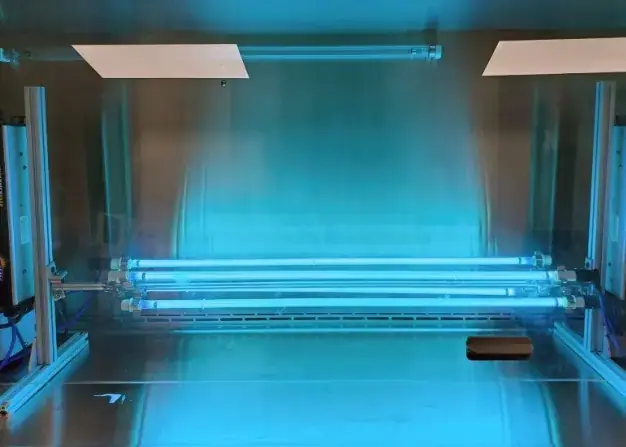
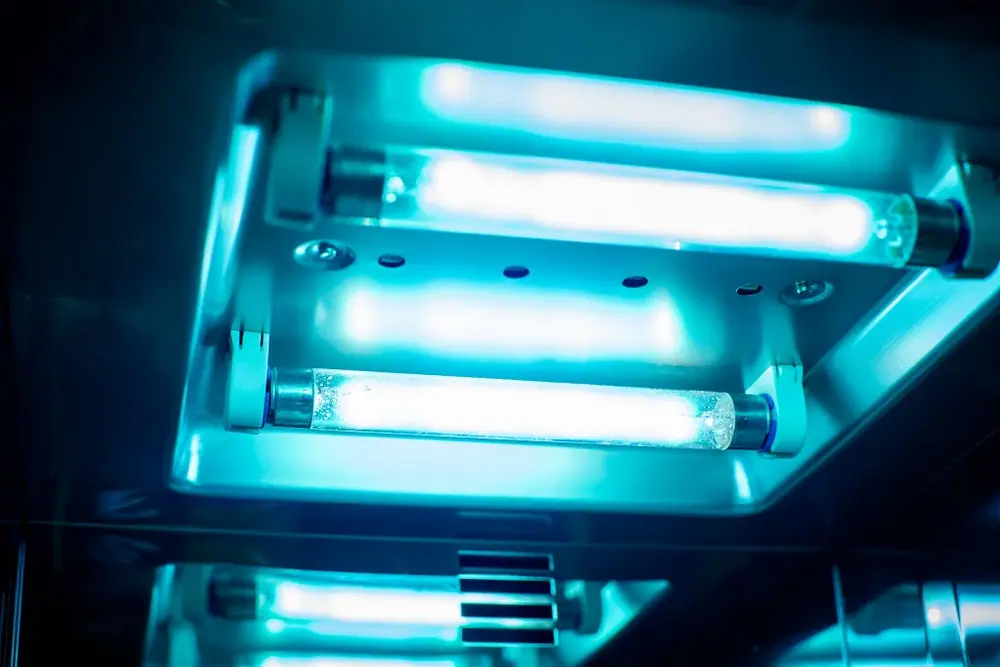
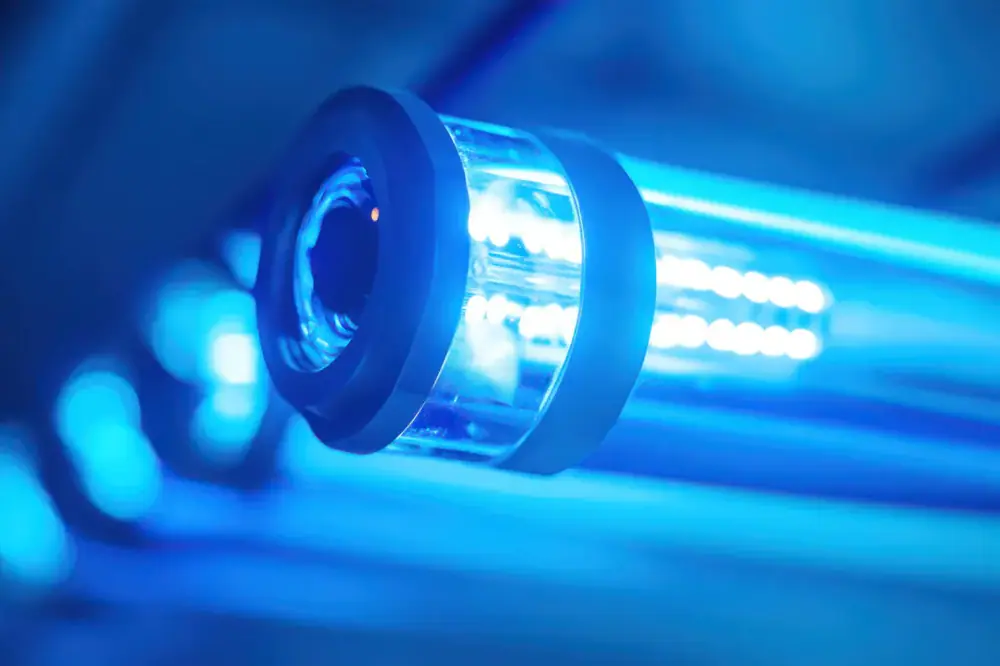
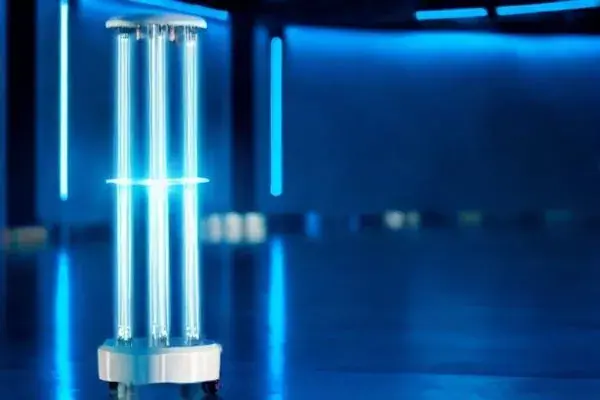
Ultraviolet (UV) light, particularly UV-C, is a form of electromagnetic radiation that has been used for decades in sterilization and disinfection. When integrated into HVAC systems, UV lamps target airborne microorganisms and surface contaminants that circulate through your home or office. The primary goal is to reduce the presence of bacteria, viruses, mold spores, and allergens that contribute to poor indoor air quality.
Unlike traditional air filters that trap particles, UV-C light works by disrupting the DNA or RNA of microorganisms, rendering them inactive and unable to reproduce. This process can significantly decrease the risk of respiratory issues, allergic reactions, and the spread of infectious diseases indoors.
How UV Light Reduces Indoor Air Pollutants
The installation of UV lamps within HVAC systems offers a proactive approach to managing uv light and indoor air pollution concerns. Here’s how the process works:
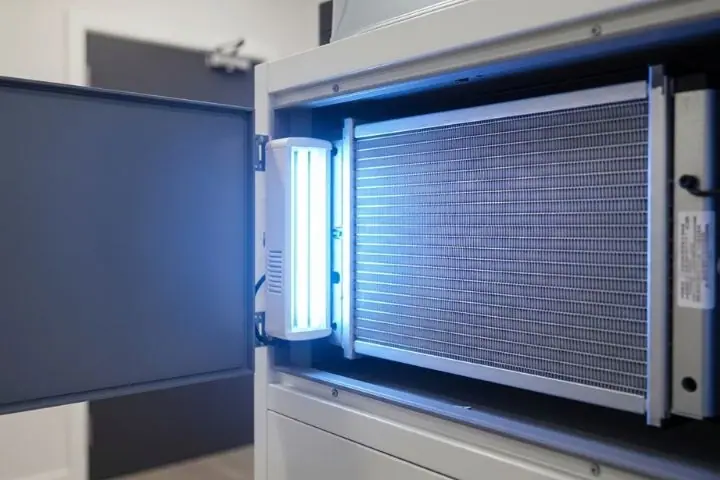
- Surface Sterilization: UV lamps are often placed near the evaporator coils and drain pans, areas prone to moisture and microbial growth. By continuously bathing these surfaces in UV-C light, the buildup of mold and bacteria is minimized.
- Airborne Pathogen Reduction: As air passes through the HVAC system, UV-C exposure neutralizes airborne viruses and bacteria, reducing their concentration before the air is recirculated.
- Odor and VOC Control: Some advanced UV systems can help break down chemical compounds and odors, improving the freshness of indoor air.
For more comprehensive strategies on minimizing mold and moisture in ductwork, see our article on uv light and duct moisture control.
Benefits of Using UV Systems in HVAC Units
Integrating UV technology into your HVAC system brings several advantages for indoor air management:
- Continuous Disinfection: UV lamps operate around the clock, providing ongoing protection against microbial growth and airborne pathogens.
- Reduced Allergens: By neutralizing mold spores and bacteria, UV systems can help alleviate symptoms for allergy and asthma sufferers.
- Improved System Efficiency: Cleaner coils and ductwork mean less buildup, which can enhance airflow and reduce energy consumption.
- Lower Maintenance Needs: With fewer contaminants accumulating on HVAC components, maintenance intervals may be extended, saving time and money.
For families with children or individuals with respiratory sensitivities, UV solutions can be particularly beneficial. Learn more about the uv light and children’s indoor air quality advantages for sensitive populations.
Choosing and Installing UV Solutions for Indoor Environments
When considering UV integration, it’s important to select a system that matches your HVAC unit’s size and your specific air quality needs. Professional installation ensures optimal placement of the lamps and safe operation. Most UV-C devices are installed inside the air handler or ductwork, targeting areas most vulnerable to microbial growth.
Routine maintenance, such as replacing bulbs annually and cleaning lamp surfaces, is essential for sustained performance. A qualified technician can help you determine the right schedule and ensure that the system continues to operate safely and effectively.
For a detailed look at how UV technology can improve cleanliness throughout your HVAC system, see our guide on improving hvac cleanliness with uv light.
Limitations and Considerations of UV Air Purification
While UV lamps are highly effective against many biological contaminants, they are not a cure-all for every indoor air issue. Here are some important points to keep in mind:
- Limited Effect on Dust and Particulates: UV-C does not remove dust, pet dander, or pollen. These particles still require filtration through HEPA or electrostatic filters.
- Proper Sizing and Placement: The effectiveness of UV technology depends on correct installation and adequate exposure time. Undersized or poorly positioned lamps may not deliver desired results.
- Safety Precautions: Direct exposure to UV-C light can be harmful to skin and eyes. All maintenance should be performed with the system powered off and by trained professionals.
- Regular Maintenance: Bulbs lose intensity over time and must be replaced as recommended by the manufacturer.
For a comprehensive approach to air quality, UV systems should be used alongside traditional filtration and moisture control methods. If mold is a concern, our article on reducing mold risk in ductwork provides actionable strategies for prevention and remediation.
Scientific Evidence and Industry Recommendations
Numerous studies support the effectiveness of UV-C technology in reducing airborne pathogens and surface contaminants in HVAC systems. Hospitals, laboratories, and commercial buildings have long relied on UV disinfection to maintain sterile environments. For residential settings, the benefits are increasingly recognized, especially for those with health sensitivities or in regions with high humidity.
Industry experts recommend consulting with HVAC professionals to assess your specific needs and ensure that UV solutions are integrated safely and effectively. For a detailed overview of the advantages, see this comprehensive review of UV lights in home HVAC systems.
Frequently Asked Questions
How does UV light improve indoor air quality?
UV-C lamps installed in HVAC systems disrupt the DNA of microorganisms such as mold, bacteria, and viruses, neutralizing them before they can circulate through your home or office. This process helps reduce the risk of respiratory illnesses and allergic reactions, making indoor air safer to breathe.
Is UV-C technology safe for use in homes?
When installed and maintained properly by professionals, UV-C systems are safe for residential and commercial use. The lamps are contained within the HVAC system, preventing direct exposure. Regular maintenance ensures continued safety and effectiveness.
Do I still need air filters if I have a UV system?
Yes, UV lamps target biological contaminants but do not remove dust, pollen, or other particulates. High-quality air filters should be used in conjunction with UV technology for comprehensive air purification.
How often should UV lamps be replaced?
Most manufacturers recommend replacing UV bulbs every 12 to 18 months, as their effectiveness diminishes over time. Consult your HVAC technician for specific guidance based on your system and usage.
Conclusion
Incorporating uv light and indoor air pollution solutions into your HVAC system is a proactive step toward healthier indoor living. By targeting airborne pathogens and surface contaminants, UV-C technology complements traditional filtration and moisture control, resulting in cleaner, fresher air. With proper installation and maintenance, UV systems offer long-term benefits for homes, offices, and sensitive environments.
Ready to take the next step in improving your indoor air quality? Reach out to a qualified HVAC professional for personalized recommendations and installation options.