As concerns about indoor air quality continue to rise, more homeowners and facility managers are exploring advanced solutions for cleaner, healthier environments. Among the most discussed options are UV light and duct cleaning—two technologies that promise to tackle airborne contaminants and improve HVAC system performance. But how do these methods interact, and can they be combined for even better results? This article explores the science, benefits, and practical considerations of using ultraviolet germicidal irradiation alongside professional ductwork cleaning.
Before diving into the details, it’s worth noting that combining multiple strategies can often yield the best outcomes for air quality. For those interested in a deeper dive into related topics, our guide on improving hvac cleanliness with uv light offers additional insights into how these technologies complement each other.
Understanding UV Light in HVAC Systems
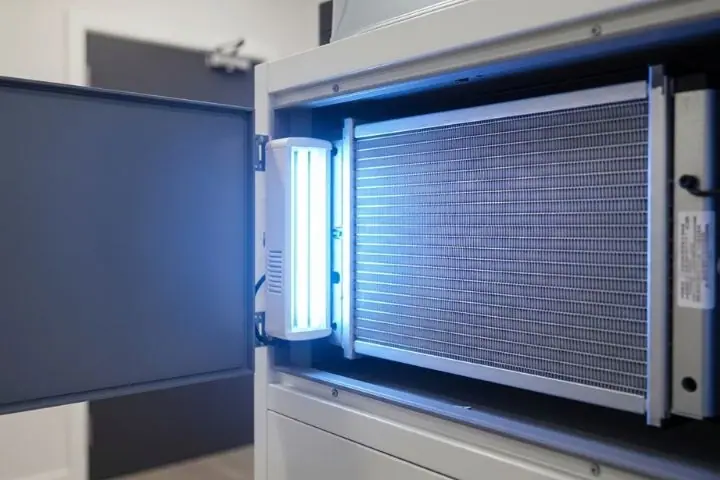
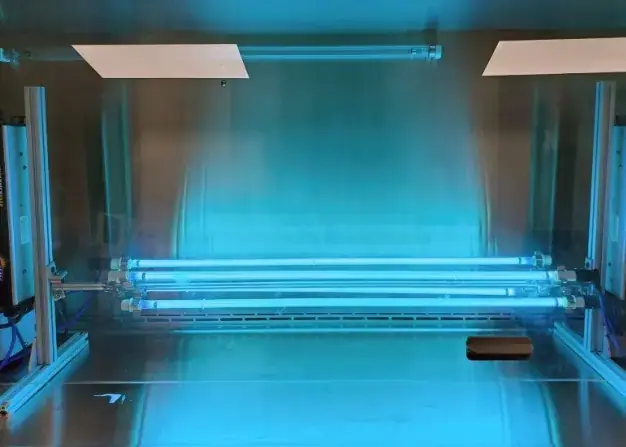
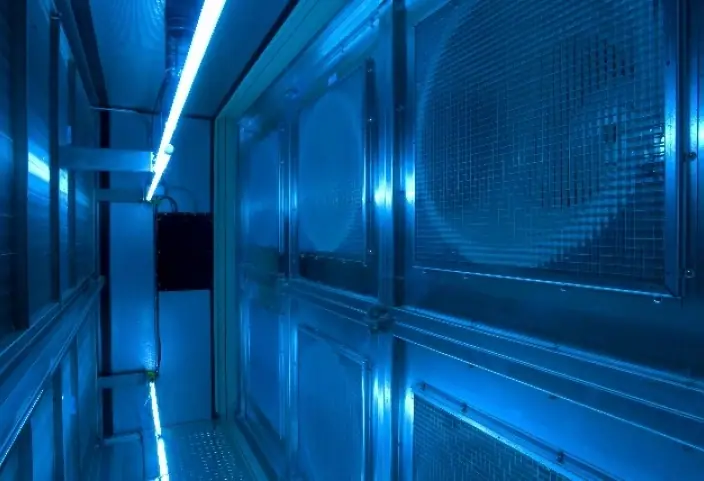
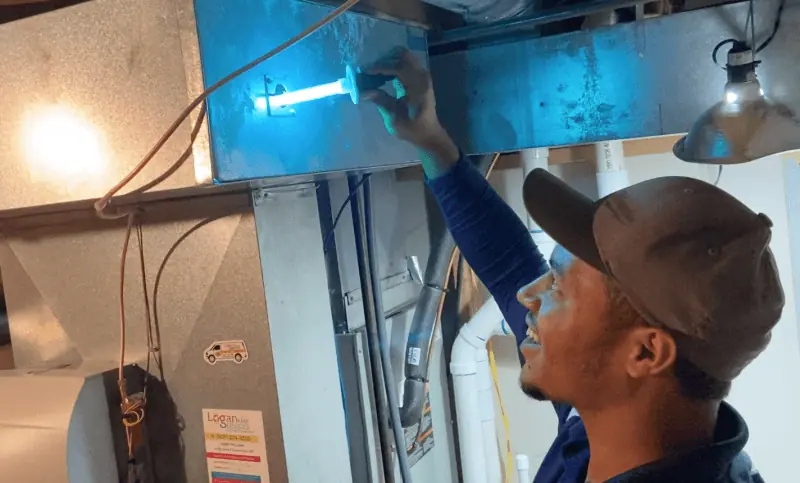
Ultraviolet (UV) light technology has become a popular addition to HVAC systems, especially in settings where air quality is a top priority. These systems use short-wavelength UV-C light, which is effective at disrupting the DNA and RNA of microorganisms such as bacteria, viruses, and mold spores. When installed inside ductwork or near coils, UV lamps can continuously treat the air as it passes through the system.
Key benefits of UV light in HVAC applications include:
- Reducing microbial growth on coils and in ducts
- Improving overall system efficiency by keeping components cleaner
- Lowering the risk of mold and bacteria spreading through the air
For families with children or individuals with respiratory sensitivities, UV technology can offer peace of mind. You can learn more about these advantages in our article on uv light and children’s indoor air quality.
The Role of Duct Cleaning in Air Quality
While UV lamps target biological contaminants, duct cleaning focuses on removing accumulated dust, debris, and other particulates from the interior surfaces of HVAC ductwork. Over time, ducts can collect a significant amount of material, including pet dander, pollen, and even mold if moisture is present.
Professional duct cleaning typically involves specialized vacuums and brushes that dislodge and extract contaminants. The main goals are to:
- Reduce the circulation of dust and allergens
- Improve airflow and system efficiency
- Minimize odors and potential sources of indoor pollution
It’s important to note that while duct cleaning addresses physical buildup, it does not actively kill or neutralize microorganisms. This is where UV technology can provide an additional layer of protection.
Combining UV Light and Duct Cleaning: Synergy or Redundancy?
Many property owners wonder if using both UV light and duct cleaning is necessary, or if one method alone is sufficient. In reality, these two approaches are highly complementary. Duct cleaning removes the physical buildup that can harbor dust mites, pollen, and other debris. UV lamps, meanwhile, provide ongoing disinfection, targeting any microorganisms that may remain or enter the system after cleaning.
Here’s how the two methods work together:
- Initial cleaning removes layers of dust and organic material, exposing surfaces to UV light more effectively.
- UV lamps installed after cleaning help prevent regrowth of mold and bacteria, maintaining cleaner ducts for longer periods.
- Combining both can reduce the frequency of future cleanings and support better air quality year-round.
For those dealing with persistent moisture or mold issues, pairing these methods with moisture control strategies is especially effective. Our resource on uv light and duct moisture control explores this topic in detail.
What Science Says About These Technologies
Numerous studies and industry reports support the effectiveness of both duct cleaning and UV-C systems. While duct cleaning alone can significantly reduce dust and allergen levels, the addition of UV-C lamps has been shown to decrease microbial counts on HVAC surfaces and in circulated air.
According to experts, the best results are achieved when UV lamps are installed after a thorough cleaning. This ensures that the light can reach all surfaces and that organic buildup does not shield microorganisms from exposure. For a deeper look at the benefits of UV air purification, see this comprehensive overview of UV light air purifiers.
When Should You Consider Both Solutions?
Not every home or building will require both UV lamps and duct cleaning, but certain scenarios make the combination especially valuable:
- Properties with a history of mold or moisture problems
- Buildings with occupants who have allergies, asthma, or immune sensitivities
- Facilities where air quality is critical, such as healthcare or childcare settings
- Older HVAC systems with significant dust buildup
Combining these approaches can also help extend the life of your HVAC system by reducing strain and keeping components cleaner. For more on preventing mold, our article on reducing mold risk in ductwork provides practical tips.
Installation and Maintenance Considerations
Integrating UV-C lamps into your HVAC system is a task best left to professionals. Proper placement is crucial for maximum effectiveness, and safety precautions must be followed to avoid direct exposure to UV light. After installation, periodic maintenance—such as bulb replacement and system checks—is necessary to keep the system working optimally.
Similarly, duct cleaning should be performed by certified technicians using industry-approved equipment. The frequency of cleaning depends on several factors, including system usage, presence of pets, and local environmental conditions.
For those who have already installed UV lamps, regular duct cleaning can help maintain the effectiveness of the UV system by preventing dust buildup that could block the light.
Real-World Results and Air Quality Improvements
Many users report noticeable improvements in air freshness, reduced odors, and fewer allergy symptoms after combining these two approaches. While individual results may vary, the synergy between UV light and duct cleaning is supported by both scientific research and practical experience. For a closer look at measurable outcomes, see our post on air quality improvements after uv installation.
Frequently Asked Questions
How often should duct cleaning be performed if UV lamps are installed?
Even with UV lamps in place, it’s recommended to have ducts professionally cleaned every 3–5 years, or more frequently if you notice visible dust, mold, or persistent odors. UV lamps help maintain cleanliness but do not remove physical debris.
Can UV lamps replace duct cleaning entirely?
No, UV lamps are designed to neutralize microorganisms but do not remove dust, dirt, or non-living particulates. Both methods address different aspects of air quality and work best when used together.
Are there any safety concerns with UV-C technology in HVAC systems?
When installed correctly inside ductwork or near coils, UV-C lamps are safe and do not pose a risk to building occupants. However, direct exposure to UV-C light can be harmful, so installation and maintenance should always be handled by trained professionals.
Will combining these methods increase energy efficiency?
Cleaner ducts and HVAC components can improve airflow and reduce system strain, which may lead to better energy efficiency. UV lamps also help keep coils free of microbial buildup, supporting optimal performance.
Is this approach suitable for all types of HVAC systems?
Most central HVAC systems can accommodate both duct cleaning and UV lamp installation. However, it’s important to consult with a qualified technician to determine the best solution for your specific system and needs.