Maintaining a healthy indoor environment is a top priority for homeowners and facility managers alike. One of the most effective ways to achieve this is by focusing on uv light and cooling coil cleanliness within HVAC systems. When cooling coils accumulate dust, moisture, and organic debris, they become a prime breeding ground for mold and bacteria. This not only affects air quality but can also reduce system efficiency and increase maintenance costs.
Ultraviolet (UV) light technology has emerged as a powerful tool in the battle against microbial growth on HVAC components. By targeting the root causes of contamination, UV solutions help keep coils clean, improve energy efficiency, and promote better indoor air quality. In this guide, we’ll explore how UV light works, why coil hygiene matters, and how you can leverage these technologies to keep your system—and your air—mold-free.
For those interested in a broader perspective on HVAC hygiene, improving hvac cleanliness with uv light offers additional insights into the benefits and best practices of UV technology in air systems.
Why Coil Hygiene Matters for Indoor Air Quality
Cooling coils are essential components in air conditioning systems, responsible for removing heat and humidity from indoor air. Over time, these coils can collect dust, pollen, and biological contaminants. When combined with moisture, this environment becomes ideal for mold and bacteria to thrive. As air passes over contaminated coils, spores and microbes can be distributed throughout the building, impacting respiratory health and comfort.
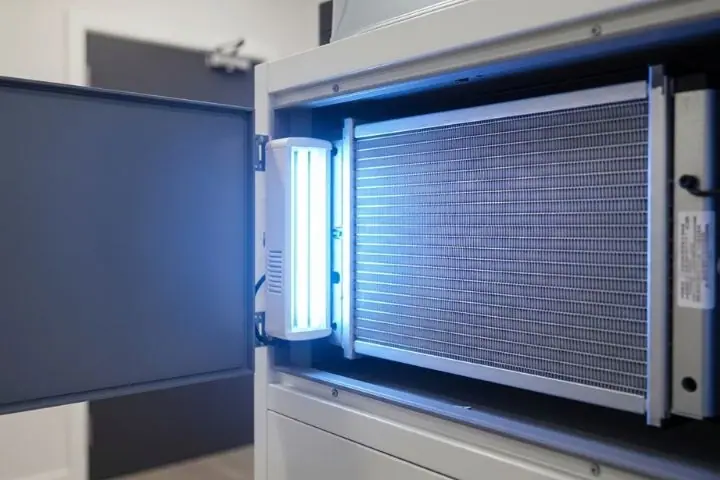
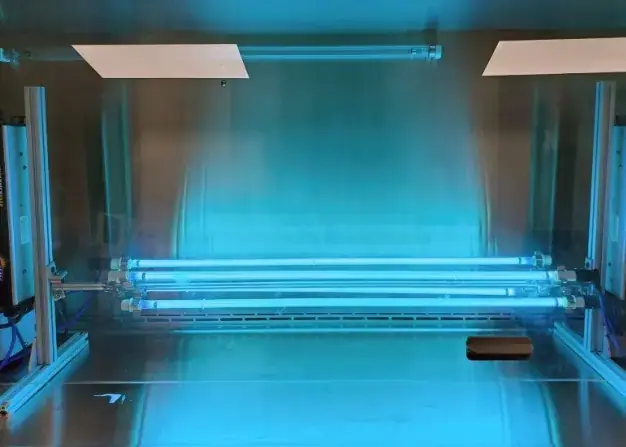
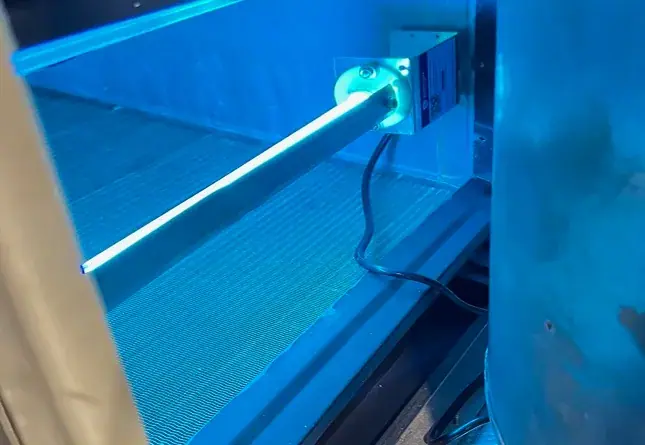
Regular cleaning is important, but manual methods may not reach all surfaces or prevent rapid regrowth. This is where uv light and cooling coil cleanliness strategies make a significant difference. UV-C lamps installed near coils continuously disrupt the DNA of microorganisms, preventing them from multiplying and forming biofilms.
How UV Light Keeps Cooling Coils Mold-Free
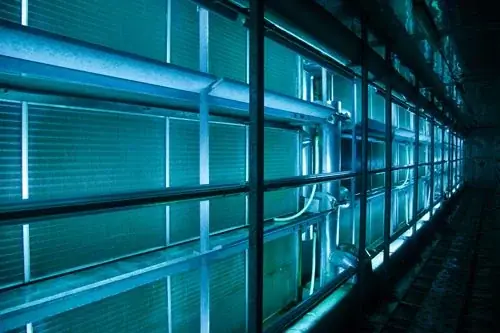
UV-C light, a specific wavelength of ultraviolet energy, is proven to inactivate mold, bacteria, and viruses on exposed surfaces. When positioned correctly, UV lamps target the coil’s surface and surrounding drain pan, areas most susceptible to microbial buildup. The continuous exposure ensures that even hard-to-reach spots remain sanitized, reducing the need for harsh chemicals or frequent manual cleaning.
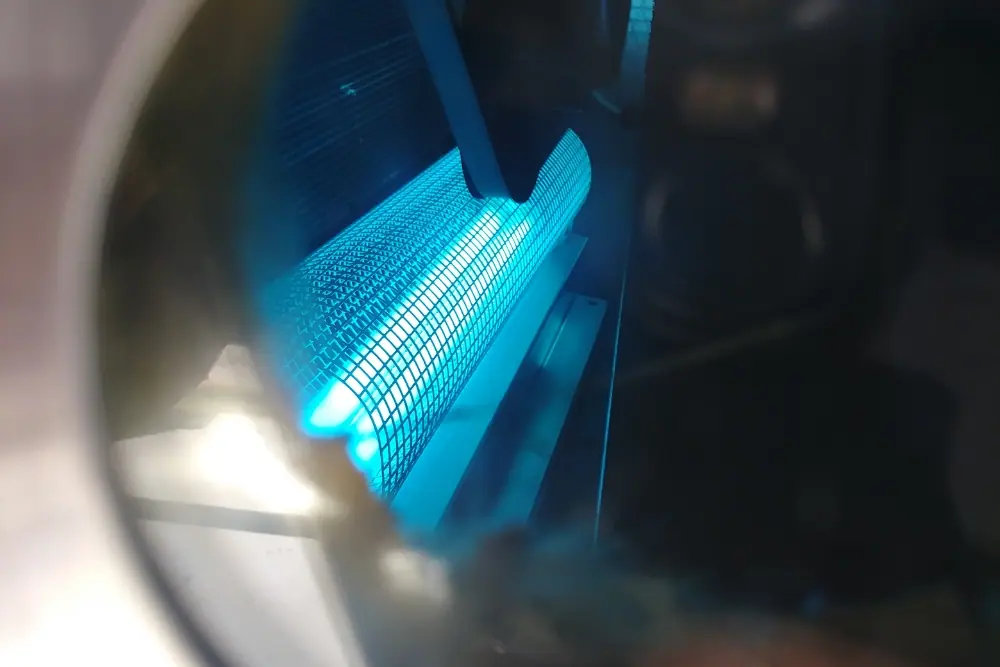
By integrating UV technology, HVAC systems can operate more efficiently. Clean coils transfer heat better, reducing energy consumption and extending equipment lifespan. This proactive approach also minimizes the risk of musty odors and allergen circulation, creating a healthier indoor environment for occupants.
Key Benefits of UV Solutions for Coil Maintenance
- Continuous Disinfection: UV lamps work around the clock to keep coil surfaces free of mold and bacteria.
- Improved System Efficiency: Clean coils allow for optimal heat exchange, lowering energy bills and reducing wear on components.
- Better Air Quality: By preventing microbial growth, UV solutions help reduce allergens and respiratory irritants in circulated air.
- Reduced Maintenance Costs: Less frequent manual cleaning and fewer chemical treatments mean lower long-term expenses.
- Odor Control: Eliminating mold and bacteria at the source helps prevent unpleasant smells from entering living or working spaces.
Installation and Maintenance Considerations
While UV lamps offer significant advantages, proper installation and routine maintenance are crucial for effectiveness. Lamps should be positioned to maximize exposure to coil surfaces and replaced according to manufacturer recommendations, typically every 12 to 24 months. Regular inspections ensure that the system continues to deliver reliable disinfection and that no shadows or obstructions reduce coverage.
It’s also important to select UV products designed specifically for HVAC applications. Professional installation ensures safety and optimal performance, as UV-C light can be harmful to skin and eyes if not properly contained.
Comparing UV Light to Traditional Coil Cleaning Methods
Traditional coil cleaning methods often involve manual scrubbing, chemical sprays, or pressure washing. While these techniques can remove visible debris, they may not address microscopic contaminants or prevent rapid regrowth. In contrast, uv light and cooling coil cleanliness approaches provide ongoing protection without the need for harsh chemicals or frequent labor.
Combining UV technology with periodic inspections and filter changes creates a comprehensive maintenance plan that supports both system performance and occupant health.
Potential Drawbacks and Safety Tips
While UV-C technology is highly effective, it’s important to be aware of potential drawbacks. Improper installation or maintenance can reduce effectiveness or pose safety risks. UV lamps must be shielded to prevent accidental exposure, and only qualified professionals should handle installation and servicing. Additionally, UV light does not remove dust or debris, so regular filter changes and system cleaning remain necessary.
For a balanced perspective on the advantages and limitations of UV technology in HVAC systems, see this comprehensive guide to UV light in HVAC.
Integrating UV with Other Mold Prevention Strategies
UV lamps are most effective when used as part of a holistic HVAC maintenance plan. Controlling humidity, sealing ductwork, and ensuring proper drainage all contribute to a mold-resistant environment. For more detailed strategies, the article on reducing mold risk in ductwork provides practical steps to further protect your system and indoor air.
Combining UV technology with these best practices ensures long-term protection against mold, bacteria, and other contaminants.
Frequently Asked Questions
How does UV light prevent mold growth on cooling coils?
UV-C lamps emit a wavelength of light that damages the DNA of mold, bacteria, and viruses. When installed near cooling coils, the continuous exposure prevents these microorganisms from multiplying and forming colonies, keeping coil surfaces clean and reducing the risk of mold-related issues.
Is UV technology safe for my HVAC system and home?
When installed and maintained by professionals, UV-C systems are safe and effective. The lamps are contained within the HVAC unit, minimizing any risk of exposure to occupants. Regular maintenance ensures continued performance and safety.
How often should UV lamps be replaced?
Most UV-C lamps designed for HVAC use should be replaced every 12 to 24 months, depending on manufacturer recommendations and system usage. Regular inspections help ensure the lamps are functioning properly and providing adequate coverage.
Conclusion
Investing in uv light and cooling coil cleanliness is a proactive way to protect your indoor environment, improve HVAC efficiency, and reduce the risk of mold-related problems. By combining UV technology with routine maintenance and other best practices, you can enjoy cleaner air, lower energy costs, and greater peace of mind. For families concerned about air quality, especially those with children, additional information on uv light and children’s indoor air quality is available for further reading.