Indoor air quality is a growing concern for parents who want to create a healthier home environment. With children spending more time indoors, the air they breathe can have a significant impact on their well-being. UV air purification for families offers a proactive way to reduce airborne germs, allergens, and other contaminants, helping to protect your loved ones from potential health risks.
Many households are exploring advanced solutions to keep indoor air as clean as possible. Among these, ultraviolet (UV) air purifiers have gained attention for their ability to neutralize bacteria, viruses, and mold spores. In this guide, you’ll learn how UV technology works, its benefits for families, and what to consider before adding a UV system to your home.
For a deeper dive into how UV systems interact with your home’s ductwork and air quality, check out our article on air duct health and uv technology. Understanding the relationship between your HVAC system and air purification is key to making informed choices for your family.
How UV Air Purification Protects Your Family
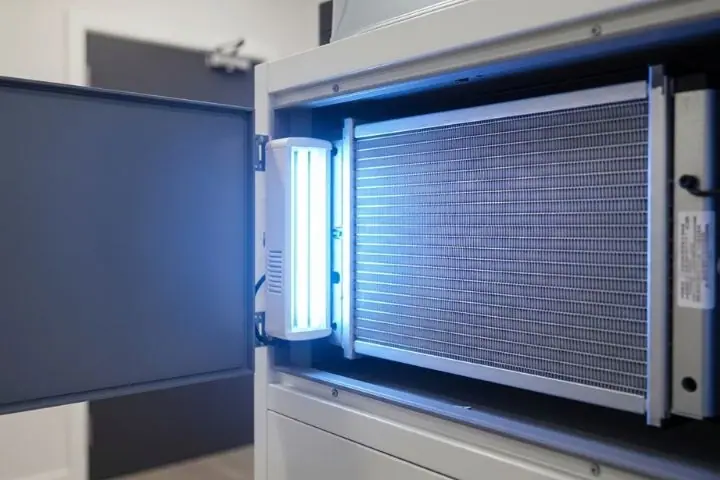
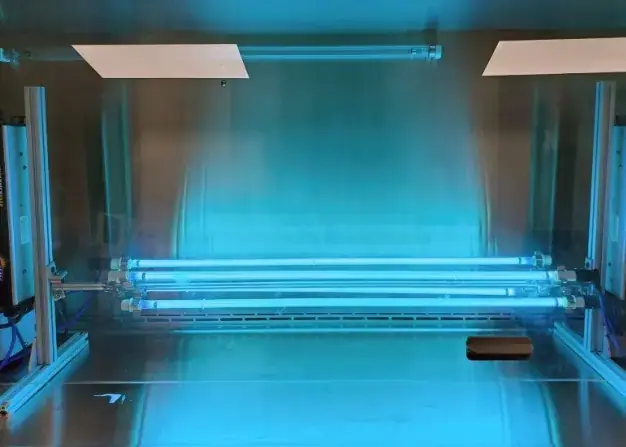
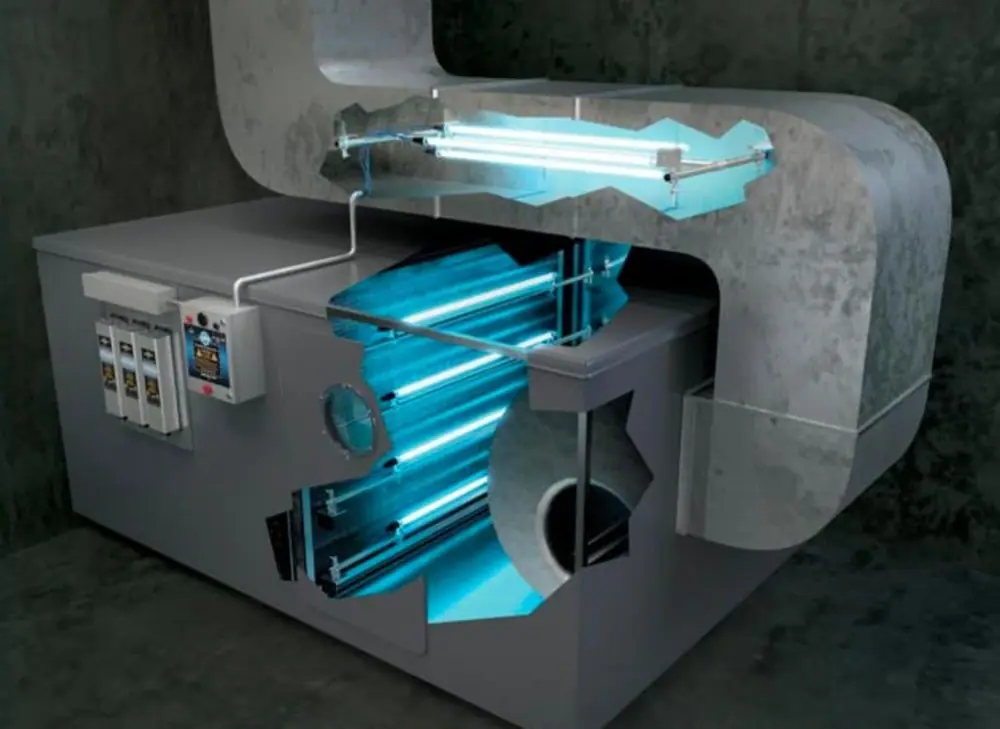
UV air purifiers use ultraviolet light, specifically UV-C wavelengths, to disrupt the DNA and RNA of microorganisms. This process inactivates bacteria, viruses, and mold spores, preventing them from reproducing and spreading throughout your home. When installed in HVAC systems or as standalone units, these purifiers can help reduce the concentration of airborne pathogens that may cause illness.
For families, the main advantage is the added layer of protection against germs that traditional filters might miss. Children are especially vulnerable to respiratory issues, allergies, and infections, so minimizing exposure to harmful particles is crucial. UV systems work continuously, providing peace of mind that your air is being treated even when you’re not thinking about it.
Benefits of UV Technology for Households with Children
Parents are often concerned about the invisible threats lurking in indoor air. Here are some of the key benefits of using UV air purification for families:
- Reduces airborne bacteria and viruses: UV-C light can neutralize many common pathogens, lowering the risk of colds, flu, and other illnesses.
- Helps control mold growth: By targeting mold spores in the air and within HVAC systems, UV purifiers help prevent mold-related allergies and respiratory problems.
- Improves allergy symptoms: While UV light doesn’t remove dust or pollen, it can reduce biological allergens, making it easier for children with sensitivities to breathe comfortably.
- Works silently and continuously: Unlike noisy air purifiers, UV systems operate quietly and require minimal maintenance once installed.
To learn more about how UV technology can specifically benefit young family members, you might be interested in our resource on uv light and children’s indoor air quality.
Comparing UV Systems with Other Air Purification Methods
There are several options for improving indoor air quality, including HEPA filters, activated carbon filters, and ionizers. Each method targets different types of pollutants. UV air purifiers excel at neutralizing biological contaminants, while HEPA filters are better at capturing particulates like dust and pollen. Some advanced systems combine multiple technologies for comprehensive protection.
For families, the best approach may involve a combination of filtration and UV treatment. This ensures that both particles and microorganisms are addressed. If you’re interested in the differences between UV lights and other purification methods, this comparison of UV lights and air purifiers provides a detailed look at how each technology works and which might be best for your needs.
Installation and Maintenance Considerations
Adding a UV air purifier to your home is a straightforward process, but there are a few things to keep in mind:
- Professional installation: For whole-home systems, it’s important to have a qualified technician handle the installation to ensure safety and effectiveness.
- Regular maintenance: UV bulbs lose effectiveness over time and should be replaced according to the manufacturer’s recommendations, typically once a year.
- Placement matters: UV lights are most effective when installed in areas with high airflow, such as inside the HVAC system or near the evaporator coil.
- Safety precautions: Direct exposure to UV-C light can be harmful. Systems are designed to keep the light contained, but always follow safety guidelines during maintenance.
Proper care and attention to your UV system will help it perform optimally and keep your family’s air as clean as possible. For tips on keeping your HVAC system free of moisture and mold, see our guide on uv light and duct moisture control.
Addressing Mold and Allergens with UV Air Purifiers
Mold growth and allergens are persistent challenges in many homes, especially in damp or poorly ventilated areas. UV air purification systems are effective at targeting mold spores before they have a chance to settle and multiply. By disrupting the reproductive cycle of mold, these systems help reduce the risk of allergic reactions and respiratory issues in children and adults alike.
For families dealing with persistent mold or allergy problems, combining UV technology with regular cleaning and humidity control can make a noticeable difference. For more strategies on minimizing mold in your ductwork, see our article on reducing mold risk in ductwork.
Choosing the Right UV Air Purification Solution for Your Home
When selecting a UV air purifier, consider the following factors to ensure you choose the best option for your family’s needs:
- Type of system: Decide between a whole-home system integrated into your HVAC or a portable unit for individual rooms.
- Coverage area: Make sure the purifier is rated for the size of your home or the specific rooms you want to protect.
- Certification and testing: Look for products that have been independently tested for safety and effectiveness.
- Maintenance requirements: Check how often bulbs need to be replaced and whether filters are included.
- Budget: Balance the upfront cost with long-term benefits and maintenance expenses.
Consulting with a professional can help you determine the most suitable system for your home and ensure proper installation. If you’re interested in learning how UV technology can improve the cleanliness of your HVAC system, our article on improving hvac cleanliness with uv light provides additional insights.
Frequently Asked Questions
Are UV Air Purifiers Safe for Children and Pets?
Yes, when installed and used correctly, UV air purifiers are safe for families, including children and pets. The UV-C light is contained within the system and does not escape into living spaces. Always follow manufacturer guidelines and schedule regular maintenance to ensure continued safety.
Do UV Systems Remove Dust and Pet Dander?
UV air purifiers are designed to neutralize biological contaminants like bacteria, viruses, and mold spores. They do not physically remove dust, pet dander, or pollen. For comprehensive air quality improvement, consider combining UV technology with HEPA filtration.
How Often Should UV Bulbs Be Replaced?
Most UV bulbs should be replaced every 12 months, but this can vary by manufacturer. Regular replacement ensures the system continues to effectively neutralize airborne pathogens and maintain optimal performance.
Can UV Air Purification Help with Allergies?
While UV systems do not filter out allergens like dust or pollen, they can reduce biological allergens such as mold spores and bacteria. This can help alleviate allergy symptoms, especially when used alongside other air cleaning methods.
Is Professional Installation Necessary?
For whole-home UV systems, professional installation is highly recommended to ensure safety and effectiveness. Portable units may be suitable for DIY setup, but always read and follow the manufacturer’s instructions.