Understanding UV-C wavelength technology is essential for anyone seeking to improve indoor air quality and maintain healthier HVAC systems. As concerns about airborne pathogens, allergens, and mold grow, more homeowners and facility managers are turning to ultraviolet solutions for their air ducts. This article explores how UV-C works, its benefits, and practical considerations for installation and maintenance.
Ultraviolet germicidal irradiation (UVGI) has been used for decades in hospitals and laboratories to disinfect air and surfaces. Today, similar technology is being adapted for residential and commercial HVAC systems, targeting contaminants directly within ductwork. By harnessing a specific range of ultraviolet light, UV-C systems can help reduce the spread of bacteria, viruses, and mold spores throughout a building.
For those interested in a deeper dive into related topics, you may also want to read about improving hvac cleanliness with uv light, which covers additional strategies for maintaining cleaner air systems.
What Is UV-C and How Does It Work in Air Ducts?
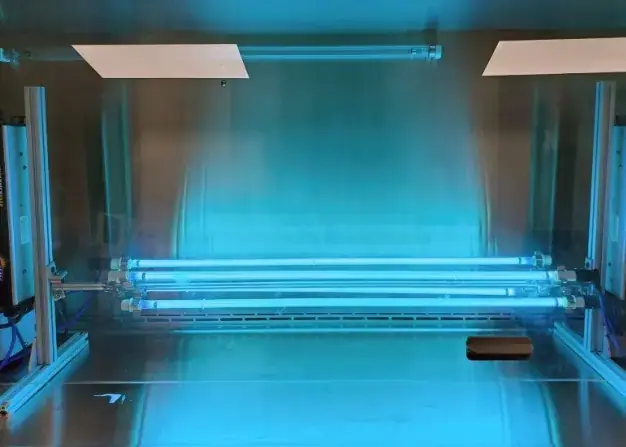
UV-C refers to a specific band of ultraviolet light, with wavelengths between 200 and 280 nanometers. This range is particularly effective at disrupting the DNA and RNA of microorganisms, rendering them inactive or unable to reproduce. When UV-C lamps are installed inside air ducts, they continuously expose passing air and surfaces to germicidal light, helping to neutralize bacteria, viruses, and mold spores before they circulate through the building.
The most common type of lamp used for this purpose emits light at 254 nanometers, which is considered optimal for germicidal action. Unlike chemical disinfectants, UV-C leaves no residue and does not introduce additional substances into the air. This makes it a popular choice for those seeking a low-maintenance, chemical-free solution to air quality challenges.
Key Benefits of UV-C Air Purification in HVAC Systems
Integrating UV-C technology into HVAC ductwork offers several important advantages:
- Continuous disinfection: UV-C lamps operate around the clock, providing ongoing protection against airborne pathogens.
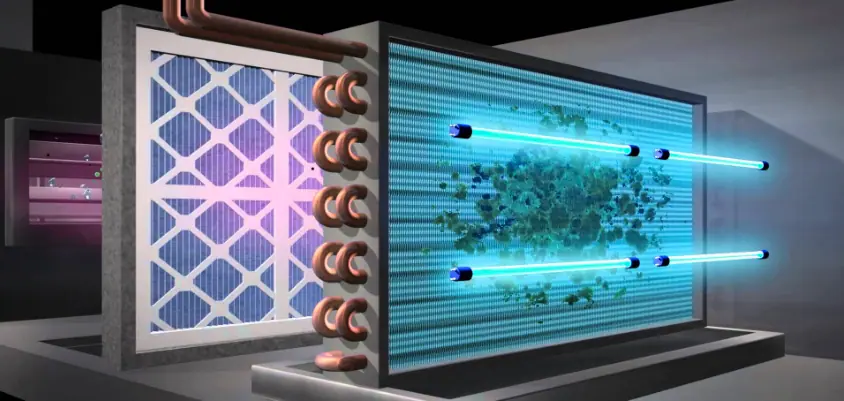
- Reduction of mold and biofilm: By targeting mold spores and bacteria, UV-C helps prevent the buildup of biofilm on coils and other surfaces, which can otherwise reduce system efficiency.
- Improved air quality: Neutralizing microbes in the ductwork means fewer contaminants are recirculated, supporting healthier indoor environments.
- Lower maintenance needs: Cleaner coils and ducts can reduce the frequency of manual cleanings and extend the lifespan of HVAC components.
For a closer look at how UV-C can help with moisture and mold issues, see our article on uv light and duct moisture control.
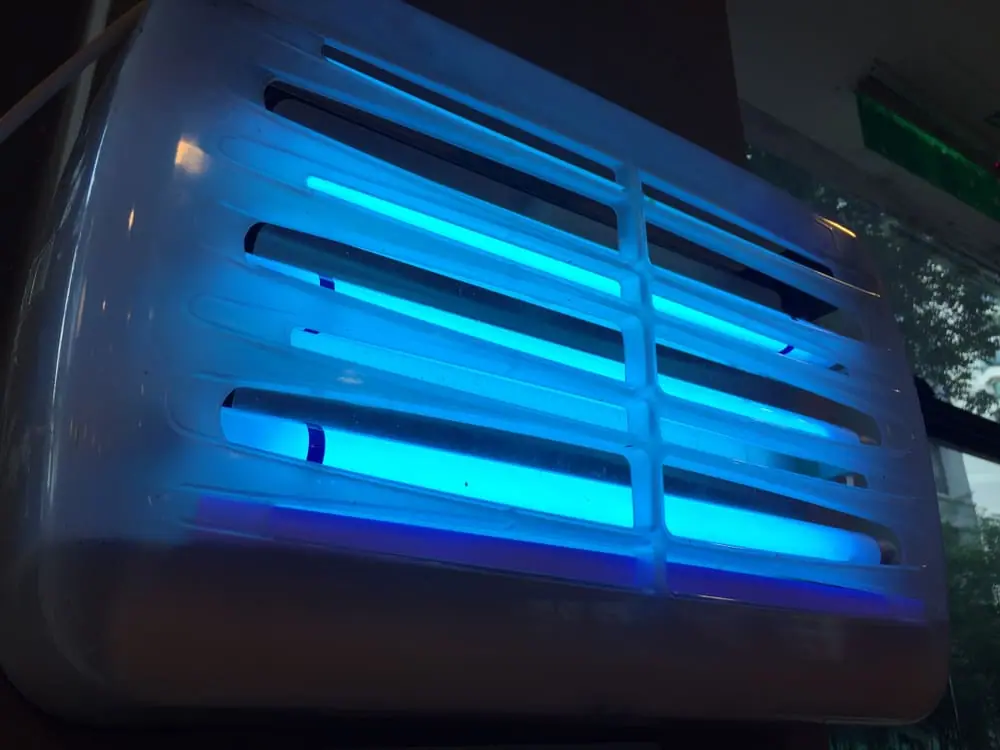
How UV-C Systems Are Installed in Ductwork
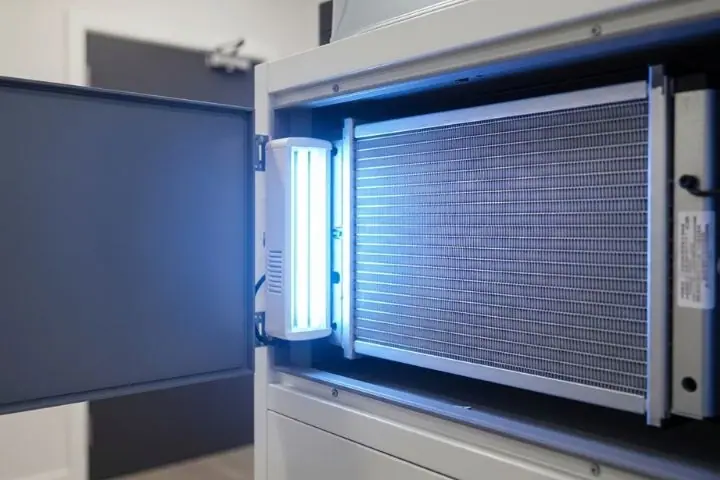
UV-C devices for air ducts are typically installed by HVAC professionals. The lamps are mounted inside the ductwork or near the evaporator coil, where they can treat both moving air and surfaces prone to microbial growth. Proper placement is crucial to maximize exposure and ensure safety, as direct UV-C light can be harmful to skin and eyes.
Most systems are designed to operate in tandem with the HVAC blower, activating when air is circulating. Some advanced models include sensors or timers to optimize energy use and lamp lifespan. Regular maintenance, such as periodic lamp replacement and inspection, is necessary to keep the system functioning effectively.
If you are considering adding UV-C to your HVAC, it is important to consult with a qualified technician to ensure compatibility and safe installation. For guidance on keeping your system running optimally, check out our uv light replacement schedule for homeowners.
Effectiveness of UV-C Wavelength Technology Against Airborne Contaminants
Numerous studies have demonstrated the ability of UV-C to inactivate a wide range of pathogens, including bacteria, viruses, and mold spores. The effectiveness depends on several factors:
- Intensity of the UV-C lamp: Higher output increases germicidal action.
- Exposure time: Longer exposure leads to more thorough disinfection.
- Airflow rate: Faster-moving air may reduce exposure time, so lamp placement and system design are important.
- Cleanliness of the lamp and duct: Dust or debris can block UV-C rays, reducing effectiveness.
While UV-C is not a replacement for filtration or regular cleaning, it serves as a valuable supplement, especially in environments where air quality is a top concern. For more on the impact of UV-C on indoor air, see our article on air quality improvements after uv installation.
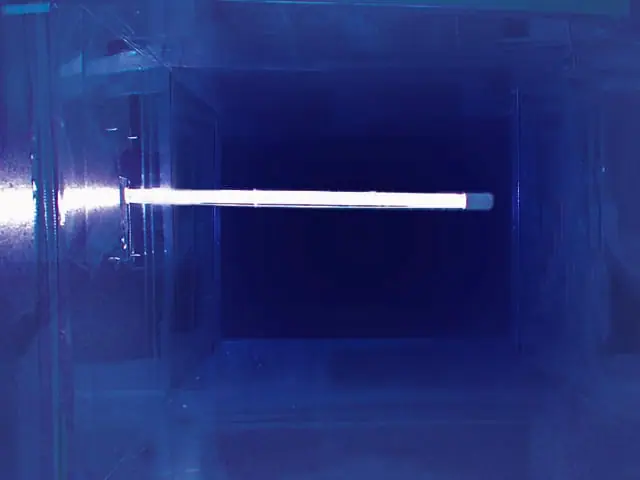
Comparing UV-C to Other Air Purification Methods
While UV-C is highly effective against microorganisms, it is most powerful when used alongside other air purification strategies. HEPA filters, electrostatic precipitators, and activated carbon filters each target different types of contaminants. UV-C specifically addresses living pathogens, whereas filters capture particulates and some chemical pollutants.
Combining UV-C with traditional filtration can deliver comprehensive protection, especially in environments where both biological and non-biological contaminants are a concern. For those focused on mold prevention, our guide on reducing mold risk in ductwork provides additional tips.
Maintenance and Safety Considerations for UV-C in Air Ducts
Maintaining a UV-C system is straightforward but essential for continued performance. Lamps typically need to be replaced every 12 to 24 months, depending on manufacturer recommendations and usage patterns. Regular inspection ensures that lamps are clean and operating at full strength.
Safety is also a priority. UV-C light should never be viewed directly, and systems must be installed with proper shielding and interlocks to prevent accidental exposure. Homeowners should always follow the manufacturer’s instructions and rely on professional installation for best results.
Real-World Results and User Experiences
Many users report noticeable improvements in air freshness and a reduction in allergy symptoms after installing UV-C systems in their HVAC ductwork. Facilities managers often cite lower maintenance costs and fewer mold-related service calls. For a broader perspective on the advantages, see the top benefits of installing a UV light system for air conditioners as outlined by industry experts.
Frequently Asked Questions
How long does a UV-C lamp last in an HVAC system?
Most UV-C lamps are rated for 9,000 to 12,000 hours of operation, which typically translates to 12–24 months of use. Regular replacement is important to maintain germicidal effectiveness.
Is UV-C safe for use in homes and offices?
When installed and maintained properly, UV-C systems are safe for residential and commercial use. The lamps are enclosed within ductwork, preventing direct exposure to occupants. Always use professional installation and follow safety guidelines.
Can UV-C eliminate all indoor air contaminants?
UV-C is highly effective against microorganisms like bacteria, viruses, and mold spores, but it does not remove dust, pollen, or chemical pollutants. For best results, combine UV-C with high-quality filtration and regular HVAC maintenance.
Conclusion
Understanding UV-C wavelength technology is key to making informed decisions about air purification and HVAC maintenance. By targeting airborne pathogens at the source, UV-C systems offer a proactive approach to cleaner, healthier indoor environments. When combined with other air quality strategies and maintained properly, UV-C can play a vital role in protecting your home or business from invisible threats.