Keeping your HVAC system free from mold is essential for maintaining healthy indoor air quality and ensuring the longevity of your equipment. Mold growth within heating, ventilation, and air conditioning units can lead to musty odors, respiratory issues, and costly repairs. By adopting mold prevention strategies for HVAC systems, homeowners and facility managers can significantly reduce the risk of contamination and improve overall system performance.
This guide explores proven methods to stop mold before it becomes a problem, from moisture control and filtration to advanced UV technology. If you’re interested in learning more about how ultraviolet solutions impact ductwork, check out our detailed overview on air duct health and uv technology for additional insights.
Understanding Mold Risks in HVAC Systems
Mold thrives in damp, dark environments—making HVAC components like coils, drip pans, and ductwork prime locations for colonization. When spores find moisture and organic debris inside the system, they can multiply quickly. This not only impacts air quality but can also trigger allergies and asthma in sensitive individuals.
Common signs of mold in HVAC units include persistent musty smells, visible growth on vents or inside ductwork, and increased allergy symptoms when the system is running. Addressing these issues early with effective mold prevention strategies is key to avoiding more serious problems down the line.
Key Elements of an Effective Mold Prevention Plan
To keep your HVAC system mold-free, a comprehensive approach is necessary. Here are the most important components of a successful prevention plan:
- Moisture management: Eliminate sources of excess water and humidity in and around the system.
- Filtration and cleaning: Use high-quality filters and schedule regular maintenance to remove dust and debris.
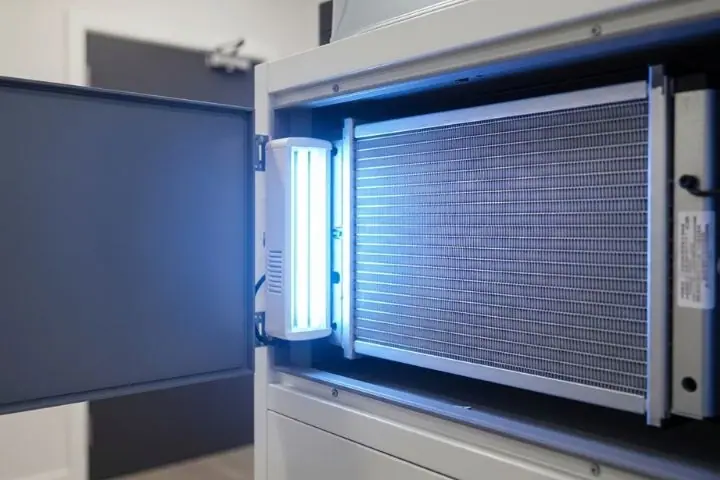
- UV light installation: Employ ultraviolet lamps to neutralize mold spores and bacteria on coils and in ductwork.
- System inspections: Conduct periodic checks to catch early signs of mold or water buildup.
Moisture Control: The First Line of Defense
Controlling humidity is the foundation of all mold prevention strategies for HVAC systems. Mold cannot grow without moisture, so keeping relative humidity below 60% is crucial. Here are practical steps for moisture management:
- Ensure condensate drain lines are clear and functioning properly.
- Repair leaks in ductwork, roofs, or plumbing near the system.
- Use dehumidifiers in damp areas, especially basements or crawl spaces.
- Insulate ducts to prevent condensation on cool surfaces.
Regularly checking for standing water or dampness around your HVAC unit can help you catch problems before they escalate.
Filtration and Routine Cleaning
Dust and organic debris provide food for mold. Using high-efficiency filters (such as HEPA or MERV 13+) traps more particles, reducing what enters your system. Replace filters according to manufacturer recommendations, or more often if you have pets or live in a dusty environment.
Professional duct cleaning can also remove built-up contaminants. For more targeted advice on minimizing contamination, see our article on reducing mold risk in ductwork.
UV Light Technology: Advanced Mold Control
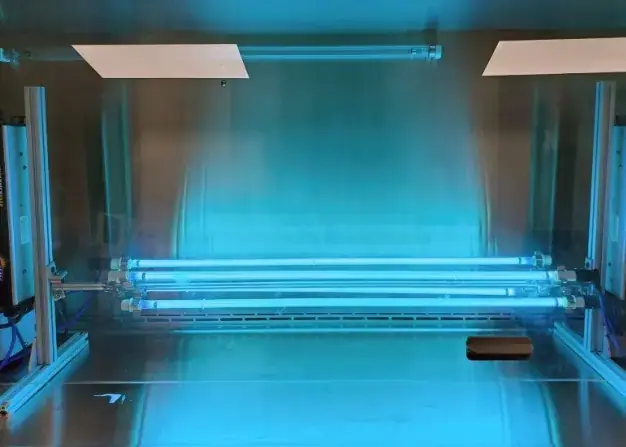
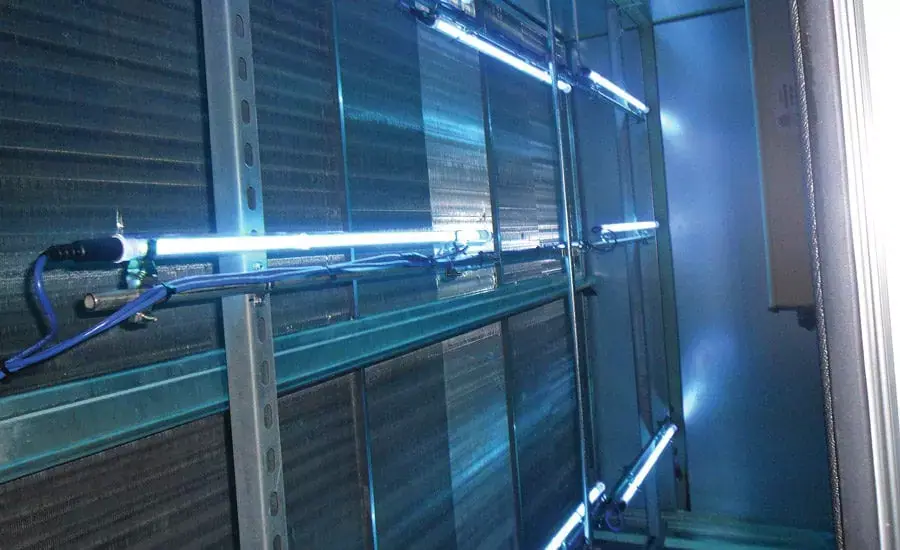
Ultraviolet germicidal irradiation (UVGI) is a powerful tool for preventing mold in HVAC systems. UV lamps installed near coils or inside ducts disrupt the DNA of mold spores, bacteria, and viruses, rendering them harmless. This technology is especially effective in humid climates or for systems prone to recurring mold issues.
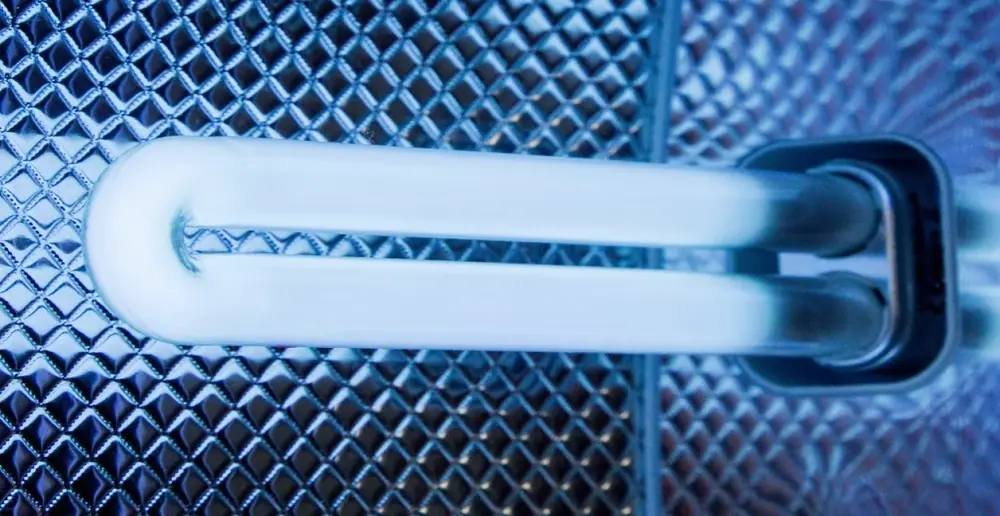
According to industry experts on UV lights for HVAC, these systems can reduce microbial growth by up to 99% on treated surfaces. When combined with proper filtration and moisture control, UVGI offers a layered defense against mold and other indoor air contaminants.
For a deeper dive into the benefits of UV technology and how it works in residential and commercial settings, our resource on improving hvac cleanliness with uv light provides additional context.
Inspection and Maintenance Best Practices
Routine inspections are essential for catching mold or moisture issues early. Schedule professional maintenance at least once a year, or more frequently if your system is older or located in a humid region. During inspections, technicians should:
- Check evaporator and condenser coils for visible mold or slime.
- Inspect drip pans and drain lines for clogs or standing water.
- Examine ductwork for leaks, insulation gaps, or signs of microbial growth.
- Test humidity levels and adjust system settings as needed.
Promptly addressing any issues found during these checks will help maintain a healthy, efficient HVAC system.
Benefits of a Mold-Free HVAC System
Implementing robust mold prevention strategies delivers several important benefits:
- Healthier indoor air: Reduces allergens and respiratory irritants.
- Improved system efficiency: Clean components operate more effectively, saving energy.
- Lower maintenance costs: Prevents expensive repairs caused by mold-related damage.
- Longer equipment lifespan: Minimizes wear and tear from biological contamination.
Families with children or individuals with allergies may notice the most significant improvements. For more on how UV solutions can help protect vulnerable populations, see our discussion of uv light and children’s indoor air quality.
Choosing the Right UV Solution for Your Needs
Not all UV systems are created equal. Factors to consider when selecting a UVGI solution include lamp intensity, placement, and compatibility with your existing HVAC setup. Professional installation ensures optimal coverage and safety. For a comprehensive guide to selecting and maintaining UV lights, our article on uv light and duct moisture control offers step-by-step recommendations.
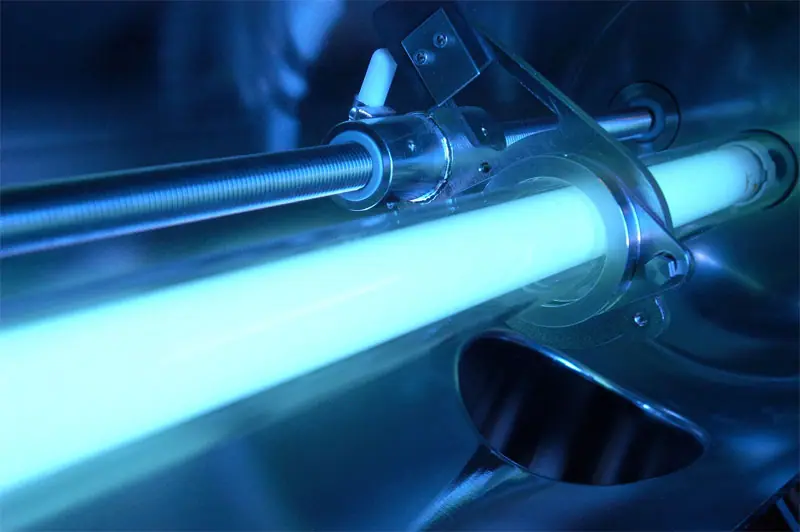
Consulting with a qualified HVAC professional can help you determine the best approach for your property, whether you need a single-lamp system for a small home or a multi-lamp array for larger commercial spaces.
Frequently Asked Questions
How often should HVAC systems be inspected for mold?
It’s recommended to have your HVAC system professionally inspected at least once a year. However, if you live in a humid climate or have experienced past mold issues, more frequent inspections—every six months—may be beneficial.
Are UV lights safe for use in residential HVAC systems?
Yes, when installed and maintained correctly, UV lights are safe and effective for residential use. They are designed to target mold and bacteria on surfaces within the HVAC system, not in occupied spaces. Always follow manufacturer guidelines and have installation performed by a professional.
Can I prevent mold in my HVAC system without UV technology?
While UV lights offer an extra layer of protection, you can still reduce mold risk by controlling humidity, using high-quality filters, and scheduling regular maintenance. However, UVGI is especially useful in environments where mold is a recurring problem or where maximum air quality is desired.
Conclusion
Protecting your HVAC system from mold requires a proactive, multi-faceted approach. By focusing on moisture control, filtration, regular cleaning, and advanced solutions like UV light, you can create a healthier indoor environment and extend the life of your equipment. For tailored solutions or a professional assessment, don’t hesitate to reach out to an HVAC specialist.