What are the signs of a clogged dryer vent?
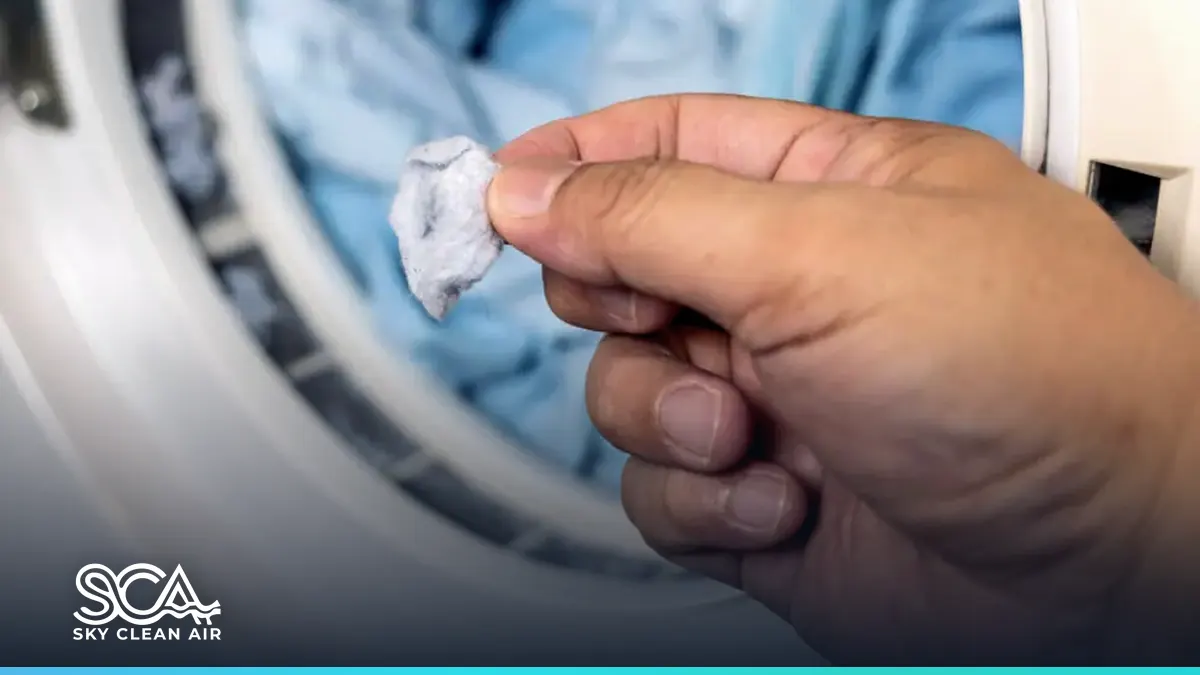
Lint that gets past the lint screen builds up inside the duct over time. As it does, the dryer can't push hot, moist air out, and you'll start to notice:
- Long dry times. Towels and jeans needing two or three cycles is the most common clue.
- A hot dryer or laundry room. The top of the dryer feels unusually hot, or the room heats up when it runs.
- Clothes that come out very hot but still damp.
- A burning smell while the dryer runs. Stop using it until it's checked.
- Lint around the lint trap door or behind the dryer.
- A vent flap that barely moves outside while the dryer is on.
- Error codes on newer dryers that warn of restricted airflow.
How do I check my dryer vent?
A couple of quick checks can tell you a lot:
- Feel the airflow outside. With the dryer running on high heat, go to the outside hood. You should feel a strong, warm stream of air and see the flap open fully. A weak puff means a restriction somewhere.
- Look behind the dryer. Pull it out carefully and check that the transition duct isn't crushed, kinked or disconnected.
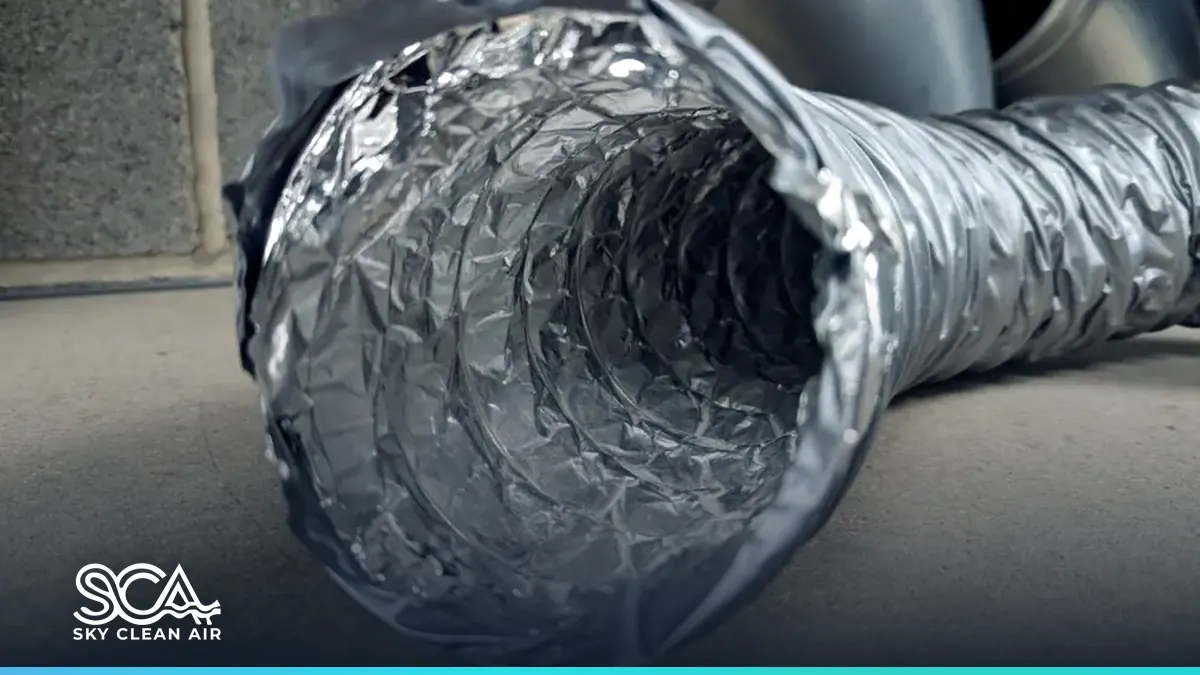
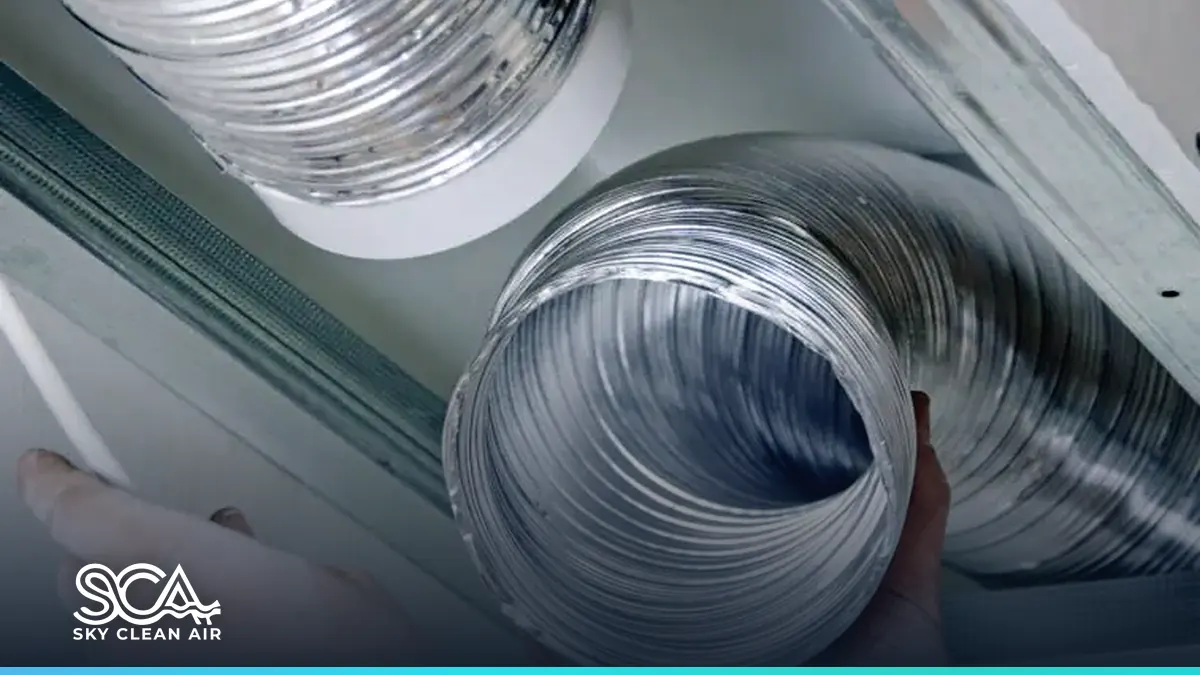
- Look at the duct type. White vinyl or thin foil accordion duct traps lint and should be replaced with metal.
- Check the outside hood for lint buildup, a stuck flap, a screen or a bird nest.
If the airflow is weak even with the transition duct straight and the hood clear, the blockage is inside the wall or ceiling run.
Why does a clogged dryer vent matter?
Lint is very flammable, and a dryer with poor airflow runs hotter than it should. That combination is why clogged vents are a well-known cause of house fires. A restricted vent also makes the dryer work harder, wastes energy, and wears out heating elements, thermal fuses and belts.
Gas dryers add another concern. If exhaust can't get out, combustion gases may back up into the home. Make sure you have working carbon monoxide alarms, and if one goes off, get everyone out and call 911.
Why do some dryer vents clog faster?
Some setups are more prone to buildup, and they're common in Southern California homes:
- Roof vents, where lint has to travel up through the attic and out a roof cap
- Long runs from an interior laundry room or a second-floor laundry closet
- Several bends, each of which slows airflow and collects lint
- Heavy use in larger households
- Coastal humidity, which can make lint damp and sticky in the duct
If your vent has any of these, plan on cleaning it more often.
What happens during a professional dryer vent cleaning?
A technician starts by checking airflow at the outside hood, then disconnects the dryer and inspects the transition duct. The full run is cleaned with rotary brushes and a strong vacuum or air source, working from one or both ends. Bird nests and packed lint at the hood get cleared, and the flap is checked to make sure it opens and closes freely.
Afterward, the dryer is reconnected with a proper metal transition duct and airflow is tested again. If the duct is crushed, disconnected inside the wall or simply too long, you'll get options to repair or reroute it.
Can I clean a clogged dryer vent myself?
For a short, straight run, a dryer vent brush kit can clear a lot of lint. Disconnect the dryer, brush from both ends if you can, and vacuum up what comes out.
Long, roof-vented or multi-turn runs are harder. Brushes can push lint into a tighter clog or come apart inside the duct. Professional cleaning uses rotary brushes and strong airflow to clear the whole length and checks for damage along the way. Our dryer vent cleaning team can also reroute a vent that keeps clogging. Check our specials page for current offers.