Why does dryer vent cleaning matter?
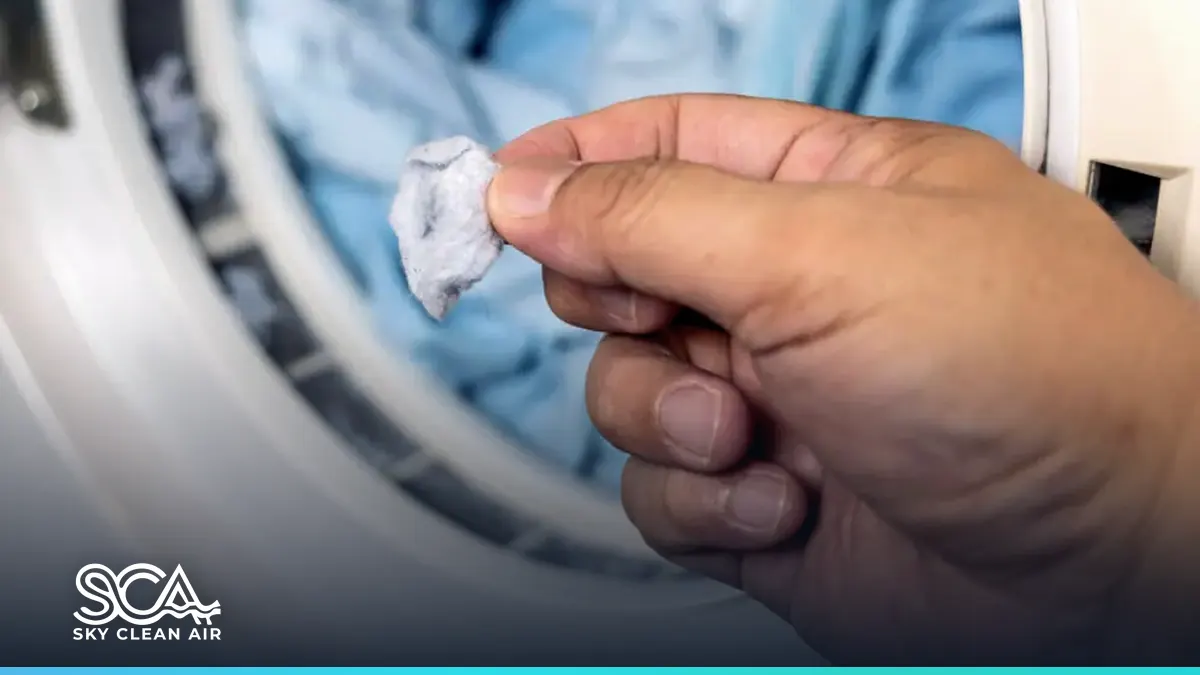
Every load sends lint past the lint screen and into the vent. Over time it builds up along the duct walls, in bends and at the outside hood. Lint is highly flammable, and a clogged vent traps heat inside the dryer, which raises the fire risk.
A blocked vent also makes the dryer work harder. Loads take longer, energy bills go up and parts like heating elements and thermal fuses wear out sooner. Gas dryers have one more concern: a blocked vent can push exhaust, including carbon monoxide, back into the house.
What are the signs your dryer vent is clogged?
- Clothes take more than one cycle to dry
- The dryer or the clothes feel very hot at the end of a cycle
- A burning smell when the dryer runs
- The laundry room feels warm and humid
- The outside vent flap barely opens when the dryer is running
- Lint collects around the outside hood or behind the dryer
If you notice a burning smell, stop the dryer and don't use it until the vent has been checked.
What tools do you need?
- A dryer vent cleaning kit with a rotary brush and extension rods
- A vacuum with a hose attachment
- A screwdriver or nut driver for clamps
- Foil tape (not cloth duct tape) for sealing joints
- Gloves and a dust mask
How do you clean a dryer vent step by step?
- Disconnect power. Unplug an electric dryer. For a gas dryer, turn off the gas valve behind it, and be careful not to bend or strain the gas line. If you're unsure about the gas connection, have a professional handle it. If you smell gas at any point, leave the house and call the gas utility from outside.
- Pull the dryer out. Slide it away from the wall slowly to reach the transition hose.
- Disconnect the transition hose. Loosen the clamps and remove the hose from the dryer and the wall.
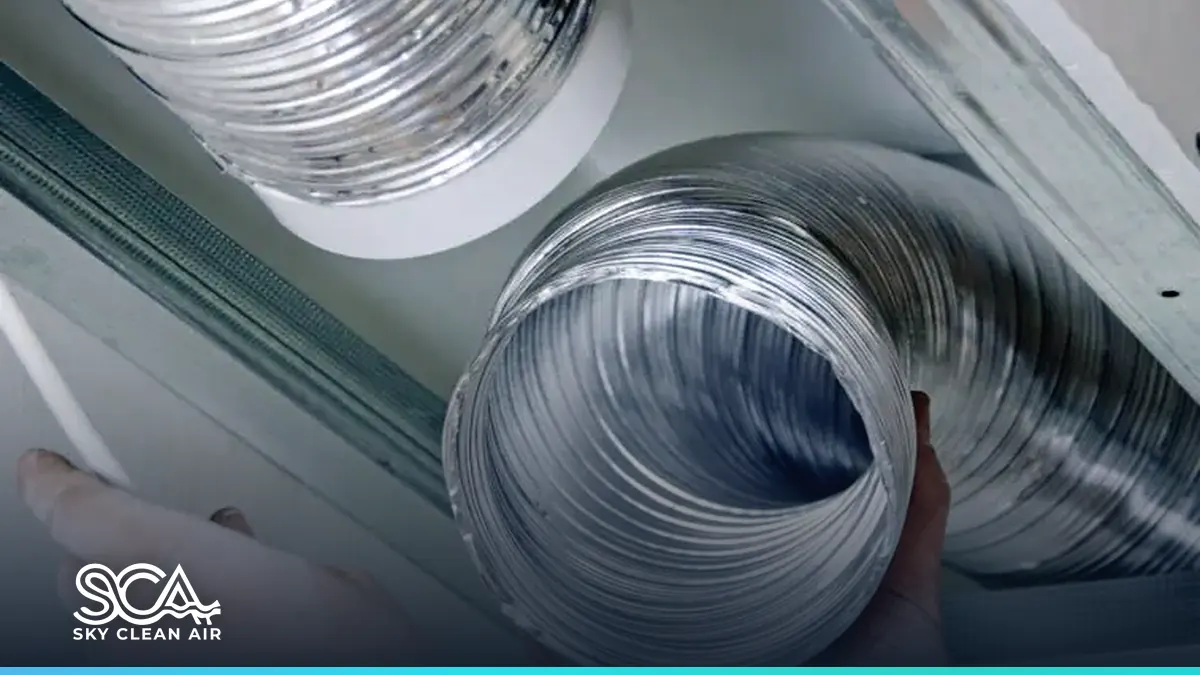
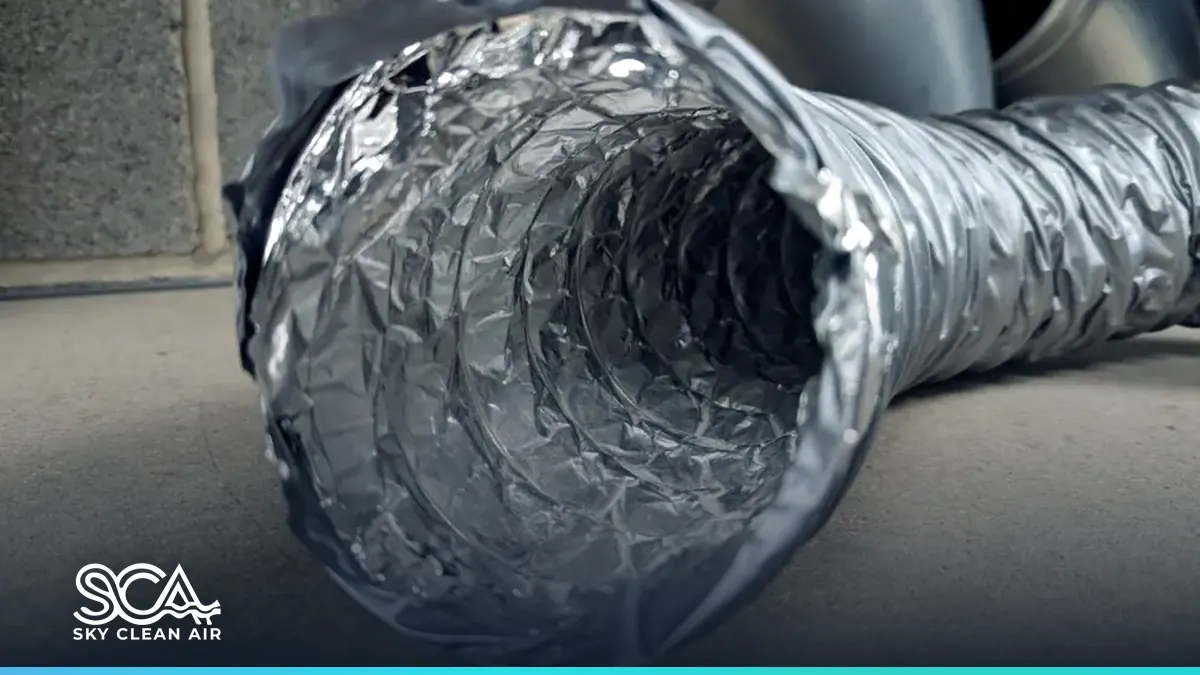
- Clean the hose. Shake out and vacuum lint. If it's thin plastic or foil accordion hose, replace it with semi-rigid or rigid metal duct.
- Brush the wall duct. Feed the rotary brush into the duct from inside and work it back and forth in sections, adding rods as you go.
- Clean from the outside. Remove the outside vent cover if possible, pull out lint, and brush the duct from that end too.
- Vacuum everything. Clean the duct openings, the dryer's exhaust port and the floor behind the dryer.
- Reconnect and seal. Attach the hose with clamps, seal joints with foil tape and avoid kinking the hose when you push the dryer back.
- Test it. Run the dryer on air-only and go outside to confirm the flap opens fully and air flows strongly.
When should you call a professional?
DIY cleaning works well on short, straight vents that go out a nearby wall. Call a professional when:
- The vent exits through the roof
- The vent is long or has several bends, which is common in condos and second-floor laundry rooms
- The brush gets stuck or you hit a blockage you can't clear
- You find bird nests or rodent material in the vent
- The duct is crushed, disconnected in the wall or attic, or made of plastic
- Drying times stay long after you've cleaned it
Our dryer vent cleaning service uses rotary brushes and high-powered vacuums to clear the full length of the vent, and we check the outside hood and connections while we're there.
How often should a dryer vent be cleaned?
Most households should have the vent cleaned at least once a year. Large families, homes with pets, and anyone doing several loads a day may need it more often. Clean the lint screen after every load, and wash it with soap and water every few months if you use dryer sheets, since they can leave a film that blocks airflow.
Coastal homes should check the outside hood regularly too. Salt air can corrode metal flaps and screens, and a stuck flap traps lint just as badly as a clogged duct.
What makes a dryer vent clog faster?
Some setups are more prone to buildup than others. Long runs, multiple elbows and vents that go up through the roof all slow the airflow, and slower air drops more lint along the way. Flexible foil or plastic hose has ridges that catch lint, and it crushes easily behind the dryer. A screen over the outside hood, which some homeowners add to keep birds out, catches lint and should be removed or replaced with a proper pest-resistant flap.
If your vent clogs often, rerouting it to a shorter path or replacing the hose with smooth metal duct can make cleaning less frequent.