Why replace a dryer vent cover?
The vent cover, or hood, is the piece on the outside wall or roof where dryer air exits. It's out in the weather all year, and plastic ones get brittle in the Southern California sun. Replace it when you notice:
- A flap that's stuck open, cracked or missing
- Birds or rodents nesting in or near the opening
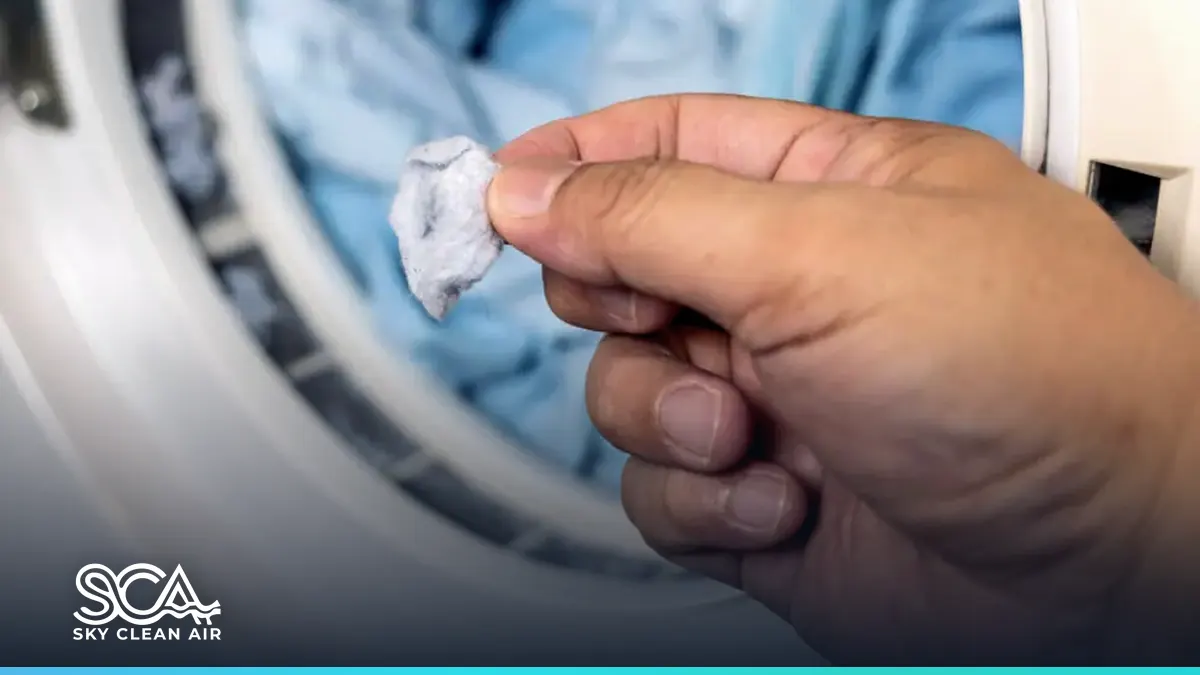
- Lint packed around the hood
- A loose hood pulling away from the stucco or siding
- A hood with a screen, which traps lint and is a fire risk
What kind of vent cover should I buy?
Look for a hood made for dryers, with a gravity flap or louvered damper that opens with airflow and closes when the dryer is off. Metal hoods last longer than plastic in direct sun and coastal salt air.
Avoid hoods with a built-in screen or mesh. They catch lint, restrict airflow and can lead to overheating. Pest guards made for dryer vents use wide openings or a spring-loaded flap instead of a fine screen.
Measure the duct size before you shop. Most residential dryer ducts are 4 inches in diameter, and the hood's collar has to match.
How do I replace the dryer vent cover?
You'll need a screwdriver or drill, a putty knife, foil tape or a duct clamp, and exterior-grade caulk.
- Unplug the dryer (and turn off the gas valve if it's a gas dryer) before working on the vent.
- Remove the old hood. Take out any screws and cut through old caulk with a putty knife. On stucco homes, the hood may be held with masonry screws or simply caulked in place.
- Inspect the duct. Pull out any lint you can reach and check that the duct is metal, intact and still attached.
- Dry-fit the new hood. Slide its collar into or over the duct so it overlaps by at least an inch or two.
- Secure the connection with foil tape or a clamp. Don't use screws through the duct, because they snag lint.
- Fasten the hood to the wall with the right screws for your siding or stucco.
- Caulk around the top and sides of the flange. Leave the bottom edge open or lightly sealed so any water can drain.
- Run the dryer and confirm the flap opens fully and closes when it stops.
How do I know the duct behind the cover is in good shape?
A new hood won't help much if the duct behind it is the wrong type or falling apart. While the cover is off, look for these problems:
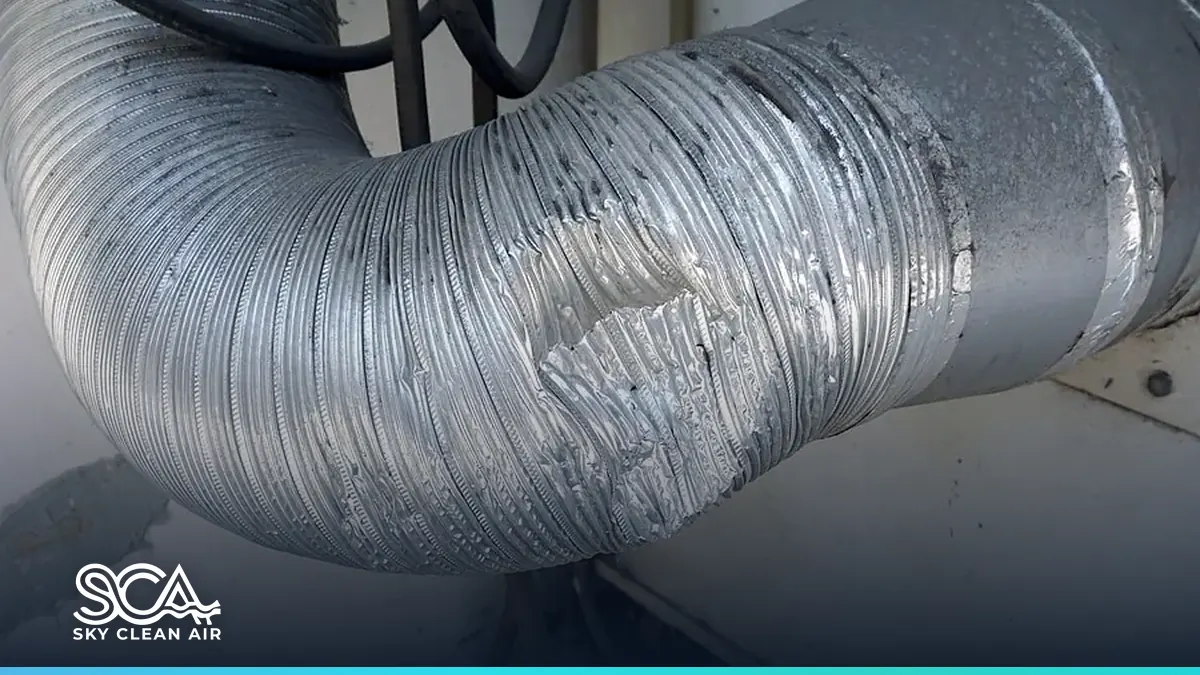
- White vinyl or thin foil accordion duct, which crushes easily and traps lint
- A duct that's been pulled loose inside the wall
- Heavy lint packed a few feet back
- Rust or damage on older metal duct, which is common near the coast
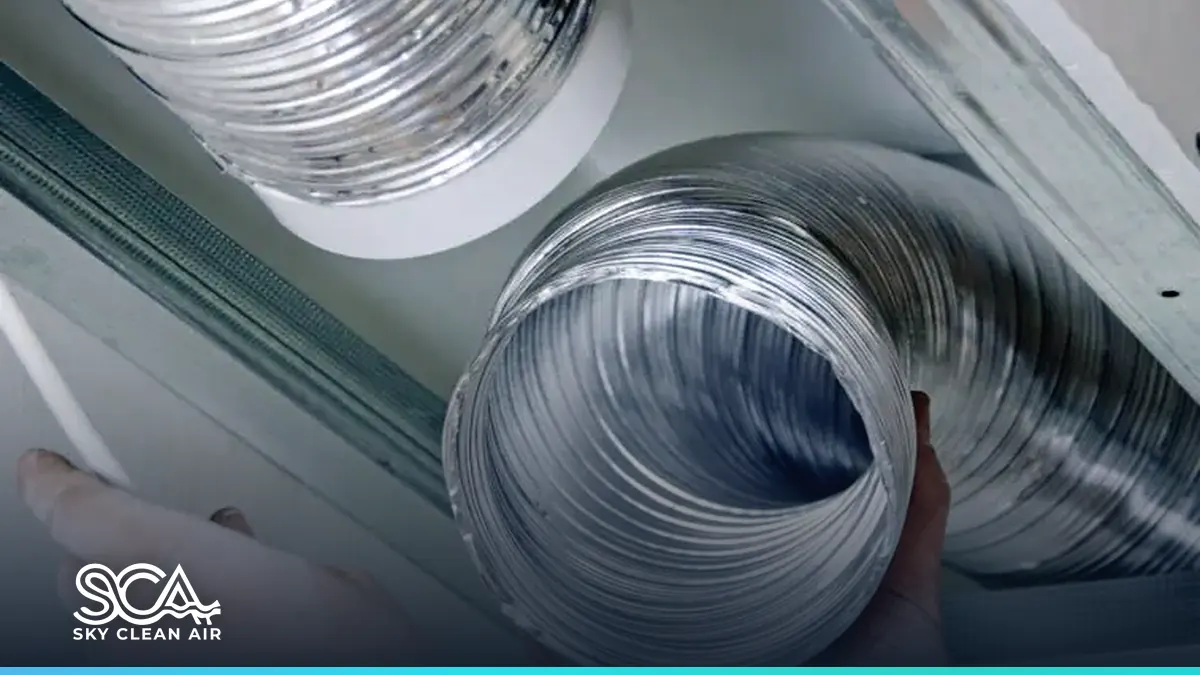
Rigid or semi-rigid metal duct is the standard. If you find plastic or crushed foil, it's worth replacing before you finish the job.
What if the vent is on the roof or a second story?
Many San Diego and Orange County homes vent the dryer through the roof or high on a second-story wall. Roof caps need to be properly flashed into the roofing, and working on a roof or a tall ladder is where most DIY injuries happen. This is a good point to call a pro.
Roof-vented dryers also tend to clog faster, since lint has to travel up and over. Our dryer vent cleaning and repair team can replace roof caps, clean the full run and, if it makes sense, reroute the vent to a shorter path.
Should I clean the dryer vent while I'm at it?
Yes. With the hood off, you have easy access to the end of the duct. If you find a lot of lint, or your dryer has been taking more than one cycle to dry a load, the full duct likely needs cleaning. A brush kit can reach a few feet, but long runs and ones with several turns are better cleaned with professional equipment. You can check current offers on our specials page.