Laundry rooms move. A remodel, a new stacked washer and dryer, or switching from a garage hookup to an indoor closet usually means the dryer vent has to move too. Done right, a rerouted vent can dry clothes faster than the old one. Done wrong, it becomes a lint trap and a fire risk.
When does a dryer vent need to be moved?
- You're relocating the dryer during a remodel
- The current vent run is too long, with too many turns, and clothes take forever to dry
- The vent currently ends in the attic, crawl space or garage instead of outside
- The exterior hood is in a spot that's hard to reach or keeps getting blocked by plants or a fence
- The duct is crushed behind the dryer because there isn't enough room
The third one deserves special attention. We still find dryers vented into attics in older homes. That puts moisture and lint where they can cause mold and fires, and it should be corrected.
How do you plan the new route?
Start with your dryer's installation manual. It lists the maximum vent length and how much each elbow reduces it. Then look at your options:
- Exterior wall: usually the best choice. Short, easy to clean and easy to inspect.
- Roof: common in San Diego and Orange County homes where the laundry is in an interior closet. Workable, but longer and harder to clean.
- Through a floor: possible in raised-foundation homes with a crawl space, as long as the duct runs all the way to the exterior.
Aim for the fewest turns possible. Two gentle 45-degree bends restrict airflow less than one sharp 90.
What are the steps to reroute a dryer vent?
- Disconnect the dryer. Unplug an electric dryer. For a gas dryer, shut off the gas valve, or have a professional handle it.
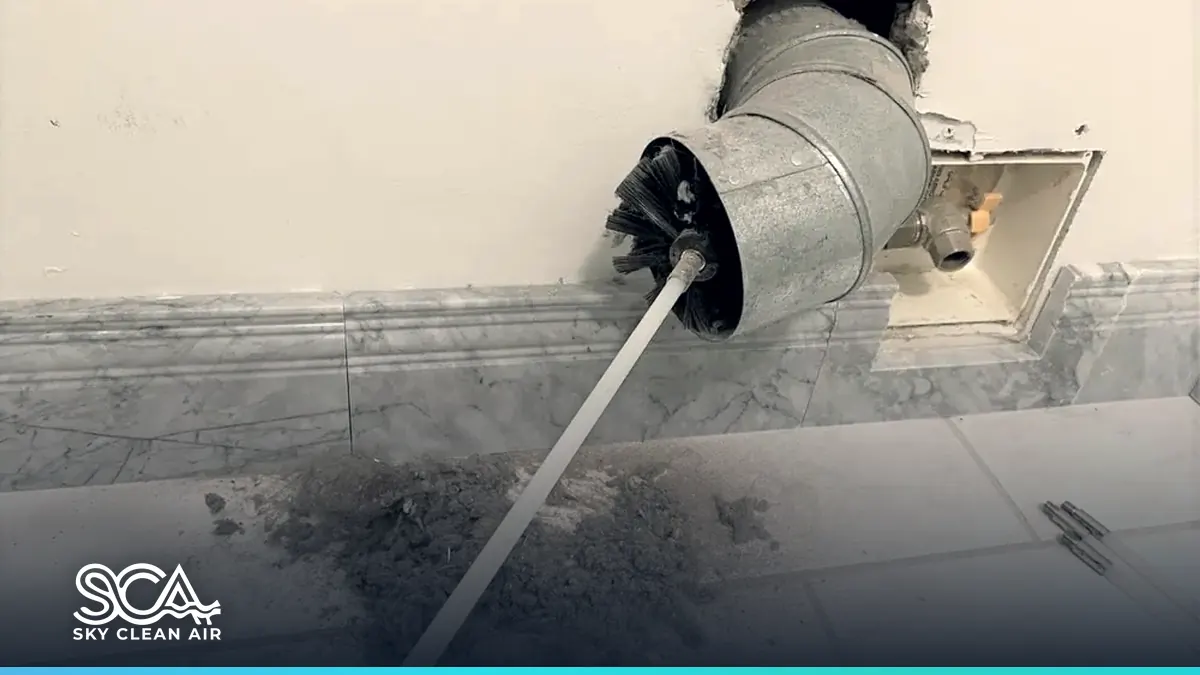
- Remove the old duct and clean out any lint left in the wall cavity.
- Seal the old exterior opening with a patch that matches the siding or stucco, and seal it against water.
- Cut the new opening for a 4-inch duct, avoiding studs, wiring and plumbing.
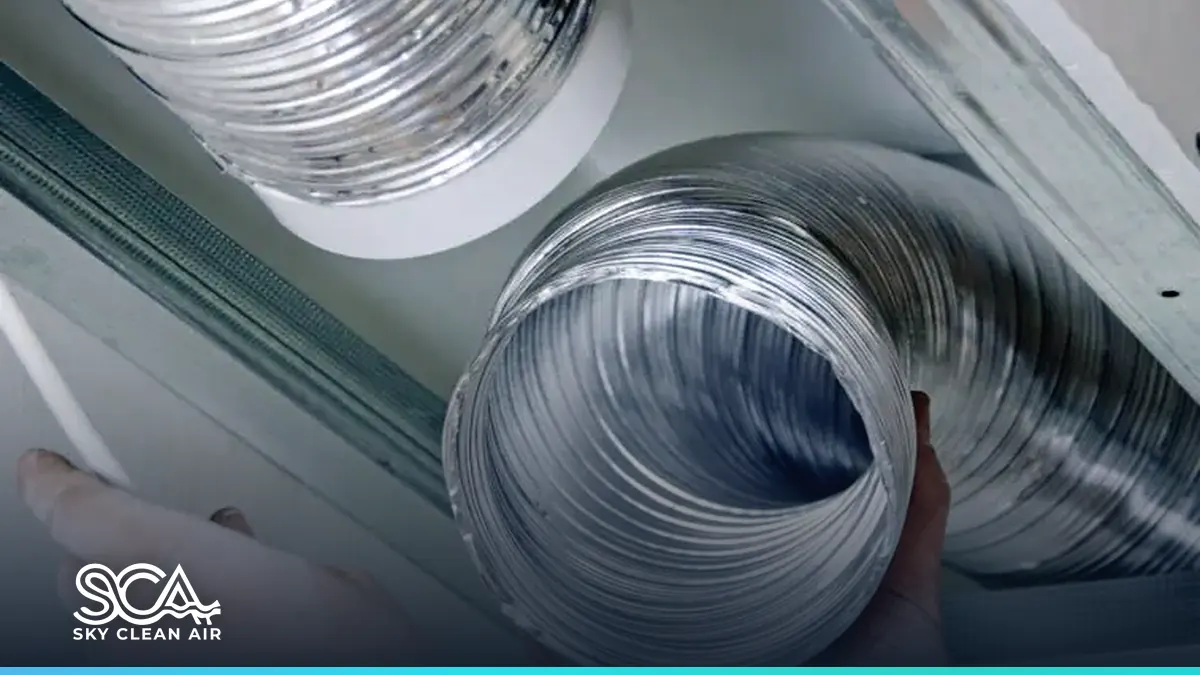
- Install rigid metal duct along the new path, with the male ends pointing toward the outside.
- Tape every joint with aluminum foil tape. Don't use screws, which catch lint.
- Support the duct every few feet so it doesn't sag.
- Install the exterior hood with a working damper, and caulk around it.
- Connect the dryer with a short semi-rigid connector and test the airflow outside.
What mistakes should you avoid?
- Using plastic or foil accordion duct for the run
- Running the vent longer than the manufacturer allows
- Ending the vent under a deck, in a crawl space or near a window or air intake
- Hiding duct connections inside a wall where they can't be inspected
- Covering the exterior hood with fine mesh screen
Gas dryers also exhaust combustion gases, so a poorly vented gas dryer is more than a lint problem. If anyone in the home gets headaches, dizziness or nausea that clear up when they leave, get everyone out and call 911.
Should you hire a professional to move a dryer vent?
A short, straight move to a nearby exterior wall is a reasonable DIY job for someone comfortable cutting through stucco or siding. Roof penetrations, long attic runs, second-story laundry rooms and gas dryer connections are better handed to a pro.
Our dryer vent team reroutes, repairs and installs dryer vents throughout San Diego County and Orange County. We plan the shortest practical route, use rigid metal duct, and check the airflow at the exterior hood when the job is done. If you're remodeling, bring us in before the walls close up so the vent can go where it works best.
How do you know the new vent is working?
Run the dryer on high heat and step outside. You should feel strong, warm air at the hood and see the damper open fully. Inside, a normal load should dry in one cycle, and the laundry room shouldn't feel hot or humid. If the first few loads take longer than before, something along the new run is restricting air, and it's worth checking before lint builds up.