Adding UV light technology to your HVAC system can significantly improve indoor air quality, reduce allergens, and help control mold and bacteria in your ductwork. For homeowners, understanding how to choose UV light for HVAC is crucial to ensure you get the right solution for your needs, budget, and system compatibility. This guide breaks down key considerations, types of UV systems, benefits, and practical tips to help you make an informed decision.
Before diving into the details, it’s helpful to understand how UV lights work in HVAC setups. These devices use ultraviolet-C (UVC) light to neutralize airborne pathogens and contaminants as air circulates through your heating and cooling system. When installed and maintained properly, they can be a powerful addition to your home’s air purification strategy.
If you’re interested in the relationship between air duct health and UV technology, you’ll find that integrating UV solutions can be a proactive step toward a cleaner, healthier home environment.
Understanding UV Light Options for Home HVAC Systems
When researching how to choose UV light for HVAC setups, you’ll encounter two main types of systems:
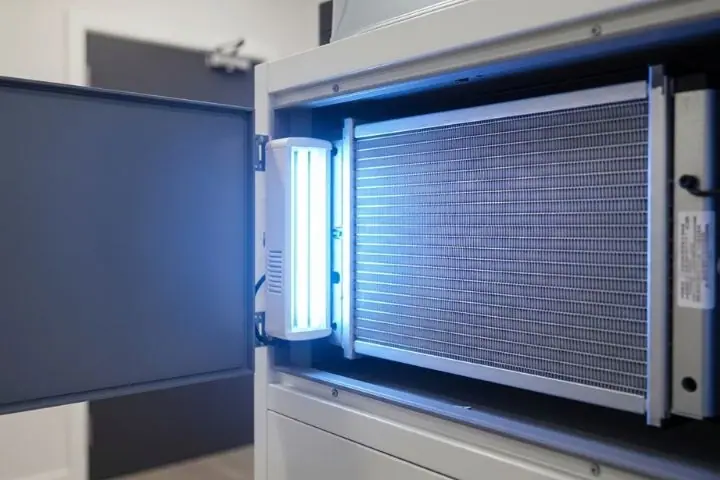
- Coil Sterilization UV Lights: These are installed near the evaporator coil and are designed to prevent mold and bacterial growth on the coil surface. They run continuously and are most effective at keeping the coil clean, which can improve system efficiency and longevity.
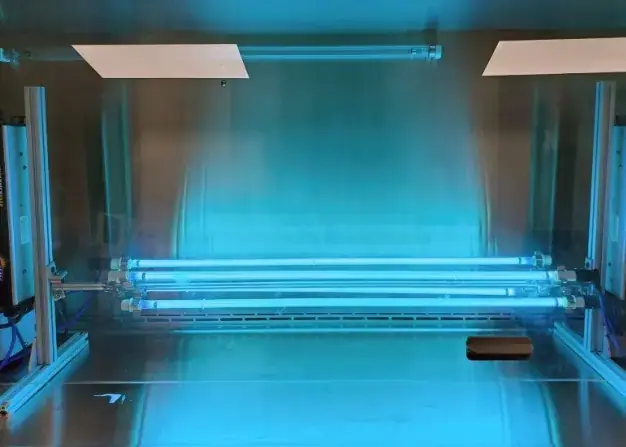
- Air Sterilization UV Lights: Sometimes called “in-duct” UV systems, these are installed in the return air duct and are intended to disinfect moving air as it passes through the HVAC system. They typically operate when the blower is running and target airborne contaminants.
Both types can be effective, but your choice depends on your home’s specific needs and the issues you’re trying to address.
Key Factors to Consider When Selecting a UV Light
To make the best decision, keep the following factors in mind:
- System Compatibility: Not all UV lights fit every HVAC system. Check the size, voltage, and installation requirements to ensure the unit will work with your equipment.
- UV Lamp Strength and Wavelength: Most residential systems use UVC lamps with a wavelength of around 254 nanometers, which is optimal for germicidal activity. Higher wattage can increase effectiveness but may also impact lamp life and energy use.
- Installation Location: Decide whether you need coil sterilization, air sterilization, or both. Placement affects performance and maintenance needs.
- Maintenance Requirements: UV lamps lose effectiveness over time and typically need replacement every 12–24 months. Choose a model with easy access for lamp changes.
- Safety Features: Look for units with protective shields, safety switches, and clear installation instructions to minimize UV exposure risk during maintenance.
- Warranty and Certification: Opt for products with solid warranties and certifications from recognized organizations (such as UL or EPA) to ensure reliability and safety.
Benefits of UV Light in HVAC Systems
Installing a UV light in your HVAC system offers several advantages:
- Improved Air Quality: UV lights help reduce airborne viruses, bacteria, and mold spores, making the air in your home cleaner and healthier.
- Odor Reduction: By neutralizing organic particles, UV systems can help eliminate musty or unpleasant odors caused by mold or bacteria buildup.
- Enhanced System Efficiency: Keeping coils free of biofilm and debris allows your HVAC system to operate more efficiently, potentially lowering energy costs.
- Lower Maintenance Costs: Cleaner coils and ducts mean fewer breakdowns and less frequent professional cleanings.
For more on the impact of UV solutions on system cleanliness, see improving hvac cleanliness with uv light.
Additionally, UV lights can play a role in reducing mold risk in ductwork, which is especially important in humid climates or homes with a history of moisture issues.
Comparing UV Light Features and Specifications
When evaluating different products, compare these common features:
| Feature | What to Look For |
|---|---|
| Lamp Life | 12–24 months (check replacement cost and ease) |
| Wattage | Higher wattage for larger systems or severe contamination |
| Installation Type | Magnetic, bracket, or duct-mounted options |
| Safety Features | Shields, interlocks, and clear labeling |
| Certifications | UL, EPA, or other reputable marks |
Always read the manufacturer’s specifications and compare them to your HVAC system’s requirements.
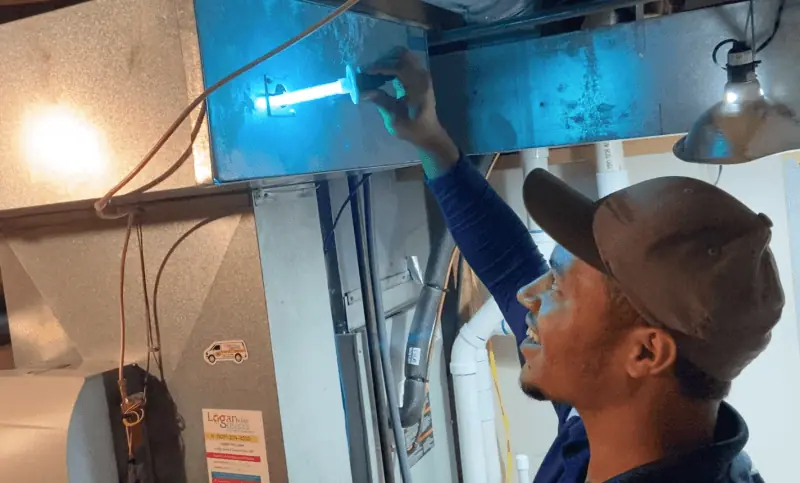
Installation and Maintenance Tips
Proper installation is essential for safety and performance. While some UV light kits are marketed as DIY-friendly, professional installation is recommended to ensure correct placement, electrical safety, and optimal results. Here are a few tips:
- Turn off all power to your HVAC system before installation or maintenance.
- Follow the manufacturer’s instructions closely, especially regarding lamp orientation and mounting location.
- Replace lamps as recommended—typically every 12–24 months—even if they still appear to be working, as their germicidal effectiveness declines over time.
- Clean the lamp and housing regularly to remove dust and debris, which can reduce UV output.
- Use personal protective equipment (PPE) when handling UV lamps to avoid skin or eye exposure.
For more detailed guidance, consult a licensed HVAC technician or refer to your system’s user manual.
When Should Homeowners Consider UV Light Solutions?
UV light systems are especially beneficial if:
- Your home has a history of mold or moisture issues in the ductwork.
- Family members suffer from allergies or respiratory conditions.
- You want to minimize the spread of airborne germs and viruses.
- Your HVAC system is prone to musty odors or visible biological growth.
For families with children or vulnerable individuals, UV technology can offer additional peace of mind. Learn more about uv light and children’s indoor air quality for further insights.
Potential Limitations and Safety Considerations
While UV lights are effective against many microorganisms, they are not a substitute for regular HVAC maintenance, filter changes, or moisture control. UV systems do not remove dust, pet dander, or chemical pollutants. Always use them as part of a broader indoor air quality strategy.
UV-C light can be harmful to skin and eyes. Never look directly at an operating lamp, and ensure all safety covers and interlocks are in place. If you have concerns about installation or maintenance, consult a professional.
For a deeper look at how UV solutions can help with moisture and mold, see uv light and duct moisture control.
Additional Resources and Expert Advice
To explore the broader benefits of UV air purification, you may find this comprehensive guide to UV light air purifiers helpful. It covers health impacts, installation tips, and system comparisons for homeowners considering this technology.
Frequently Asked Questions
Do UV lights in HVAC systems really work?
Yes, when properly installed and maintained, UV lights can reduce microbial growth on coils and help neutralize airborne pathogens. Their effectiveness depends on lamp strength, placement, and regular maintenance.
How often should I replace the UV lamp in my HVAC system?
Most manufacturers recommend replacing the lamp every 12 to 24 months, even if it still lights up. Over time, the germicidal output decreases, reducing its effectiveness.
Can I install a UV light in my HVAC system myself?
Some kits are designed for DIY installation, but professional installation is recommended for safety and optimal performance. Incorrect installation can reduce effectiveness and pose safety risks.
Will a UV light remove dust or pet dander from my air?
No, UV lights target microorganisms like bacteria, viruses, and mold spores. They do not filter out dust, pollen, or pet dander. Use a high-quality air filter alongside UV technology for best results.
Choosing the right UV light for your HVAC system can make a noticeable difference in your home’s air quality and comfort. Take time to compare options, consider your home’s unique needs, and consult with HVAC professionals to ensure you get the most effective and safe solution for your family.