What affects the price of dryer vent cleaning?
Most of the cost comes down to time, access and what the technician finds once they start.
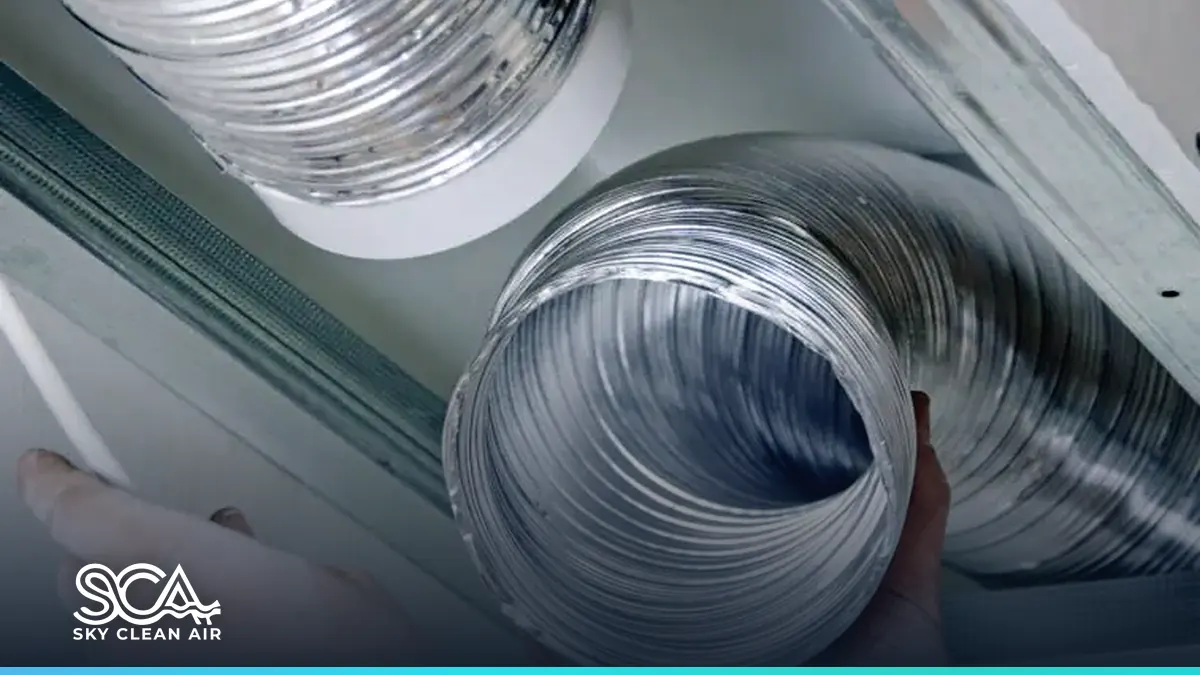
- Length of the vent: a dryer against an outside wall is quick. A laundry room in the middle of the house with a long run through the attic or between floors takes longer.
- Where it exits: wall vents are the easiest. Roof vents, common on two-story homes and many condos and townhomes, require ladders and roof work.
- Number of turns: every elbow is a spot where lint packs in and the brush has to work through.
- How clogged it is: a vent that hasn't been cleaned in years can be packed solid in sections.
- Blockages: bird or rodent nests at the exterior cap are common and take extra effort to clear.
- Repairs: crushed transition hoses, disconnected joints, broken flaps or a damaged roof cap add parts and labor.
- Multiple dryers: some homes and buildings have more than one vent to clean.
What should a dryer vent cleaning include?
Before comparing prices, make sure you're comparing the same service. A complete cleaning usually covers:
- Pulling the dryer out and disconnecting the transition hose
- Inspecting the transition, wall connection and exterior or roof cap
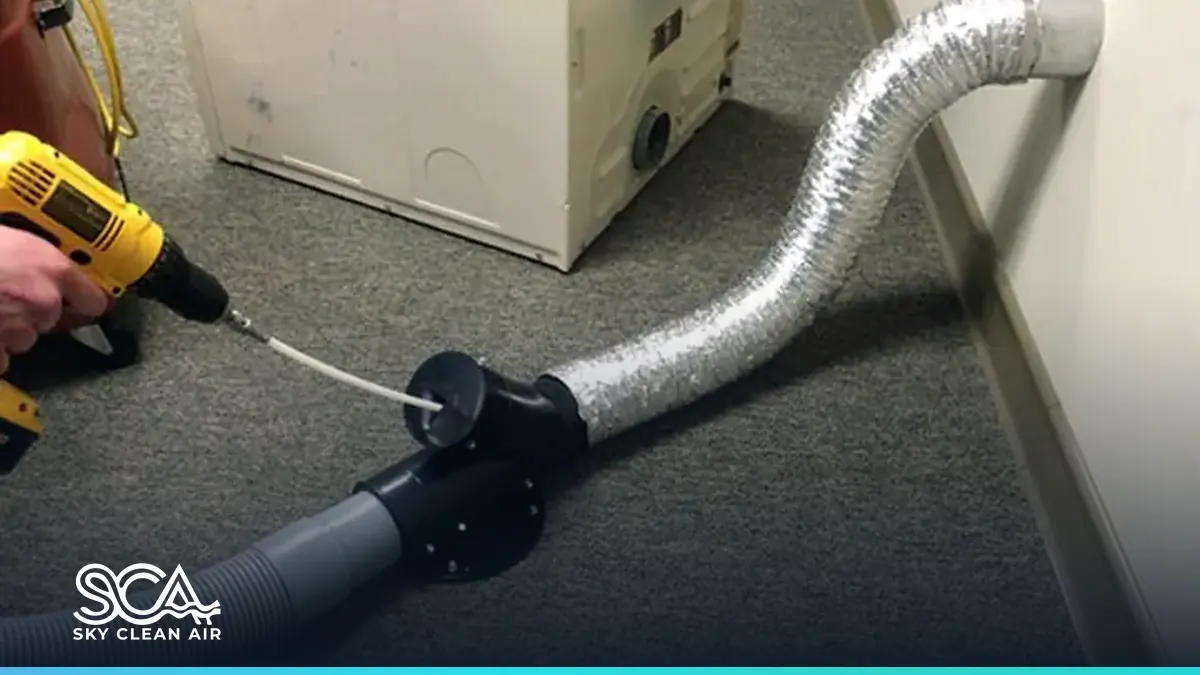
- Brushing and vacuuming the full length of the vent, not just the first few feet
- Clearing the exterior flap or roof cap so it opens freely
- Cleaning the lint trap housing and the floor behind the dryer
- Reconnecting the dryer and checking airflow at the exterior with the dryer running
A very low advertised price may only cover the lint trap area or a quick pass from inside. Ask what's included and whether roof access costs extra.
What repairs might come up?
Sometimes the cleaning turns up problems that are worth fixing while the technician is there:
- Plastic or foil transition hose: these crush easily and trap lint. Replacing them with a proper metal transition is a common fix.
- Disconnected vent in the wall or attic: lint and moist air blow into the house instead of outside.
- Broken exterior flap: lets birds, rodents and outside air in.
- Screened exterior cap: screens catch lint and clog quickly, so they shouldn't be on a dryer vent.
- Overly long or badly routed vents: rerouting to a shorter path can make the dryer work better and future cleanings easier.
A good technician will show you what they found and explain the options before doing extra work.
Is dryer vent cleaning worth the cost?
For most homes, yes. A clean vent helps the dryer work the way it was designed to:
- Clothes dry in one cycle instead of two.
- The dryer and laundry room don't get as hot.
- Less wear on the heating element, thermal fuse and blower.
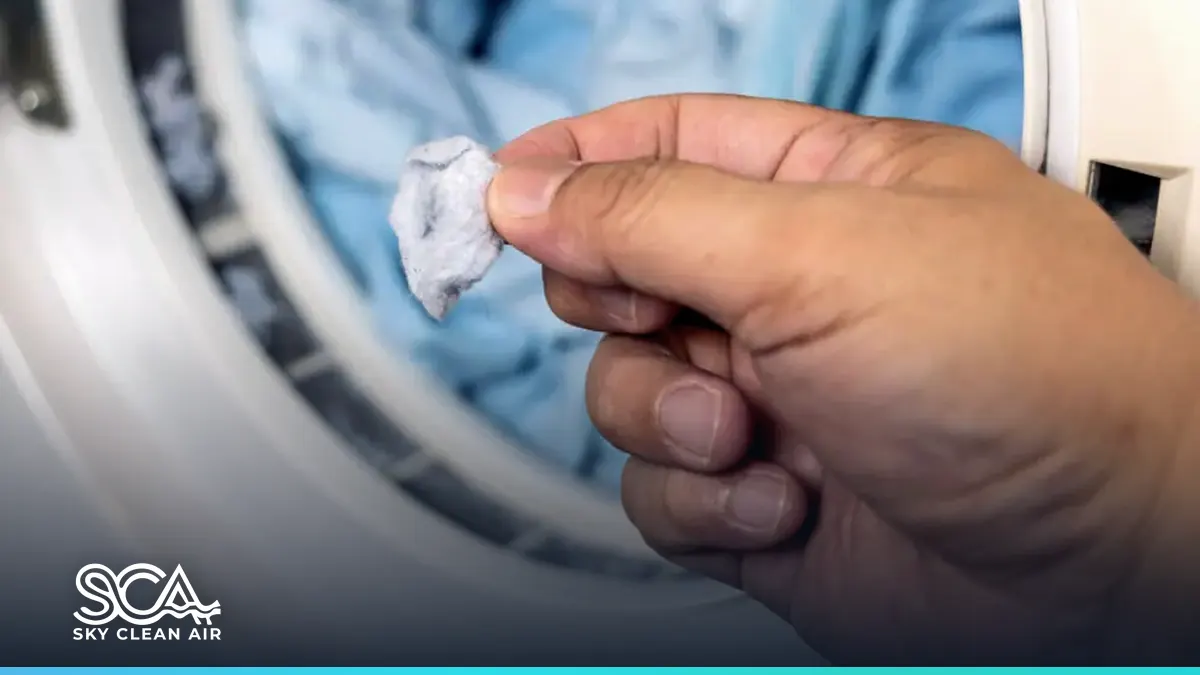
- Lower fire risk, since lint is highly flammable and builds up fastest in restricted vents.
If loads take longer than they used to, the outside flap barely moves, or you smell something hot while the dryer runs, the vent is overdue. If you smell burning, stop the dryer until it's checked.
Can you save money by doing it yourself?
Some upkeep costs nothing. Keep cleaning the lint screen every load, wash it with soap and water now and then if you use dryer sheets, and vacuum behind the dryer every so often. A brush kit can work on a short, straight wall vent. For long runs, roof exits or vents with several turns, DIY brushes often get stuck or push lint deeper. If you have a gas dryer, don't disconnect the gas line yourself.
How do I find out what my vent will cost?
Because every vent is routed differently, the most accurate price comes from looking at yours. Check our current specials, or reach out to our dryer vent cleaning team for a free estimate. We clean, repair and reroute dryer vents for homes and multi-unit buildings.