When we think about air pollution, we often picture smoggy skies and industrial factories. However, a significant portion of air pollution actually occurs indoors. Understanding how indoor pollution affects the lungs is crucial, especially for those who spend a lot of time inside their homes or offices. The quality of the air we breathe indoors can have profound effects on our lung health and overall well-being.

The Hidden Dangers of Indoor Pollution
Indoor pollution can come from various sources such as household cleaning agents, paints, pet dander, and even poor ventilation. These pollutants can accumulate and lead to poor indoor air quality, which can have serious implications for our lungs.
Common Sources of Indoor Pollution
Understanding where indoor pollutants come from can help mitigate their effects. Some common sources include:
- Household cleaning products
- Building materials
- Combustion appliances
- Tobacco smoke
- Pet dander and dust mites
Impact on Lung Health
The lungs are particularly vulnerable to the effects of indoor pollution. Continuous exposure to these pollutants can lead to respiratory conditions such as asthma, chronic obstructive pulmonary disease (COPD), and even lung cancer. For more detailed information on what causes indoor pollution, you can visit indoor air pollution causes.
How Pollutants Enter the Lungs
Indoor air pollutants are typically small particles or gases that can be inhaled deeply into the lungs. These particles can irritate the lung tissues and lead to inflammation, reducing the lungs’ ability to function properly.
Short-Term Effects
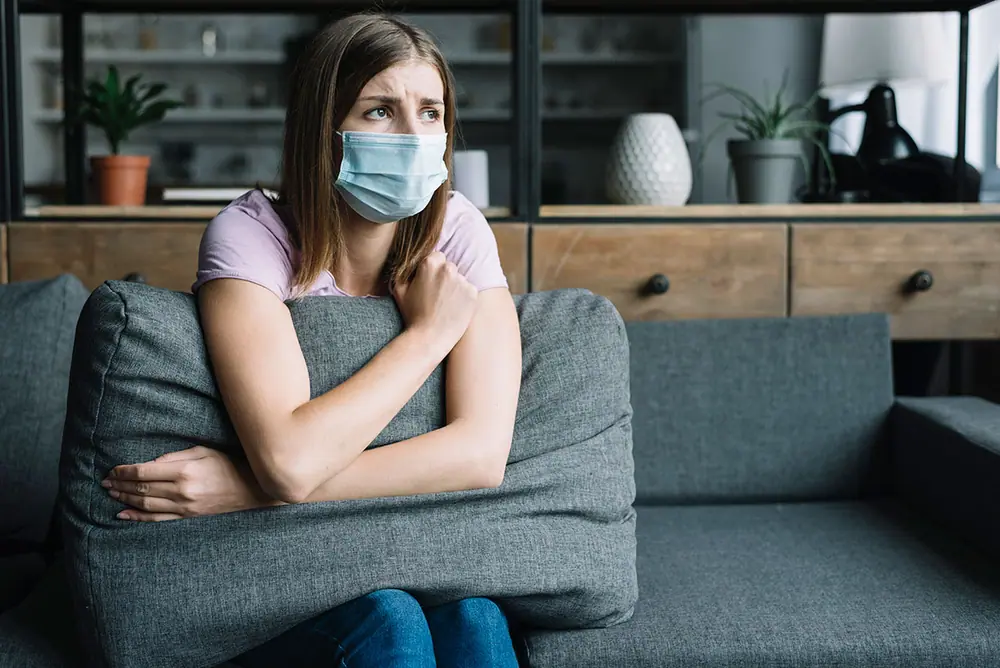
In the short term, exposure to indoor pollution can cause symptoms such as coughing, sneezing, and shortness of breath. These symptoms can be particularly severe for individuals with pre-existing respiratory conditions.
Long-Term Effects
Prolonged exposure can have more serious consequences, including the development of chronic respiratory diseases. Studies have shown a direct link between long-term exposure to indoor pollutants and the development of serious lung conditions.
Protecting Your Lungs from Indoor Pollution
There are various strategies that individuals can employ to protect their lungs from the harmful effects of indoor pollution.
Improving Ventilation
Ensuring your home or workplace is well-ventilated can significantly reduce the concentration of indoor pollutants. Using exhaust fans and opening windows can help improve air circulation.
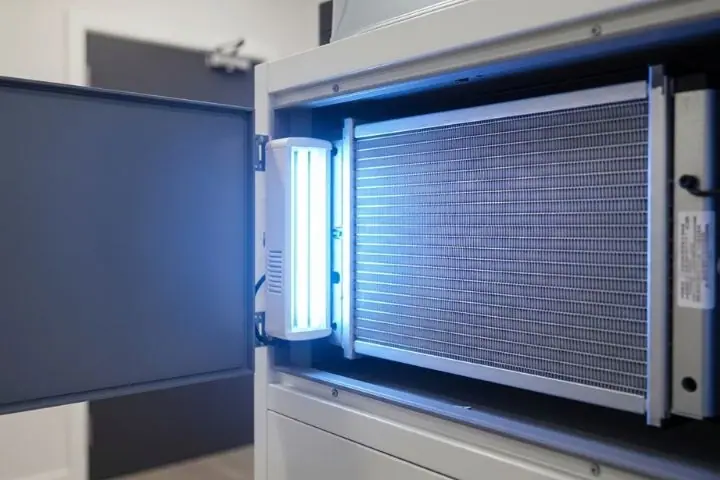
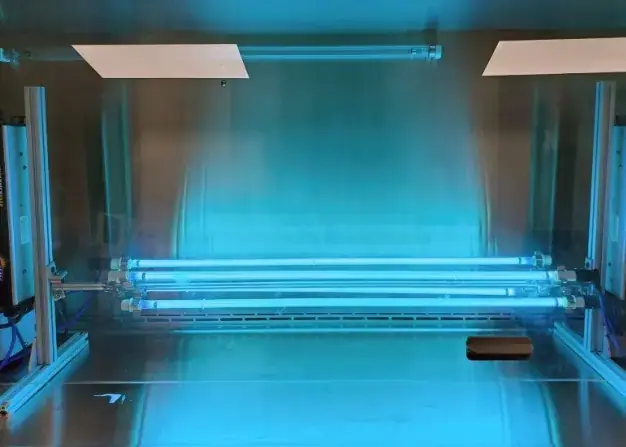
Using Air Purifiers
Air purifiers can be effective in removing pollutants from the air, especially in areas with poor ventilation. When choosing an air purifier, look for one with a HEPA filter, as they are designed to capture small particles effectively.
Regular Maintenance
Regularly cleaning and maintaining household appliances and heating systems can prevent the buildup of harmful pollutants. For homes with central heating and cooling systems, scheduling a duct cleaning can be beneficial. Learn more about this at duct service.
Recognizing Symptoms of Poor Indoor Air Quality
Being aware of the symptoms of poor indoor air quality can help in early diagnosis and mitigation of the effects on lung health.
Respiratory Symptoms
Persistent respiratory symptoms such as coughing, wheezing, and shortness of breath can be indicative of poor indoor air quality.
Allergic Reactions
Indoor pollutants can trigger allergic reactions, leading to symptoms such as runny nose, itchy eyes, and skin rashes.
The Role of Humidity
Humidity levels in your home can also affect indoor air quality. High humidity can lead to mold growth, which is a significant indoor pollutant.
Managing Humidity
Using dehumidifiers and ensuring proper ventilation can help manage humidity levels and reduce the risk of mold growth.
Conclusion
Understanding the effects of indoor pollution on the lungs is essential for maintaining good health. By being aware of the sources and effects of indoor pollutants, individuals can take proactive steps to protect their lung health and improve the quality of the air they breathe indoors.

FAQ
What are the common indoor pollutants?
Common indoor pollutants include dust, mold, tobacco smoke, chemicals from cleaning products, and emissions from cooking appliances.
How can I improve indoor air quality?
Improving ventilation, using air purifiers, and maintaining appliances can significantly enhance indoor air quality.
Are air purifiers effective against all pollutants?
Air purifiers are effective in removing particulate matter but may not remove gaseous pollutants. It’s essential to choose an air purifier with a HEPA filter for best results.
This article contains affiliate links. We may earn a commission at no extra cost to you.