Keeping HVAC systems clean is essential for healthy indoor air and efficient operation. One of the most effective methods for maintaining cleanliness in air conditioning and heating units is coil sterilization with UV light. This approach targets the evaporator and condenser coils, which are prone to collecting dust, mold, and bacteria over time. By using ultraviolet technology, property owners can reduce contaminants, improve air quality, and extend the life of their HVAC equipment.
As HVAC systems circulate air, their coils often become breeding grounds for mold and microbial buildup. These contaminants can decrease system efficiency and contribute to poor indoor air quality. Integrating UV light solutions directly onto the coils helps neutralize these threats, offering a proactive way to keep systems running smoothly. For those interested in a deeper dive into the topic, improving hvac cleanliness with uv light provides additional insights on the benefits and best practices for UV integration.
How UV Light Technology Works for Coil Cleaning
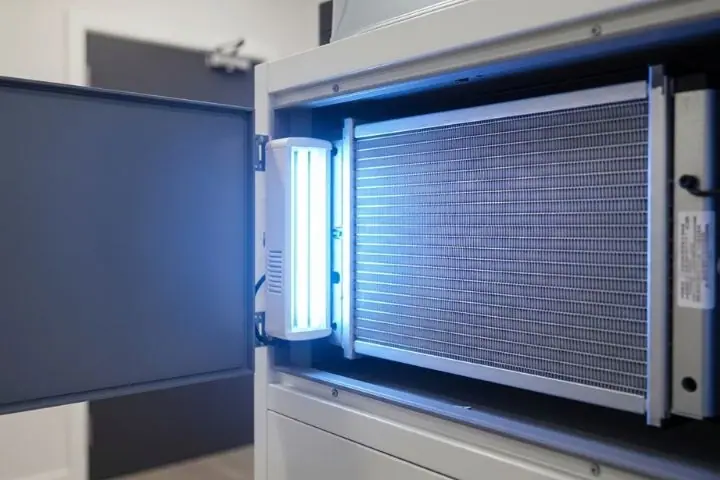
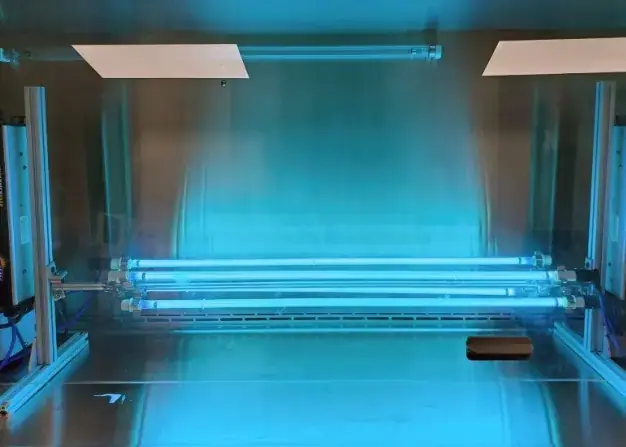
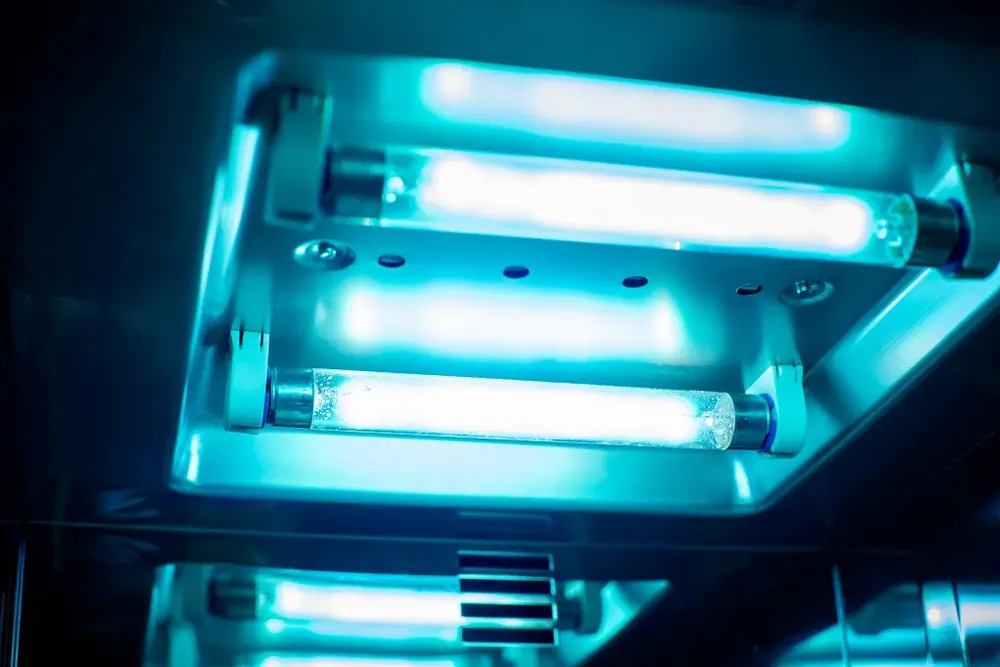
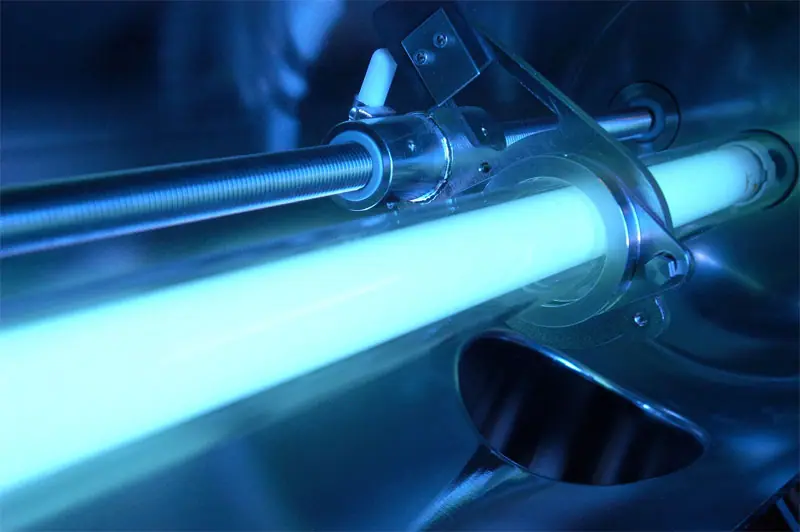
Ultraviolet (UV) light, specifically in the UV-C spectrum, has been used for decades to disinfect air, water, and surfaces. In HVAC applications, UV lamps are installed near the coils where microbial growth is most likely to occur. The coil sterilization with UV light process works by emitting UV-C rays that disrupt the DNA of microorganisms, rendering them inactive and unable to reproduce.
This continuous exposure prevents the buildup of mold, bacteria, and viruses on the coil surfaces. As a result, the system remains cleaner, airflow is less restricted, and the risk of allergens circulating through the building is minimized. UV-C lamps are designed to operate safely within the HVAC enclosure, ensuring that the light is contained and does not pose a risk to occupants.
Benefits of UV-Based Coil Sterilization
Choosing UV technology for coil maintenance provides several key advantages:
- Improved Indoor Air Quality: By neutralizing mold and bacteria at the source, UV light helps reduce the spread of airborne contaminants.
- Enhanced System Efficiency: Clean coils transfer heat more effectively, leading to lower energy consumption and reduced utility costs.
- Extended Equipment Lifespan: Preventing microbial buildup reduces strain on the system, minimizing wear and tear on components.
- Lower Maintenance Needs: With fewer contaminants, coils require less frequent manual cleaning, saving time and labor costs.
For those managing commercial buildings or healthcare facilities, these benefits can be especially significant, as air quality and system reliability are top priorities.
Installation and Maintenance of UV Coil Systems
Implementing coil sterilization with UV light in an HVAC system involves professional installation of UV-C lamps near the coils. These lamps are typically mounted inside the air handler or ductwork, positioned to maximize exposure to the coil surfaces. The installation process includes:
- Assessing the size and type of HVAC system to determine the appropriate UV lamp configuration.
- Mounting UV fixtures securely to ensure consistent coverage of the coils.
- Wiring the lamps to a dedicated power source, often with safety interlocks to prevent accidental exposure during maintenance.
- Testing the system to verify proper operation and UV intensity.
Routine maintenance is straightforward. UV lamps generally require replacement every 12 to 24 months, depending on manufacturer recommendations and system usage. Technicians should also inspect the lamps and fixtures during regular HVAC service visits to ensure optimal performance.
Comparing UV Coil Sterilization to Traditional Cleaning Methods
Manual coil cleaning typically involves chemical sprays, brushes, or pressure washing. While these methods can remove surface debris, they may not fully eliminate microbial growth deep within the coil fins. UV light, on the other hand, provides continuous, chemical-free disinfection that reaches areas traditional cleaning might miss.
Additionally, UV-based solutions help maintain coil cleanliness between scheduled maintenance visits, reducing the frequency and intensity of manual cleaning required. This not only saves on labor costs but also minimizes the risk of coil damage from harsh chemicals or aggressive cleaning techniques.
Health and Safety Considerations
While UV-C light is highly effective at neutralizing microbes, it must be used responsibly. Direct exposure to UV-C rays can be harmful to skin and eyes. For this reason, UV lamps are installed inside HVAC units, away from occupied spaces, and often include safety switches that turn off the lamp when access panels are opened.
When installed and maintained by qualified professionals, UV coil sterilization systems are safe for both building occupants and service personnel. It’s important to follow all manufacturer guidelines and schedule regular inspections to ensure continued safety and performance.
Additional Resources and Related Topics
For readers interested in exploring related topics, consider learning about uv light and duct moisture control to further enhance HVAC hygiene, or discover reducing mold risk in ductwork for comprehensive mold prevention strategies. Families may also benefit from understanding uv light and children’s indoor air quality to create healthier environments for kids.
For a broader perspective on the impact of UV technology, air quality improvements after uv installation shares real-world results from facilities that have adopted these solutions.
If you’re considering adding UV light to your HVAC system, it’s also helpful to review the benefits of UV light air purifiers for a comprehensive overview of how this technology can improve indoor environments.
Frequently Asked Questions
Does UV Light Really Kill Mold and Bacteria on HVAC Coils?
Yes, UV-C light is scientifically proven to inactivate mold, bacteria, and viruses by disrupting their DNA. When properly installed, UV lamps continuously sterilize coil surfaces, preventing microbial growth and helping maintain a cleaner HVAC system.
How Often Do UV Lamps Need to Be Replaced?
Most UV-C lamps used for coil sterilization should be replaced every 12 to 24 months. The exact interval depends on the lamp manufacturer and system usage. Regular inspections during HVAC maintenance visits help ensure the lamps remain effective.
Is UV Coil Sterilization Safe for My Family or Employees?
When installed inside the HVAC system by professionals, UV lamps are safely contained and pose no risk to building occupants. Safety interlocks and proper placement prevent accidental exposure, making this method a safe option for both residential and commercial settings.